


A Mix of Activities for a Longer Life: The Science Behind Diverse Exercise Routines
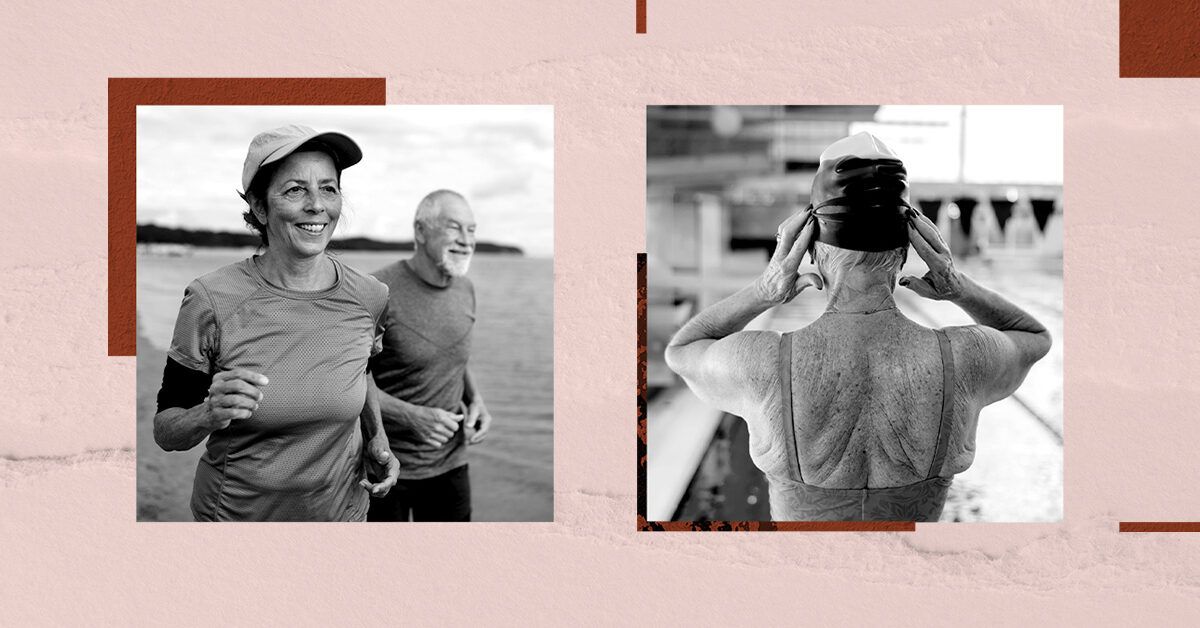
On a sun-drenched morning in a bustling community park, groups of older adults gather for an invigorating range of activities. Some partake in gentle yoga under the shade of sprawling oaks, while others engage in spirited tennis matches or power-walk along winding paths. Their laughter fills the air, blending seamlessly with the sounds of joggers and cyclists. This vibrant scene is more than just a picturesque snapshot of life; it encapsulates a groundbreaking revelation in longevity research: engaging in a variety of physical activities can dramatically enhance life expectancy.
The Research Behind Variety in Movement
A recent study published in BMJ Medicine sought to clarify how different types of physical activity affect lifespan. Over the course of more than 30 years, researchers tracked participants’ physical engagement and its correlation with health outcomes. Led by Yang Hu, ScD, a research scientist at the Harvard T.H. Chan School of Public Health, the team aimed to bridge an existing gap in understanding which activities contribute most significantly to longevity.
“Unlike genetic makeup, which is immutable, physical activity is a lifestyle choice that can profoundly influence our health,” explained Hu. “We aimed to identify which forms of exercise might be most beneficial, as many chronic diseases could be largely preventable through better lifestyle choices.”
Participants tracked their involvement in a range of activities, categorized into:
- Cardio Activities: Walking, jogging, running, cycling, rowing, tennis, swimming
- Lower-Intensity Exercises: Yoga, stretching, toning
- Weight or Resistance Training
- Vigorous Activities: Mowing the lawn, digging, chopping
- Moderate-Intensity Outdoor Work: Gardening
At the study’s conclusion, it was revealed that participants who engaged in a broader variety of physical activities experienced a significantly lower mortality risk. In fact, those with the most diverse activity regimens enjoyed a 19% lower chance of death from all causes, as well as a 13-14% reduced risk of death from major diseases such as heart disease and cancer.
“This is a transformative finding,” Hu added. “While consistent physical activity is crucial, the diversity in activities offers additional health benefits, enhancing our ability to stave off premature death.”
Expert Opinions on Varied Exercise
Dr. Zeeshan Khan, chief of geriatrics at Hackensack Meridian Jersey Shore University Medical Center, expressed enthusiasm for these findings, noting their implications for patient care. “As a geriatrician, it’s validating to see such robust long-term data. Our advice to patients has always included urging them to remain active, but now we can emphasize that variety in their routines is equally important.”
Dr. Bert Mandelbaum, a sports medicine specialist with extensive expertise in orthopedic surgery, echoed this sentiment. “Humans have an extraordinary capacity for physical adaptation,” he remarked. “Participating in multiple types of exercise, much like a decathlete, activates different muscle groups and systems, promoting healthier aging.”
The study highlights several key insights for anyone seeking to enhance their longevity through physical activity:
- Engagement Across Age Groups: Individuals of all age ranges stand to benefit from a combination of exercises.
- Varied Intensity Levels: A mix of high and low-intensity workouts can lead to better health outcomes.
- Complementary Health Benefits: Different forms of exercise target various aspects of physical health, from cardiovascular fitness to strength and flexibility.
Despite these promising results, both Hu and Khan noted the need for further research specifically focused on older adults to determine the optimal mix of exercises. “Understanding the best combination is the next frontier,” said Khan. “Future studies could offer tailored exercise prescriptions that integrate aerobic, strength, and flexibility elements to maximize health benefits.”
Moving Forward: The Future of Longevity Research
As the scientific community digs deeper into this fascinating intersection of exercise and longevity, the next logical step involves employing advanced analytics. Dr. Mandelbaum proposed the use of machine learning to decipher various exercise components’ effects on longevity. “Such technology could analyze intricate factors like VO2 max, genetic predispositions, and recovery needs to create bespoke fitness plans,” he envisioned.
Ultimately, the urgency of these findings resonates far beyond the academic realm. In a society increasingly characterized by sedentary lifestyles, the takeaway is clear: adopting a diversified approach to physical activity can serve as a potential cornerstone for extending healthspan in the aging population. As the sun sets on the vibrant community park, the diverse groups of older adults continue their activities, embodying the essence of longevity—active, engaged, and thriving.
Source: www.medicalnewstoday.com

