


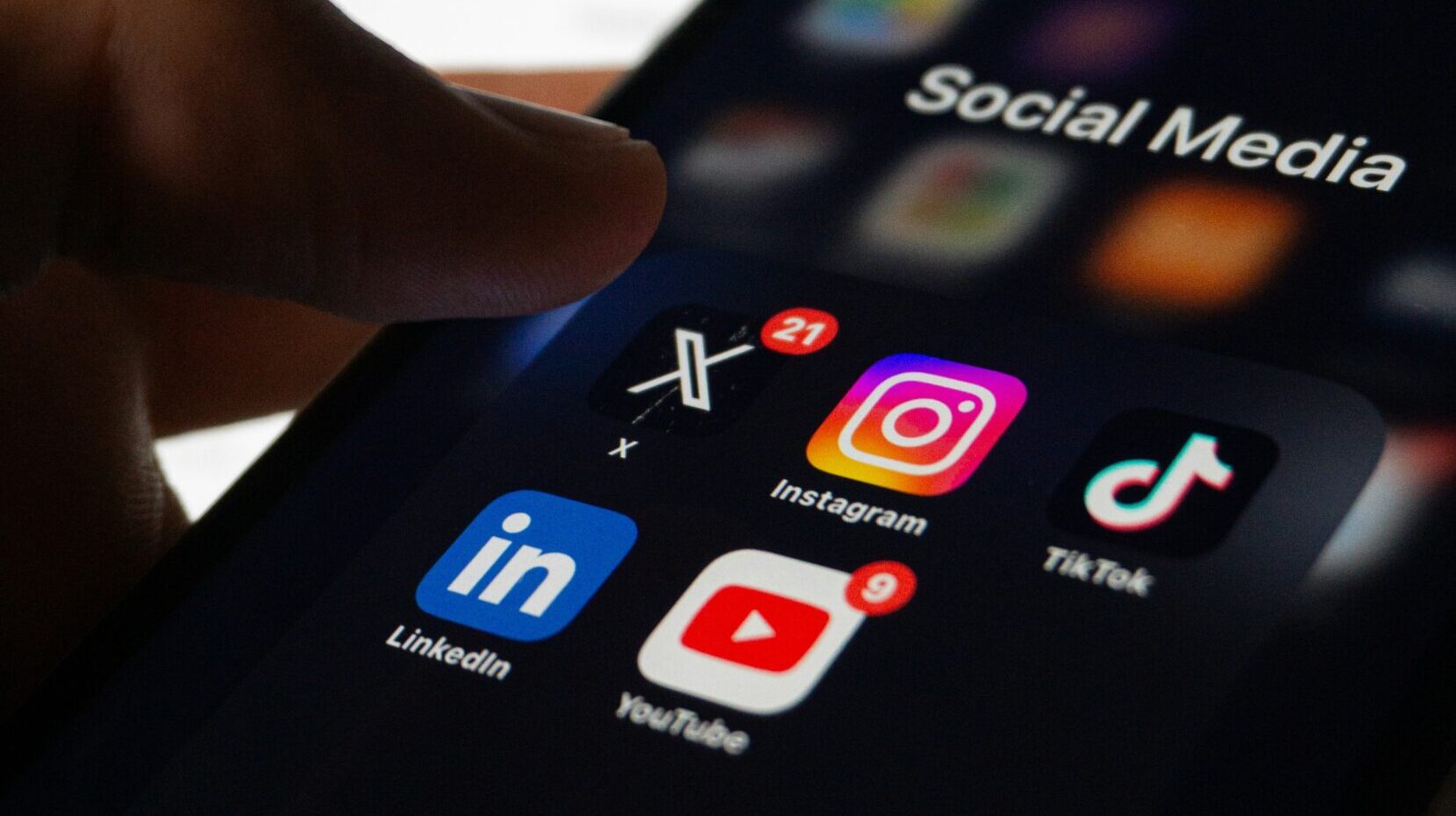
Social Media and Youth: A Global Reckoning
In the early hours of a chilly Paris morning, a group of teenagers huddled together in a café, their faces glowing with the blue light of their smartphones. As laughter mingled with the sound of clinking cups, their conversations shifted from casual banter to passionate debates on the latest TikTok trends. Little did they know, their online world was at the center of a fierce debate spanning continents—one not only about their freedom to connect but also their mental well-being.
The Global Movement for Change
Countries including France and the United Kingdom are closely examining their social media policies, inspired by Australia, which recently became the first nation to restrict access to major platforms for individuals under 16. This landmark decision has ignited discussions about the implications of social media on youth mental health—a concern shared globally.
Supporters of the move, including prominent psychologists, argue that urgent action is needed as mental health among young people continues to deteriorate. They cite alarming trends: a rise in anxiety, depression, and feelings of isolation attributed to excessive screen time. Jonathan Haidt, an American psychologist and author of The Anxious Generation, contends that “excessive screen time rewires children’s brains,” leading to what he describes as an epidemic of mental illness. His views have found a sympathetic ear among UK officials, who are contemplating similar restrictions.
Critics Raise Caution
Yet, this perspective is not without its detractors. Critics argue that the evidence on social media’s impact is far from conclusive. Canadian psychologist Candice Odgers characterizes Haidt’s assertions as a “scary story” not firmly grounded in scientific data. “While there are risks involved, the situation is much more nuanced,” she asserts, emphasizing the importance of a balanced approach to the subject.
- Australian restrictions banning users under 16 from major platforms.
- Collaboration with tech companies to enforce age restrictions effectively.
- Ongoing international discussions on nuanced regulation versus outright bans.
The Evidence: A Complex Tapestry
Recent studies underscore the complexity of social media’s influence. Michael Noetel, a researcher at the University of Queensland, emphasizes that “small effects across billions of users add up,” suggesting significant evidence that social media might harm adolescents. However, his advocacy for a ban comes with a caveat: he warns that critics like Haidt may overstretch the narrative surrounding social media’s dangers.
France’s public health watchdog, ANSES, has also weighed in, concluding that while social media has various adverse effects on youth—particularly among girls—it is not the singular cause of declining mental health. Their findings illustrate a vicious cycle: “Excessive screen time is linked to emotional problems, which in turn drive more screen use,” explains Noetel.
The Double-Edged Sword of Social Media Use
Research highlights a paradox; moderate social media use seems to correlate with better mental health outcomes. Ben Singh from the University of Adelaide tracked over 100,000 young Australians for three years, discovering that adolescents who engaged with social media in moderation reported the highest levels of well-being. Conversely, excessive use and total deprivation both posed significant risks; girls seemed particularly vulnerable to the former, while boys were more negatively impacted by complete limitations.
“A blanket ban is not a silver bullet,” cautions French psychiatrist Serge Tisseron. He criticizes the reactionary nature of the discussions and adds, “Tech-savvy teens will find ways around restrictions, often leaving parents and guardians off the hook.” Tisseron suggests that policymakers should focus more on education and regulation rather than punitive measures.
Looking Ahead: Observational Insights from Australia
The Australian initiative serves as both a challenge and an opportunity for global scrutiny. Amy Orben, a researcher at Cambridge University, notes, “Within a year, we should have a clearer understanding of how effective the Australian social media ban has been.” The real test will involve evaluating whether such restrictions lead to expected improvements or unintended consequences on youth’s mental health.
Initially, Australia’s online safety watchdog reported a significant impact: over 4.7 million accounts had already been banned for users failing to meet the age requirement. However, the long-term effectiveness of such measures remains to be seen.
Future Policy Considerations
International discussions are ongoing about the path forward for youth engagement with social media. Experts urge a comprehensive approach to tackle the underlying issues of mental health rather than merely restricting access. Key considerations include:
- Promoting digital literacy among parents and youth.
- Encouraging open discussions about the emotional and social impacts of social media.
- Conducting further research to inform balanced legislative decisions.
The dialogue between freedom and safety continues as countries weigh the best path forward. For now, in cafés and homes around the globe, a moment’s laughter shared over a smartphone conceals a complex web of societal issue, advocacy, and the challenge of securing a safe digital future for generations to come.
Source: english.khabarhub.com

