


Apolipoprotein B: The Next Frontier in Cardiovascular Risk Assessment
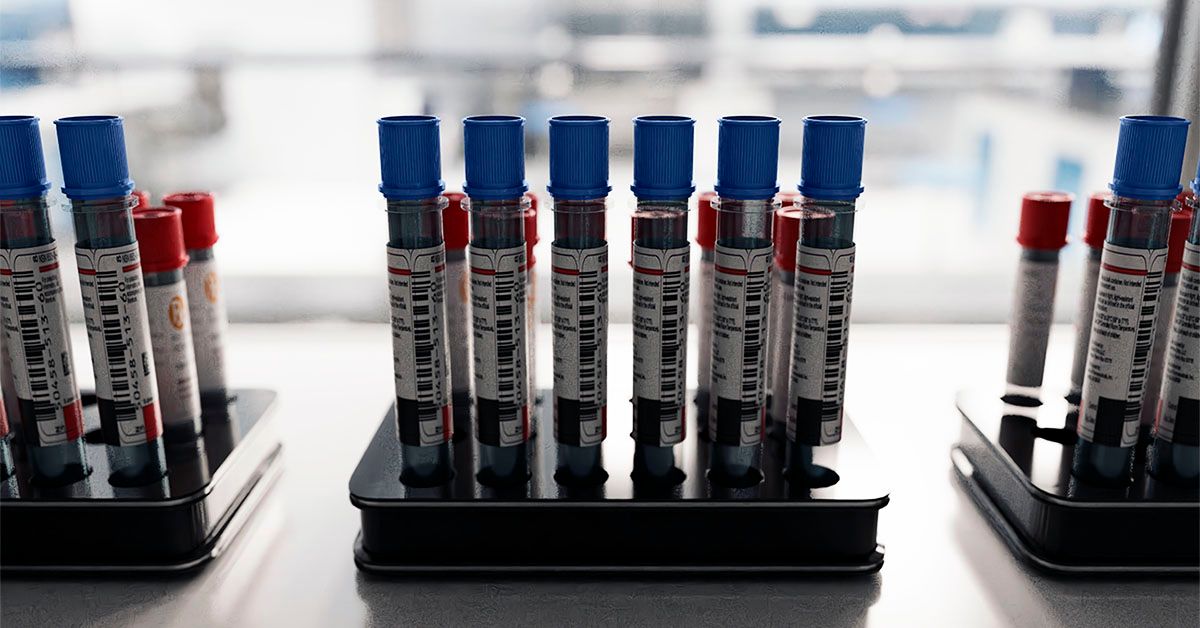
In the dim light of a bustling hospital lab, Dr. Jane Lewis, a cardiologist with over two decades of experience, stood surrounded by a sea of test tubes. Each one contained a story—fragments of lives entwined with cholesterol, heart disease, and the shadows of impending cardiovascular events. As she bent over her microscope, contemplating the fine line between health and illness, she recalled her own father’s heart attack, a grim reminder of why her work mattered. Traditional tests had offered reassurance, yet his health deteriorated rapidly. Now, new research suggests that the very metrics guiding treatment could be fundamentally flawed.
The Limitations of Standard Cholesterol Testing
For years, medicine has relied heavily on a lipid panel to assess cardiovascular risk. Clinicians typically measure total cholesterol, low-density lipoprotein (LDL), and non-high-density lipoprotein (non-HDL). These figures inform critical decisions about statin therapy and other interventions.
However, critics argue that this approach is akin to peering through a foggy window; while one may make out shadows, the clarity needed to see the full picture is lacking. A recent study published in the Journal of the American Medical Association (JAMA) has challenged this long-held belief, advocating for a more illuminating measurement: apolipoprotein B (apoB).
ApoB: The New Gold Standard?
ApoB is the primary protein component of “bad” cholesterol, and researchers now assert it provides a more comprehensive assessment of cardiovascular risk than traditional markers. According to Dr. Ciaran Kohli-Lynch, the study’s lead author and an assistant professor at Northwestern University Feinberg School of Medicine, “ApoB counts the total number of harmful particles in the blood, reflecting risk more accurately than LDL or non-HDL.” This could mean that many individuals, once cleared of immediate concern, are, in fact, ticking time bombs.
- ApoB testing offers a precise count of harmful particles.
- It guides treatment intensification that may prevent heart attacks and strokes.
- Research shows apoB testing is cost-effective and can improve population health.
In simulations involving 250,000 adults eligible for cholesterol-lowering therapy but without existing cardiovascular disease, the study compared treatment strategies based on LDL, non-HDL, and apoB levels. The results were telling. The apoB-guided approach not only prevented more cardiovascular events but did so at a cost deemed acceptable for health systems.
Resistance and Awareness: Barriers to Change
Despite the compelling evidence, the adoption of apoB testing remains stymied. Kohli-Lynch explains that “There are a couple of reasons why apoB has not yet been widely implemented in routine care. LDL cholesterol has been the standard measure for decades, and changing well-established clinical practice can take time.” Indeed, physicians familiar with LDL may hesitate to adopt a new standard, especially when apoB testing typically necessitates an additional blood draw. The cost and inconvenience further complicate routine usage, as not all insurers currently cover this more comprehensive test.
Dr. Amanda Schmidt, a public health expert who has followed the evolution of cholesterol testing, asserts, “The lack of awareness about the benefits of apoB among healthcare providers is staggering. Many still cling to outdated practices, despite clear evidence suggesting a better path forward.” This sentiment echoes across the medical community, as other studies have highlighted the long lag between evidence generation and clinical practice change.
Shifting Guidelines and Future Directions
Current guidelines acknowledge the superiority of apoB in assessing risk, though they stop short of endorsing it as the primary treatment target. Yet, as more evidence accumulates, health authorities are poised to reevaluate these recommendations. Kohli-Lynch emphasizes, “We hope our study contributes Important evidence to inform future guideline updates and the wider adoption of apoB-guided care.” The landscape is shifting, but doctors must not let tradition cloud their judgment.
This research comes at a critical juncture: as clinical guidelines evolve to recommend earlier and more aggressive treatment strategies for cholesterol management, the need for precise risk assessment intensifies. By integrating apoB testing into practice, providers can identify high-risk patients more effectively, potentially saving lives and reducing unnecessary healthcare costs.
A Call to Action for Clinicians
The main message Kohli-Lynch hopes to impart to healthcare professionals is straightforward: “ApoB is a useful tool to better target intensification of cholesterol-lowering medication.” The path forward may demand persistence and education, yet the potential for improved outcomes is too significant to ignore.
As Dr. Lewis stepped back from the microscope, her mind was abuzz with the implications of these findings. The life of her father echoed in her thoughts—not merely a statistic but a personal narrative intertwined with a healthcare system struggling to keep pace with scientific advancements. In her heart, she knew that embracing apoB could become not just a shift in measurement but a transformation in how society views cardiovascular health.
Source: www.medicalnewstoday.com

