


Mental Health Strategies in Schools: Empowering the Next Generation
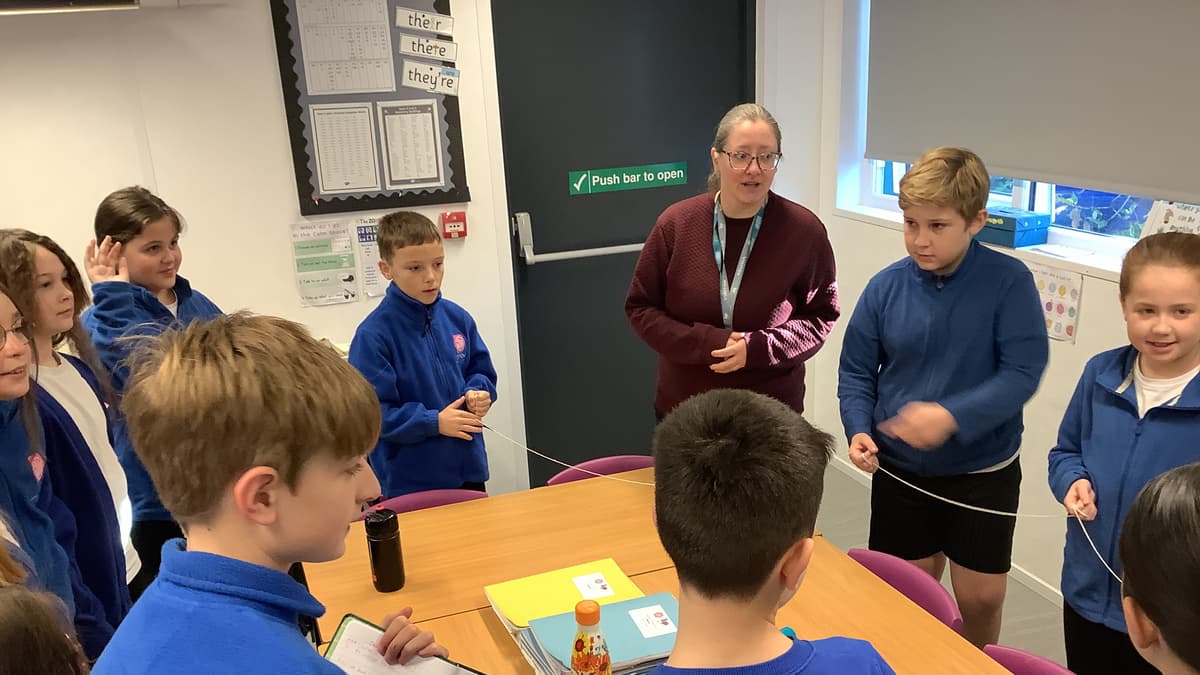
At Eastwood Primary School in the heart of London, laughter and lively chatter filled the air as a group of ten-year-olds participated in a groundbreaking mental health workshop. With colorful posters adorning the classroom walls and soft music playing in the background, these pupils embarked on their journey to explore the foundations of mentally healthy living. The first session focused on essential skills like self-regulation, self-soothing, and recognizing when to seek help—an initiative designed to equip young minds with tools they will carry into adulthood.
The Importance of Early Mental Health Education
As the world grapples with escalating mental health issues among youth, educators and psychologists argue that proactive approaches are more critical than ever. According to a 2022 study by the Institute for Child Mental Health, one in every five children between the ages of 5 to 16 experiences a mental health issue, yet nearly 70% of these children do not receive appropriate interventions. “Teaching children about mental health is not just beneficial; it is essential,” notes Dr. Emily Roberts, an expert in child psychology at the University of London. “The earlier we equip them with coping strategies, the more resilient they will become.”
Daily 10 and Incredible 5: Tools for Daily Life
During the workshop, pupils were introduced to the “Daily 10” and “Incredible 5” strategies, simple yet effective tools intended to foster mental well-being. The “Daily 10” encourages children to engage in ten minutes of mental wellness activities each day, while the “Incredible 5” focuses on five key principles of mental health awareness: connection, curiosity, creativity, compassion, and celebration.
- Connection: Building relationships with peers fosters a support network.
- Curiosity: Encouraging questions promotes a growth mindset.
- Creativity: Engaging in artistic endeavors enhances emotional expression.
- Compassion: Practicing empathy strengthens community bonds.
- Celebration: Acknowledging achievements, big or small, builds self-esteem.
“These strategies may seem simple, but their impact can be profound,” explains Laura Henson, a school counselor who has been implementing these techniques across various schools. “When children learn to manage their emotions and recognize when they need support, they are more likely to thrive in their education and personal lives.”
Transformational Workshops: A Growing Trend
The positive atmosphere at Eastwood Primary reflects a significant trend in educational reform focusing on mental health literacy. Teachers and administrators across the UK are increasingly recognizing the importance of fostering an environment where students can freely discuss their feelings and mental well-being. A 2023 survey conducted by the National Education Association found that nearly 85% of educators believe mental health education should be as fundamental as traditional subjects like math and science.
Implementing Mental Health Curricula
The session at Eastwood Primary is part of a broader curriculum that increasingly integrates mental health awareness into daily lessons. Schools are now encouraged to incorporate these teachings into their overall pedagogy. According to a 2021 research paper published in the Journal of Educational Psychology, schools that adopted mental health curricula reported a 30% decrease in behavioral issues and a 25% increase in academic performance.
“Integrating mental health education into the curriculum allows students to apply these skills in real-time,” asserts Dr. Zoe Sinclair, a prominent researcher specializing in youth mental health. “It becomes a natural part of their day-to-day experience rather than a separate, stigmatized topic.”
Seeking Help: Destigmatizing Mental Health Conversations
While education is vital, promoting a culture where seeking help is normalized poses its challenges. In many communities, the stigma surrounding mental health remains prevalent. However, recent initiatives like the one at Eastwood Primary aim to change that perception by fostering open discussions. Students actively participated in role-playing exercises that encouraged them to voice their feelings and seek help when needed.
“Children often feel they can’t talk about their problems, fearing they may be seen as weak,” remarks Dr. Roberts. “By addressing mental health openly in schools, we can dismantle these barriers and create a more supportive environment.”
Peer Support Programs
Peer support has emerged as a promising avenue to complement mental health education. Programs where trained students assist their peers in times of need provide a unique layer of support. By fostering connections among pupils, these programs not only ease the burden on teachers but also empower students to become advocates for mental well-being within their community.
The early feedback from these programs has been encouraging. A pilot study by the Child Mental Health Coalition revealed that peer support participants reported a 40% increase in their emotional well-being and a growing willingness to express their feelings in safe environments.
Looking Ahead: A Holistic Approach
The workshop at Eastwood Primary is just one of many initiatives revolutionizing how mental health education is approached in schools. As parents, educators, and communities engage in these conversations, there is hope for a future where mental well-being is ingrained in the culture of educational institutions everywhere. Enhancing children’s lives through proactive mental health strategies and creating environments where they can flourish is not just a goal—it’s a responsibility.
As parents picked up their children that day, the vibrant energy of exploration and learning lingered in the air. Perhaps in the heart of London, a shift was happening—one that would transform how future generations perceive and prioritize their mental health.
Source: www.thepost.uk.com

