


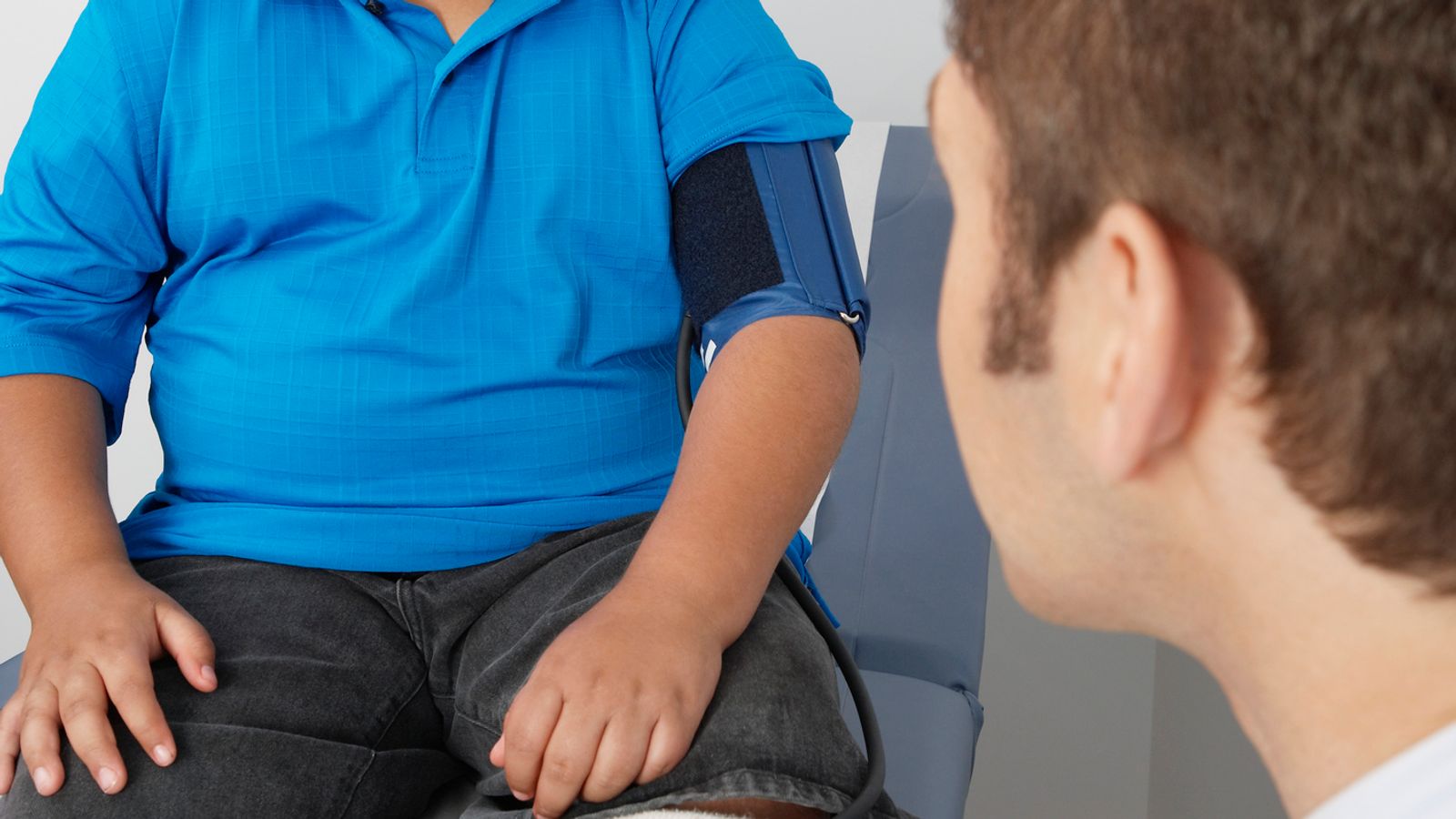
Surging Childhood Obesity Drives Dramatic Rise in High Blood Pressure Rates
In the inner city of Manchester, a 10-year-old girl struggles to keep pace with her classmates at recess. As laughter echoes around her, she pauses, wiping the sweat from her brow, not just from play, but from the heavy toll of carrying extra weight. At a time when childhood should be marked by boundless energy and exploration, many children like her find themselves battling obesity-related health crises, with high blood pressure looming ominously. A recent analysis finds that nearly one in 20 children under the age of 19 had high blood pressure in 2020, a rate that has nearly doubled since the turn of the millennium.
The Alarming Statistics
The study, published in the prestigious journal Lancet Child and Adolescent Health, reveals that global childhood hypertension affects an alarming 114 million children worldwide—up from 3.2% in 2000 to 6.2% in 2020. The researchers, a collaborative team from the University of Edinburgh and Zhejiang University in China, examined data from 443,000 children across 21 countries, illuminating a crisis that transcends borders.
Obesity: The Chief Culprit
Obesity emerged as a “substantial driver” behind this worrying trend. The analysis indicated that nearly 19% of children and adolescents with obesity suffer from high blood pressure, a stark contrast to the mere 3% of their healthier-weight peers. Dr. Peige Song, a lead author of the study, sums it up succinctly: “Unhealthy diets, decreased physical activity, and the rising prevalence of childhood obesity are all contributing factors.”
- Unhealthy Diets: High sugar and fat intake are prevalent in modern diets.
- Decreased Physical Activity: Increased screen time has replaced outdoor play.
- Parental Influence: Family habits play a crucial role in shaping children’s eating and exercise behaviors.
The Broader Implications
The ramifications of childhood hypertension extend beyond immediate health concerns. Elevated blood pressure often persists into adulthood, escalating the risks of chronic conditions like heart disease and stroke. Bryan Williams, chief scientific and medical officer at the British Heart Foundation, emphasizes the urgency of addressing this issue, asserting, “The doubling in childhood high blood pressure rates is deeply concerning. While genetic factors exist, it is the sharp rise in childhood obesity that is most alarming.”
Williams advocates for robust governmental actions to stem the tide of obesity. “We need bold action to prevent obesity in the first place,” he argues, calling for measures such as expanding restrictions on the marketing of unhealthy products and pushing the food industry to reformulate everyday foods to be healthier.
A Glimpse of Hope
Despite these alarming trends, there is a glimmer of optimism. The good news is that obesity-related high blood pressure can be reversed. Dr. Song emphasizes the role of parents in shaping healthier lifestyles for their children: “Promoting healthy habits is essential. A balanced diet rich in fruits, vegetables, and whole grains, while minimizing salt and sugar intake, significantly reduces the risk of hypertension.”
In a 2022 study conducted by the National Institute of Health, children who participated in guided nutritional programs and physical activities demonstrated a 25% improvement in blood pressure readings after just six months. This underscores the importance of early intervention.
Case Studies and Personal Stories
Consider Samuel, a 12-year-old boy from Birmingham who before joining a community sports initiative, faced medical diagnoses that cast a shadow over his childhood. Struggling with obesity and lethargy, Samuel participated in a structured program combining physical training with nutritional education. “I used to feel tired all the time, but now I have more energy,” he shares, proudly recounting his journey to health. With ongoing support from parents and trainers, he has successfully lowered his blood pressure and adopted healthier habits, serving as a beacon of hope for his peers.
However, not all stories have a happy ending. In neighborhoods where economic hardship limits access to healthy foods and recreational spaces, children often remain ensnared in cycles of poor health. María, a single mother in a low-income area of London, shares her frustrations: “Fast food is cheaper and more accessible than fruits and vegetables. I want the best for my son, but it’s hard.” Her situation reflects a larger systemic issue that disproportionately affects marginalized communities, making preventive measures even more essential.
Calls for Political Action
The rising tide of childhood hypertension has prompted some health experts to call for urgent political action. Advocates stress that government initiatives need to prioritize children’s health in the same way they do adult health issues, pushing for policies that promote healthier school lunches, funding for community fitness programs, and public health campaigns aimed at families.
In a recent policy proposal, the Healthy Children Initiative outlined actionable steps to combat this crisis, including free access to physical activities in under-resourced neighborhoods and support for schools to implement comprehensive health education programs. “We need a multifaceted approach to tackle this issue,” asserts Dr. Aisha Malik, a public health researcher involved in the initiative. “Creating environments that promote health is vital.”
As we reflect on the alarming statistics surrounding childhood obesity and hypertension, it becomes clear that this crisis is not insurmountable. By investing in our children’s health today, we pave the way for a healthier future. Educators, families, and governments must unite in this endeavor, guided by the knowledge that with concerted effort, we can reverse trends and ensure that childhood remains a time of vitality and aspiration.
Source: news.sky.com

