


Younger men absent from the evidence
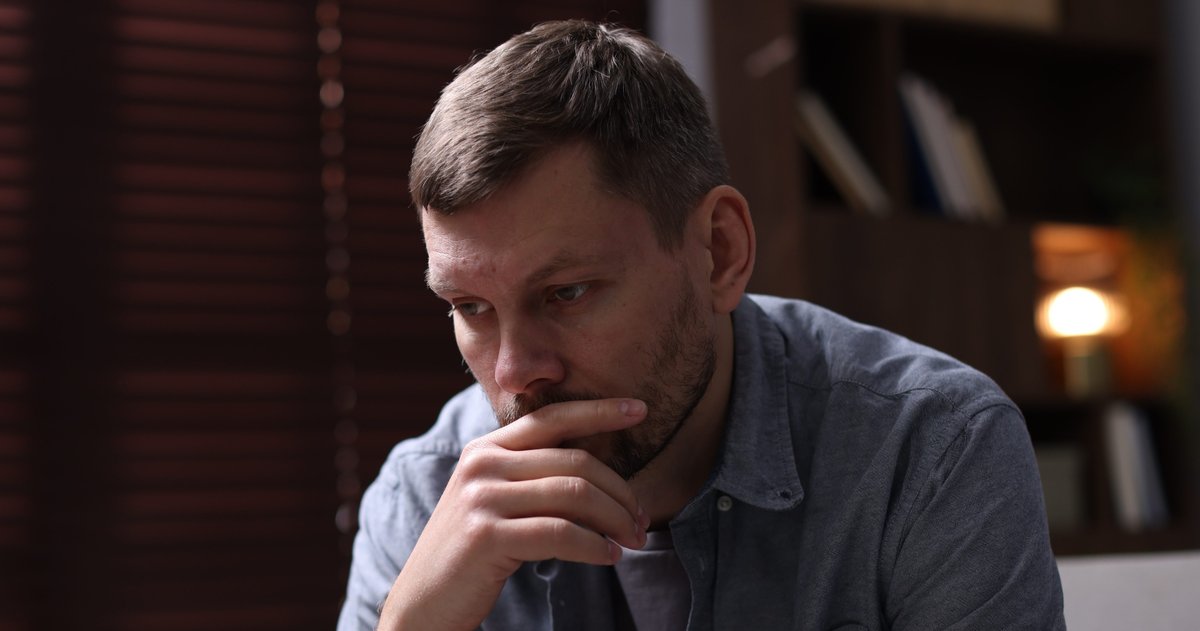
In a crowded mental health facility in London, a young man sits quietly, his face a map of anxiety and fear. He is 28 years old and feels overwhelmed by the pressures of life, yet he hasn’t reached out for help. This scene mirrors a troubling trend revealed in recent surveys: younger men, particularly those under 35, appear to be absent from critical discussions shaping mental health strategies.
The demographic disconnect
A recent study found that 79% of evidence submitted for mental health strategy formulation came from individuals aged 45 to 84, with a staggering 94% identifying as white. Only 6% were younger men. This demographic imbalance raises urgent questions about whose voices are being heard—and whose are being neglected.
“The Strategy reflects the experiences and needs of a particular demographic, but the most affected group—young men—remains largely unrepresented,” says Dr. Kultar Singh Garcha, an NHS GP and Chief Medical Officer at Flow Neuroscience. “When we know that men aged 25–44 face a suicide rate of 20.5 deaths per 100,000, it highlights a significant oversight in mental health provision.”
Alarm bells ringing
Data from the Office for National Statistics supports this grave concern. The nearly parallel statistics of suicide rates among younger and middle-aged men suggest that younger men are not only silently suffering but are also disproportionately affected by untreated mental health issues. Experts argue that the current strategy might miss the nuances of younger men’s challenges.
- Stigmas surrounding mental health make younger men less likely to seek help.
- Barriers to access, including financial instability, affect this demographic disproportionately.
- Cultural expectations often pressure young men to appear resilient, further silencing their struggles.
Dr. Garcha emphasizes that more than half of men in a recent survey indicated they had avoided seeking help. “We also need to think about the men who never enter the system at all. Their silence can be dangerously overlooked,” he adds.
Invisible struggles in plain sight
Yet the issue is not confined to just numbers and statistics. Young men like Adam, a 30-year-old software engineer, illustrate this gap all too well. “I don’t even know where to begin if I wanted help,” he admits. “The resources seem tailored for older men, and honestly, I feel out of place.” Adam describes the layers of anxiety he faces, juggling work pressures, financial burdens, and a deep-rooted fear of vulnerability. His case is not isolated; many young men resonate with this sentiment, yet they remain underrepresented in mental health research and initiatives.
Consequences of exclusion
This exclusion from the conversation extends beyond statistics to real-life repercussions. Dr. Helen Wright, a psychologist specializing in men’s mental health, warns, “When younger men’s voices aren’t heard, it sets a dangerous precedent. Mental health strategies become reactive rather than proactive.”
Longitudinal studies have shown a correlation between early intervention and better mental health outcomes. Yet, without the participation of younger men, these strategies remain fundamentally flawed. “Effectiveness hinges on understanding the target audience. If you don’t have input from those affected, you risk implementing solutions that may not apply,” Dr. Wright concludes.
Bridging the gap
So, what can be done to rectify this skewed representation? Experts suggest multiple approaches to invigorate the engagement of younger men:
- Utilize social media platforms that resonate with younger audiences to promote mental health awareness.
- Create outreach programs tailored specifically for young men that address their unique challenges.
- Engage peer mentors who can foster relatable conversations and encourage younger men to seek help.
“It’s crucial to meet younger men where they are, both physically and emotionally,” Dr. Garcha notes. “If we can make mental health resources accessible and relevant, perhaps we can encourage more young men to participate in these vital conversations.”
A call for inclusivity
As the mental health landscape evolves, the need for inclusivity in strategy formulation becomes even more pronounced. Adam is hopeful, reflecting that “if more younger men find the courage to speak out, maybe we can start changing the narrative.” Encouragingly, there are signs of movement: peer-led initiatives are gaining traction, and informal support networks are emerging online.
However, the challenge remains daunting. As Dr. Wright aptly summarizes, “The silence cannot continue. Mental health strategies must include all men, especially those who are suffering in silence. If not, we risk facing a generational crisis.”
As policymakers deliberate on future strategies, one key takeaway is clear: the voices of younger men must not only be acknowledged but prioritized. Their silence may currently mask a crisis, but empowering them to speak out could be the first step in averting tragedy.
Source: healthcare-digital.com

