


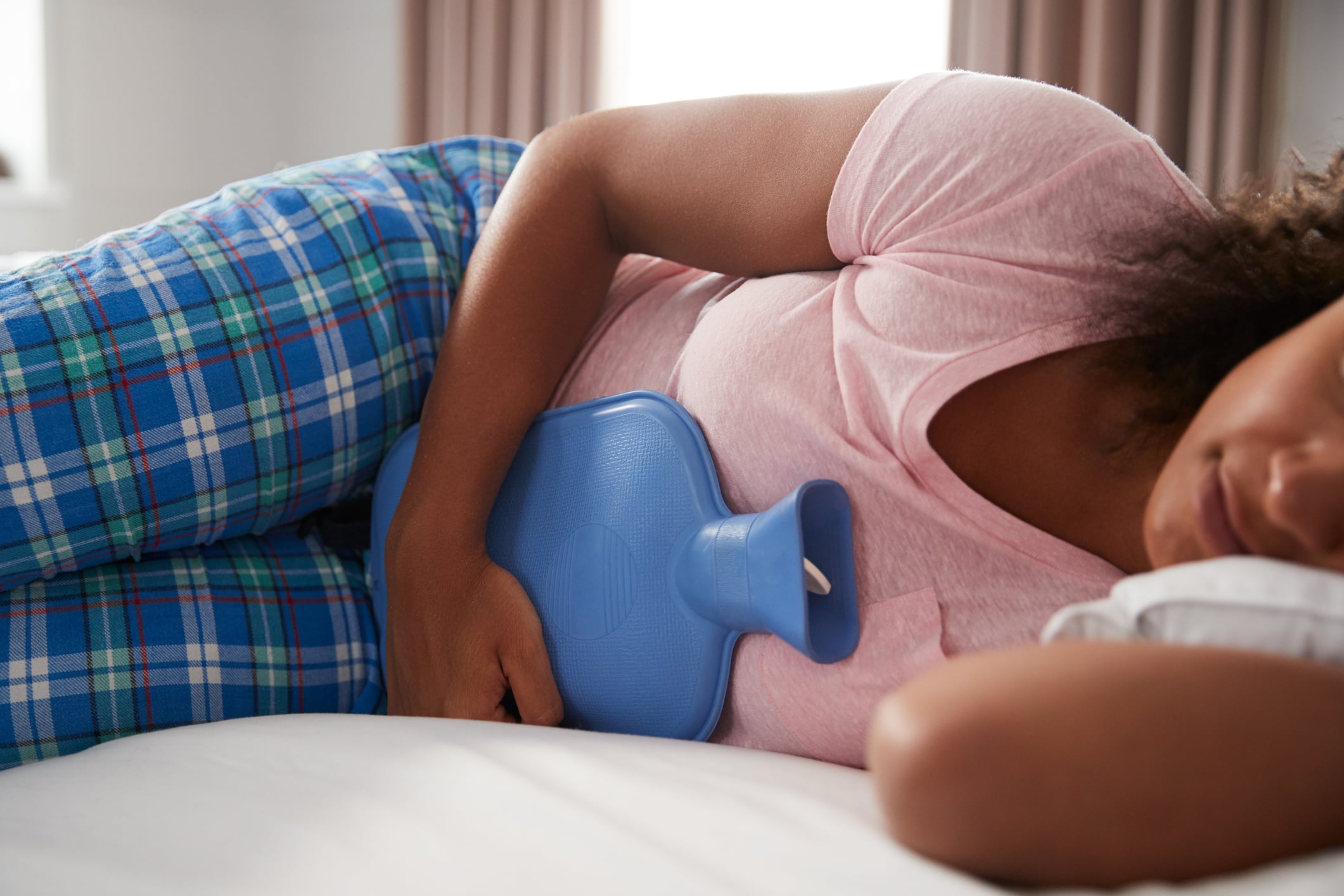
As children and young people return to school, the urgent need for better support for menstrual pain
On a crisp autumn morning, Clara, a 16-year-old student, walks to school clutching her abdomen, wincing with each step. Like many young women, she braces herself for the debilitating period pain that often keeps her from fully engaging in her classes. “It feels like someone is twisting a knife in my stomach,” she confides. For Clara, the cycle of discomfort is all too familiar, and recent findings suggest that her struggle may extend far beyond adolescence.
The Alarming Findings
A groundbreaking study published in The Lancet Child & Adolescent Health adds urgency to the conversation around adolescent menstrual pain, revealing a significant correlation between dysmenorrhea and chronic pain in adulthood. Researchers analyzed data from over 1,100 participants in the Avon Longitudinal Study of Parents and Children (ALSPAC)—one of the UK’s most comprehensive birth cohort studies. The results were striking: young people who reported severe period pain at age 15 faced a 76% higher risk of chronic pain by age 26 compared to peers who experienced no pain. Even those with moderate pain were at a 65% increased risk.
- 17% of teenagers reporting no menstrual pain later developed chronic pain.
- The risk differences, after adjusting for various factors, were +4.8 percentage points for mild, +12.7 for moderate, and +16.2 for severe pain.
- A clear pattern emerged, linking increasing pain severity with chronic pain in other areas, including headaches and joint pain.
Understanding the Scope
While previous studies hinted at this alarming link, they often relied on small, clinical samples. Professor Katy Vincent, a gynaecologist and senior author of the study from Oxford’s Nuffield Department of Women’s & Reproductive Health, emphasizes that this research underscores how seriously we need to take menstrual pain. “We’ve long recognized that period pain disrupts young people’s lives, yet many suffer alone, either dismissed or told that it’s ‘normal.’ This study is a wake-up call for systematic change,” Vincent notes.
The Neurobiological Perspective
Understanding how adolescent period pain can morph into chronic pain involves examining the nervous system’s response during adolescence. During this period of heightened neuroplasticity, the brain’s adaptability may lead to increased sensitivity to pain signals that persist long after the symptoms fade. “Persistent menstrual pain may cause lasting changes in how the nervous system processes pain, setting the stage for chronic pain conditions,” Vincent explains.
Mental Health Complications
Interestingly, the study also explored the intersections between menstrual pain and mental health. Although anxiety and depression that developed soon after experiencing menstrual pain explained a small portion of the link, it highlighted the complex interplay between biological and psychological factors. “Results like these suggest that mental health support is also crucial in addressing menstrual pain,” explains Dr. Angela Hind, CEO of the Medical Research Foundation. “These findings have implications not only for healthcare providers but also for educators and policymakers.”
Voices from the Young Community
The project was developed with input from an advisory panel of young individuals eager to contribute. Ela, a passionate 17-year-old participant, reflected, “It feels game-changing to be part of this research. It honors all the women who’ve been told their pain is insignificant.” Similarly, Wiktoria stressed the importance of normalizing conversations around menstrual pain, stating that no one should have to suffer in silence. “We want to empower teenagers to seek medical help without fear of being mocked or dismissed,” she said.
Moving Towards Change
As students like Clara head back to school this week, it’s vital for educators and healthcare professionals to recognize the implications of these newly published findings. The call for systematic change includes improving menstrual education and reducing stigma surrounding both adolescence and chronic pain. Professor Vincent urges, “Let’s make 2025/2026 the turning point—acknowledge that period pain is not just something to tolerate; it’s a health concern that requires attention and resources.”
Dr. Reid-McCann, the study’s lead researcher, echoes these sentiments. “This research is crucial because it shows just how widespread period pain is among teenagers, and how seriously it can affect their future health. We must ensure that menstrual pain is not trivialized.”
The study, funded by the Medical Research Foundation as part of the Advanced Pain Discovery Platform, aims to shed light on neglected areas of medical research and calls for increased attention and investment in the treatment and understanding of menstrual pain. As Dr. Hind points out, “This study demonstrates how critical it is to support young people’s health needs comprehensively.”
Ultimately, the road to change begins with open conversations and effective medical interventions. As Clara prepares for her classes, she hopes for a future where her pain—along with that of countless others—is recognized, validated, and treated with the urgency it deserves.
Source: www.ox.ac.uk

