


Diet and Dementia: Unpacking the Connection
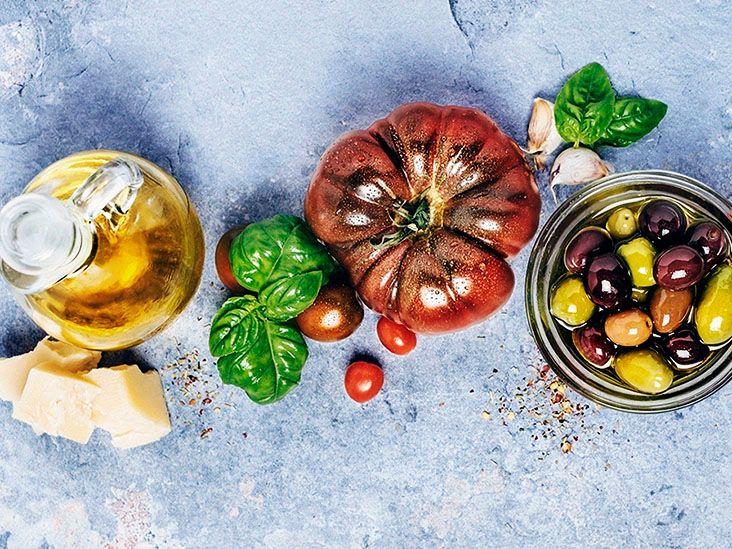
Imagine sitting down for a meal rich in olives, fresh vegetables, and grains, the sun setting in the Mediterranean sky. While this scene conjures visions of leisurely lunches and vibrant local markets, new research suggests it may also represent a potent defense against dementia. As mounting evidence connects dietary habits to cognitive health, a recent study from the UK Biobank adds clarity and urgency to this vital discourse.
The Research Landscape
Can our dietary choices significantly impact our brain’s health as we age? The latest findings suggest that the answer is an emphatic yes. The investigation examined data from over 131,000 participants, assessing various dietary patterns and their correlation with dementia risk over an average follow-up of 13.5 years. Strikingly, the results showed that individuals adhering closely to healthy diets like the Mediterranean and MIND diets significantly reduced their chances of developing dementia.
Key Findings
- Participants with the lowest adherence to healthy diets experienced the highest incidence of dementia.
- The Mediterranean diet was associated with a 24% lower risk of dementia at the ten-year mark.
- Women, in particular, benefited more significantly from healthy diets than their male counterparts.
Dr. Amarish Dave, an osteopathic physician specializing in neurology, emphasized the importance of this research. “This study provides hard evidence that what we eat can influence our risk of dementia,” he remarked. “The sheer scale of the data speaks volumes.” Indeed, out of 1,453 participants diagnosed with dementia, those with the healthiest diets demonstrated a remarkable resilience against cognitive decline.
The Meals That Matter
Researchers employed various scoring systems to evaluate participants’ diets, including the Mediterranean diet score, the MIND diet score, and the energy-adjusted Dietary Inflammatory Index (EDII). The findings indicated a distinct correlation:
- Higher scores in the Mediterranean and MIND diets were linked to lower dementia risk.
- Conversely, higher inflammatory diet scores correlated with increased dementia risk, particularly relevant for those with obesity.
The MIND diet, a fusion of the Mediterranean and DASH diets, emphasizes the intake of leafy greens, berries, and nuts. Initial data highlighted that significant protective effects of diet emerged relatively quickly; within five years, those following the MIND diet were already reaping cognitive benefits. However, this pattern evolved over time with older adults—beyond ten years, the Mediterranean diet’s protective effects became prominently apparent, demonstrating its long-term potential.
Insights into Demographics
Subgroup analyses revealed additional nuances. For participants aged 60 and older, adherence to the Mediterranean diet significantly reduced dementia risk. However, the findings were less pronounced for younger populations. Interestingly, the protective effects of dietary choices were notably more significant in women. “This could indicate biological differences in how women process dietary influences,” suggested Dr. Eliza Tran, a nutritional epidemiologist who was not part of the study. “The implications for dietary guidelines, particularly for older women, are profound.”
Potential Mechanisms at Work
What accounts for the protective effects observed in the study? The mechanisms remain complex, influenced by inflammation and oxidative stress, both of which are implicated in neurodegenerative diseases. Dr. Alex Dimitriu, a double board-certified psychiatrist and sleep medicine specialist, highlighted the potential for dietary interventions. “This study underscores the necessity of integrating nutritional considerations into cognitive health strategies,” he noted. “For many, simple changes could yield significant benefits.”
Limitations and Future Directions
While the study offers insightful revelations, researchers acknowledge inherent limitations. With data primarily sourced from the UK, global applicability remains uncertain. Moreover, recall bias in self-reported dietary habits can skew results, affecting the overall reliability of conclusions drawn.
The study points to a critical need for further research, particularly examining diverse age groups and dietary diversity over time. With dietary data collected in a narrow window, future studies should consider longitudinal tracking to assess how changes in eating patterns might influence dementia risk.
Shifting the Narrative
As experts digest the findings, the clear message is that dietary choices do matter, not just for overall health, but specifically for cognitive longevity. “Doctors should be discussing dietary impacts on brain health with clients, just as they do for heart health,” emphasized Dr. Dave. “Whole, anti-inflammatory foods can form a robust defense against cognitive decline.”
In a world increasingly aware of the critical role of food in health, these findings serve as a clarion call. As we consider our future, the age-old Mediterranean table may not just represent indulgence. Instead, it stands as a bastion of wellness—an urgent reminder of the profound impact of the foods we choose.
Source: www.medicalnewstoday.com

