


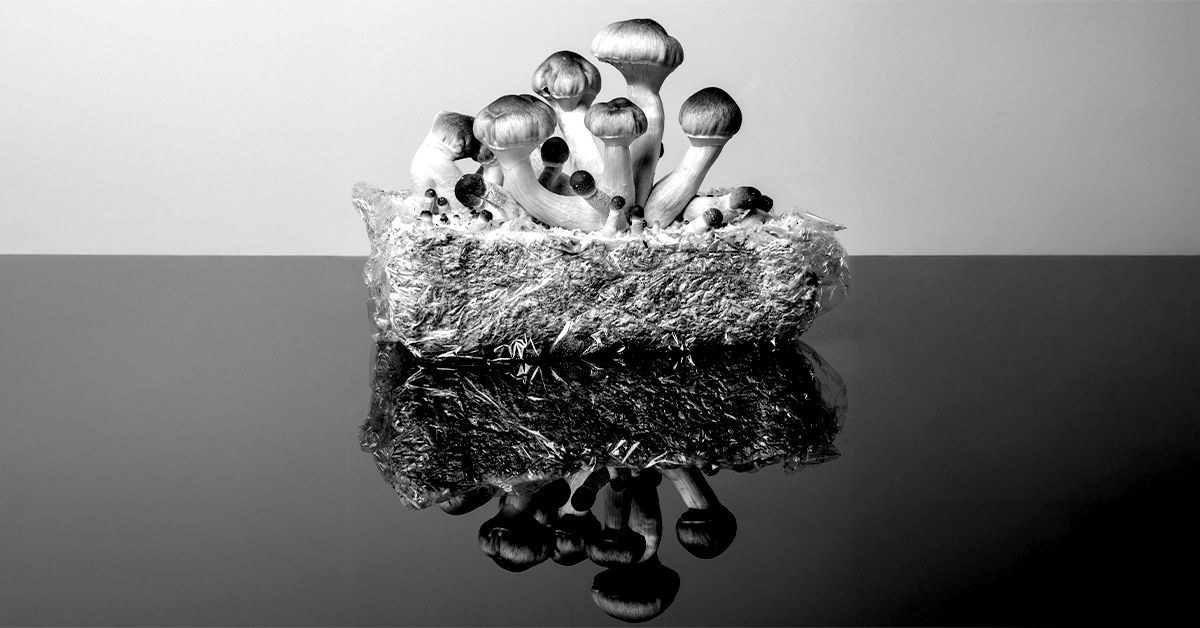
Psilocybin and the Quest for Anti-Aging: An Emerging Frontier in Science
The sun sinks below the horizon, casting golden hues across a serene garden filled with vibrant life. Amidst this beauty lies a groundbreaking discovery that could redefine the essence of aging itself. Recent studies suggest that psilocybin, the psychedelic compound found in certain mushrooms, may not only enhance mental well-being but could also hold the keys to extending physical vitality and longevity. Scientists are diving deep into this fascinating intersection, where ancient wisdom meets cutting-edge research, opening tantalizing possibilities for the future of human health.
The Science Behind Psilocybin
Psilocybin, often referred to as “magic mushrooms,” has long been associated with euphoria and altered states of consciousness. Yet, as Dr. Louise Hecker, a leading researcher at Baylor College of Medicine, indicates, its potential extends well beyond the mind. “The overwhelming majority of what we know about psilocybin focuses on its psychological effects. However, the systemic impacts on the body need to be explored,” she told Medical News Today.
Recent Discoveries
- Cellular Lifespan: Psilocybin has been shown to increase the cellular lifespan of human skin and lung cells by over 50%. This significant finding suggests a retarding effect on the aging process at a cellular level.
- Protective Qualities: Studies on mouse models reveal that psilocybin may combat age-related diseases, such as neurodegeneration and heart disease.
- Oxidative Stress Reduction: The compound appears to lower oxidative stress and improve DNA repair responses, vital factors in the aging process.
In a striking study published in the journal npj Aging, Hecker revealed that treatments with psilocybin not only slowed aging in isolated cells but also led to substantial lifespan increases in mice models simulating human aging. “Essentially, the data suggests that psilocybin might revolutionize how we approach aging in general,” she explained. Mice receiving psilocybin lived longer, boasting fewer age-related characteristics, including reduced graying of fur and enhanced vitality.
Mechanisms of Action
So, how does this seemingly magical substance stave off the ravages of time? Researchers have identified several mechanisms that may explain psilocybin’s anti-aging effects:
- Telomere Preservation: Psilocybin may help preserve telomere lengths, which are crucial for cellular division and longevity.
- Oxidative Stress Mitigation: By reducing free radicals, psilocybin appears to repair cellular damage that contributes to aging.
- Enhanced DNA Repair: Evidence suggests psilocybin enhances the body’s ability to repair damaged DNA, a significant player in cellular longevity.
Dr. Jack Jacoub, a respected oncologist and medical director at MemorialCare Cancer Institute, cautions that while these findings are promising, significant work remains. “This is a notable observational study, but the leap from cellular findings to human applicability requires thorough investigation,” he noted. “We need targeted research to ascertain whether these compounds could offer real therapeutic benefits for humans.”
The Road Ahead
As researchers like Hecker and Jacoub pursue answers, the medical community remains buzzing with intrigue. Psilocybin’s implications, if validated through rigorous testing, could reshape paradigms, making the prospect of healthy aging a reality instead of a mere dream.
However, concerns surrounding dosing, potential side effects, and long-term impact necessitate stringent protocols. “More research is needed to understand how psilocybin impacts aging processes outside the brain, and we must optimize dosing protocols before any clinical application can be envisaged,” Hecker emphasized.
Ethical Considerations and Future Research
The burgeoning interest in psilocybin and its therapeutic possibilities calls for a parallel examination of ethical implications. The transition from research to application raises pressing questions: Who will benefit? How will access be regulated? In a society marked by disparities in healthcare, ensuring equitable access to this potential anti-aging therapy will be crucial.
With the global landscape of psychedelic research evolving rapidly, researchers advocate for scientifically rigorous studies to explore not just the efficacy but also the safety of psilocybin. “Could it aid in faster recovery for those who have suffered strokes or heart attacks? We need to explore those elements,” Jacoub suggested.
As we stand at the precipice of a new understanding of aging, the possibility that psilocybin might allow us to embrace not just longer lives but healthier ones beckons. Louise Hecker succinctly put it: “Psilocybin holds great potential for promoting healthy aging—this is just the starting point. We are on the cusp of something revolutionary.”
In an era where conventional approaches to aging often feel inadequate, the prospect of natural interventions like psilocybin offers a glimmer of hope. As research continues to unfold, it beckons us to reconsider the aging process, suggesting that perhaps the key to a vibrant life lies hidden within the ancient wisdom of nature.
Source: www.medicalnewstoday.com

