


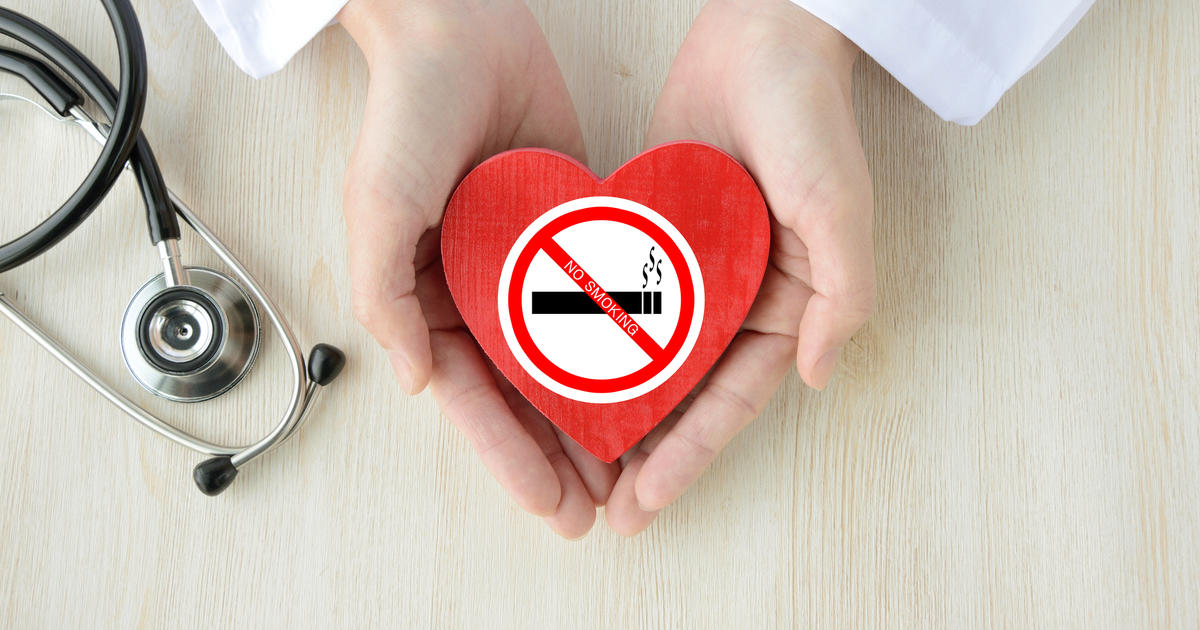
The Life-Altering Decision to Quit Smoking: A Call to Action from Health Experts
Every year, millions of lives are quietly upended by a harmful habit that, while often romanticized, is the leading cause of preventable disease and death worldwide. As smoke curls into the air, often bundled in a seemingly harmless cigarette, it represents a lethal adversary against health. In an incisive new column, Dr. Peter Haigh, a noninvasive cardiologist at the University of Kentucky HealthCare’s Gill Heart & Vascular Institute, lays bare the dire consequences of smoking and the urgency of quitting—a message underscored by sobering statistics and personal narratives of survival.
The Stark Truth of Smoking’s Impact
Dr. Haigh’s assertions echo a disheartening reality: smoking is responsible for nearly 25% of all deaths from heart disease and a staggering majority of lung cancer cases. In 2023 alone, an estimated 480,000 Americans succumbed to smoking-related ailments, illuminating the profound public health crisis that continues to unfold.
“Smoking isn’t just a habit; it’s a chronic condition that leads to systemic health deterioration,” states Dr. Haigh. “The damage caused is multifaceted, impacting not just the lungs but the arteries and organs throughout the body.”
A Broader Range of Health Risks
Beyond its notorious links to cancer and cardiovascular diseases, smoking incurs a wide array of additional health complications:
- Chronic lung disease
- Osteoporosis
- Infertility and sexual health dysfunction
- Insulin resistance
- Stomach ulcers
- Kidney failure
- Vision loss
- Gum disease
- Impaired wound healing
These conditions collectively contribute to increased healthcare costs and diminished quality of life. A study published in the Journal of Preventive Medicine found that smokers often face a lifespan reduced by an average of 10 years compared to non-smokers. “That’s not just a number; it’s a decade of life experiences lost,” notes Dr. Emily Cortland, a public health expert and co-author of the study.
The Mechanism Behind Smoking’s Damage
At the heart of smoking’s destructive potential lies the process of atherosclerosis, where plaque builds up in the arteries—significantly impeding blood flow. Dr. Haigh elucidates that this phenomenon isn’t isolated to coronary arteries but occurs throughout the vascular system, ultimately leading to complications like heart attacks, strokes, and chronic pain.
“Plaque accumulates stealthily over time,” Dr. Haigh explains. “Many patients only discover their condition when it becomes critical. Quitting smoking is one of the most effective strategies to halt this progression.”
Immediate and Long-Term Benefits of Quitting
Hope lies in the fact that it is never too late to quit. According to health experts, individuals who cease smoking can witness a marked improvement in their health in as little as a year. Dr. Haigh points out that the risk of heart disease can be cut in half within 12 months of quitting.
“Quitting is transformative,” he states. “People may experience significant relief from symptoms like shortness of breath within weeks. It’s an investment in oneself that keeps on giving.”
Steps to Successfully Quit Smoking
Many individuals find the prospect of quitting daunting, but Dr. Haigh encourages a stepwise approach comprised of several actionable steps:
- SET: Choose a quit date.
- CHOOSE: Determine your method for quitting—cold turkey or gradually.
- DECIDE: Consider seeking support from healthcare professionals and using nicotine replacement therapies.
- PREPARE: Remove all tobacco products from your environment and devise a plan to cope with cravings.
- QUIT: Take action on your chosen date, and stay resilient in the face of potential setbacks.
“Many people don’t realize that relapses can happen; what’s important is to remain steadfast and remind yourself of the incredible benefits you’re gaining, both physically and mentally,” advises Sarah Clearwater, a tobacco cessation counselor.
In the Wake of Change: Embracing a Smoke-Free Life
The road to quitting smoking can be fraught with challenges, yet it is also filled with opportunities for renewal. As Dr. Haigh poignantly states, “You owe it to yourself to give it a try.” In a society where tobacco use has traditionally been ingrained in social rituals, the pathway to understanding smoking’s ramifications and embracing a smoke-free lifestyle is becoming clearer, one informed choice at a time.
The lives transformed by quitting resonate through generations. Families that no longer bear witness to the smoke-filled rooms and sorrowful consequences stand as testaments to the power of resilience and change. The journey may be challenging, but the potential for a longer, healthier life awaits those who dare to take the first step.
Source: uknow.uky.edu

