


Is it True That Cheese Could Protect Brain Health?
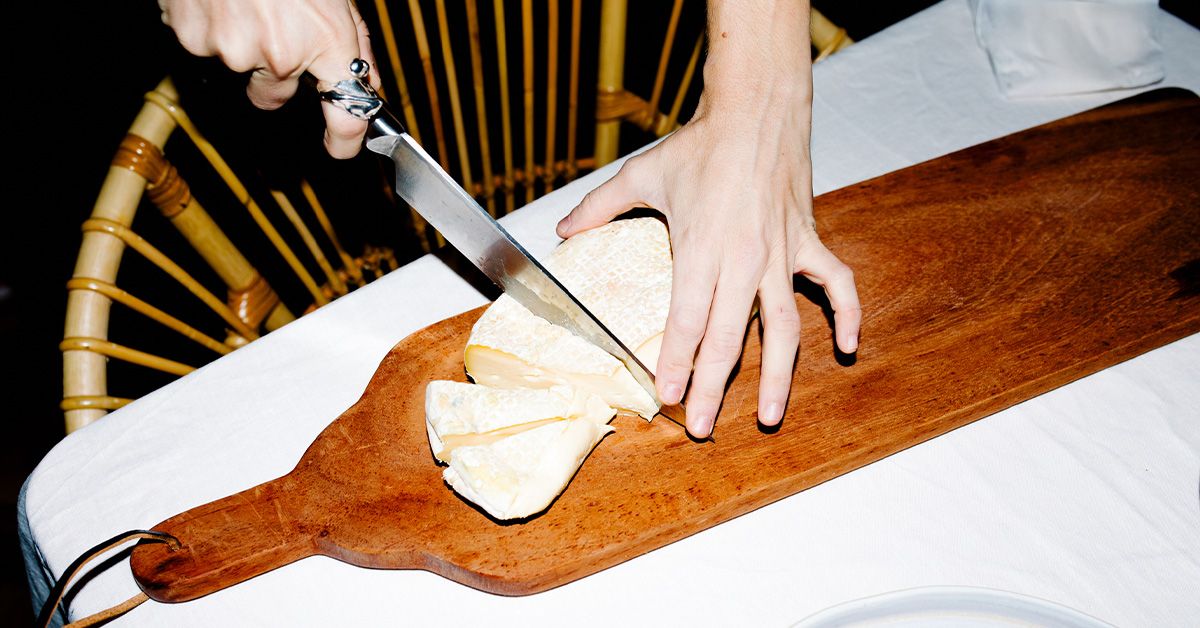
As the sun dipped below the horizon in a charming Swedish village, a local farmer meticulously sliced through a wedge of aged Gouda. The rich aroma wafted through the air, enveloping passersby in an unexpected warmth. Yet, beyond its culinary charm, recent findings have raised eyebrows among health professionals: could this creamy delight also play a role in preserving cognitive health? A large-scale study led by researchers at Lund University suggests that high-fat cheese may hold more than just flavor; it may have protective effects against dementia.
The Swedish Study: Unpacking the Findings
Published in the journal Neurology, the study assessed data from 27,670 Swedes with an average age of 58. Over a quarter-century, participants meticulously recorded their food intake, emphasizing high-fat dairy products like cheddar, Brie, and Gouda. The results were striking: those consuming 20 grams or more of high-fat cheese daily exhibited a 13% lower risk of developing dementia compared to non-consumers. For those who indulged in at least 50 grams of high-fat cream, the protective effect rose to 16%.
- High-fat cheese varieties: Cheddar, Brie, Gouda
- High-fat creams: Whipping cream, double cream, clotted cream
- Key percentages: 13% lower dementia risk for 20g cheese; 16% lower for 50g cream
Emily Sonestedt, PhD, the study’s lead author, pointed out, “Our findings challenge the long-held belief that all high-fat dairy is detrimental to brain health. Instead, they suggest a nuanced perspective on dietary fats.” While the study demonstrates a correlation, it stops short of asserting causation, underscoring the complexity of nutritional science.
Cheese: Fatty Friend or Foe?
The revelations don’t just stop at cheese. Michelle Routhenstein, a preventive cardiology dietitian, shared her insights: “While it’s fascinating that high-fat dairy can be associated with a lower risk of dementia, it’s crucial to emphasize that dietary patterns matter. High-fat cheese is not a cure-all; it should complement an overall healthy lifestyle.” According to recent dietary guidelines, the narrative around fats has evolved significantly, with research indicating that certain saturated fats, particularly from fermented sources, may not be as harmful as previously thought.
Linking Vascular Health to Brain Function
Understanding the interplay between vascular and brain health is essential. Sonestedt noted, “Many dementia cases are linked to vascular issues. If cheese contributes positively to cardiovascular health, it could also have indirect benefits for the brain.” This understanding aligns with previous studies that underline how vascular health directly influences neurological well-being. The brain, often described as a ‘super organ,’ thrives on adequate blood flow and nutrient supply.
The participants who reported higher cheese consumption developed dementia at a rate of 10%, compared to 13% in those who consumed less than 15 grams daily—a notable difference highlighting the potential benefits of choosing full-fat dairy over processed alternatives.
The Dairy Dilemma: Why Cheese Stands Out
Interestingly, consumption of low-fat cheeses, low-fat creams, and fermented milk products showed no significant relationship with dementia risk. Routhenstein elaborated, “This might be due to the unique properties of full-fat cheese. Unlike its low-fat counterparts, full-fat cheese is rich in bioactive compounds that can influence critical metabolic pathways linked to brain health.”
One must consider the lifestyle choices encapsulated in high cheese consumption. Participants who included high-fat dairy in their diets often exhibited healthier overall dietary patterns, further complicating the narrative around the singular impact of cheese consumption.
A Global Perspective on Dairy Consumption
These findings, while promising, prompt critical questions about their applicability across different cultural contexts. “Diets vary significantly from country to country. In countries where high-fat cheese is not prevalent, or is consumed in different ways, the outcomes may not be the same,” Sonestedt cautioned, hinting at the need for global studies. In Sweden, cheese is often consumed uncooked, whereas, in countries like the United States, it is frequently paired with processed meats or other high-fat foods.
Looking Ahead: A Balanced Perspective
This groundbreaking study heralds a shift in our understanding of dairy, suggesting that moderate cheese consumption could fit into a brain-healthy diet without heightened dementia risk. However, experts stress that individuals should not perceive high-fat cheese as a magical solution. Instead, intelligent food substitutions and an overall brain-healthy diet are still integral.
As excitement builds within the scientific community, Routhenstein summarizes the prevailing sentiment: “No single food can serve as a panacea for brain health. Nonetheless, integrating moderate amounts of high-fat cheese into a balanced and nutrient-dense diet could indeed be a step in the right direction.” With this in mind, the humble cheese slice we once took for granted may just play a pivotal role in a healthy future—not just for the palate, but for the mind as well.
Source: www.medicalnewstoday.com

