


Drinking Coffee May Support Healthy Aging in Women
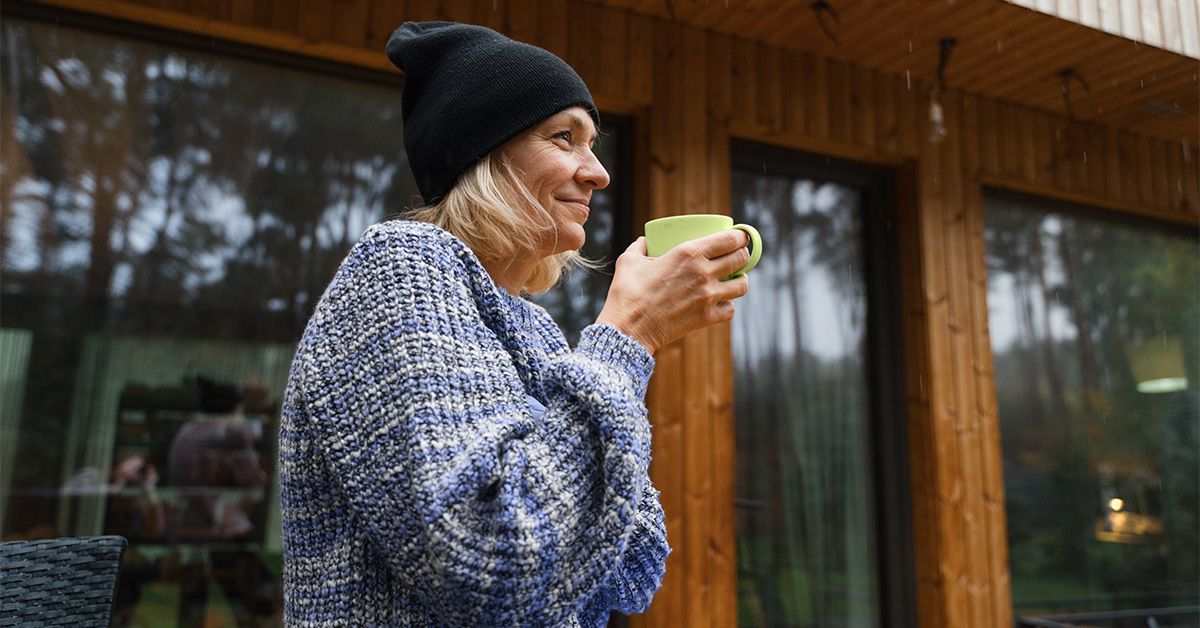
As the sun cascades through the kitchen window, fragrant steam rises from a porcelain mug cradled in her hands. For Mary Johnson, a sprightly 73-year-old from Portland, Oregon, this daily ritual of sipping freshly brewed coffee has become not just a source of enjoyment but also a beacon of health. Recent research suggests that her cherished habit might extend beyond pleasure, potentially playing a crucial role in promoting healthy aging for women.
Unpacking the Study Findings
The potential benefits of coffee have long intrigued researchers and health professionals alike. At the recent Nutrition 2025 conference, held in Orlando, Florida, findings were presented that introduced a fresh perspective on the relationship between coffee consumption and women’s health. Emerging from the robust Nurses’ Health Study, this research analyzed data from 47,513 women, examining how caffeine intake correlates with instances of chronic diseases and mental decline as they age.
Researchers defined “healthy aging” stringently: the participants needed to reach at least 70 years old, remain free from major chronic diseases, and exhibit no physical or mental limitations. As they delved into food frequency questionnaires spanning decades, it became clear that coffee drinking was associated with positive outcomes. The salient findings include:
- Caffeine intake was positively correlated with reduced risks of chronic diseases.
- Participants who consumed regular coffee exhibited fewer cognitive impairments and mental health issues.
- Each additional cup of coffee consumed daily heightened the likelihood of aging healthily by approximately 2%.
- Conversely, cola intake was linked to an alarming 20% decrease in the chances of healthy aging.
The Research Implications
Dr. Sara Mahdavi, a postdoctoral fellow at Harvard T.H. Chan School of Public Health, led the study. In an interview, she stated, “Our findings suggest that moderate caffeinated coffee intake during midlife may substantially contribute to healthy aging later in life. This association encourages a re-evaluation of coffee’s role in women’s diets.” However, she tempered her enthusiasm, acknowledging the limitations of the study: “While the results are promising, cognitive variations and lifestyle factors must be considered as we interpret our findings.”
The data, while compelling, raised critical questions about representativeness. Most participants were white women, with results that might not reflect broader demographics. Dr. Emily Chen, a sociologist at the University of Washington, cautioned, “It’s essential to diversify future studies to encompass varying ethnicities and lifestyles. This will allow us to determine whether the conclusions can be generalized across different populations.”
Exploring the Coffee-Culture Connection
To contextualize these findings, it’s important to understand the cultural significance of coffee. Globally, coffee is more than a beverage; it fosters community, conversation, and connection. In many cultures, sharing a cup of coffee signifies a moment of togetherness, which may also contribute indirectly to mental well-being and longevity.
Coffee is loaded with antioxidants and bioactive compounds that may help combat oxidative stress, a known factor in aging and chronic disease development. Dr. Marco Vasquez, a nutrition biologist from UCLA, emphasized the intricate relationship between diet and health: “Including coffee as part of a balanced diet rich in fruits, vegetables, and whole grains may bolster these protective benefits.”
Cautions and Considerations
Yet, embarking on a coffee-fueled healthy aging journey requires caution. Mahdavi noted, “Caffeine metabolism varies significantly among individuals—especially in women due to hormonal factors. For some, high intake might lead to adverse health outcomes.” Thus, personalized assessments of caffeine consumption are vital.
Additionally, while coffee has potential benefits, it’s essential to consider its effects on individuals with chronic health conditions. Dr. Lena Reyes, a dietitian at the Mayo Clinic, advised, “Anyone with underlying health issues or who is on medications should consult a healthcare provider to understand how caffeine might interact with their medications.”
The Path Forward
As the research landscape continues to evolve, it hints at possible lifestyle adjustments that could contribute to healthier aging. “Incorporating coffee into your daily routine may be a simple but effective strategy for enhancing longevity,” concluded Mahdavi. “But remember, moderation is key, and it should be part of a broader healthy lifestyle.”
For many like Mary Johnson, the ritual of enjoying coffee is not just about taste—it seems to be intertwined with the very essence of longevity. Amidst rising concerns about chronic diseases and aging, the humble coffee bean may offer more than just a morning pick-me-up. Its promise for promoting healthy aging, particularly for women, invites both excitement and caution as researchers dig deeper into this dynamic relationship.
Source: www.medicalnewstoday.com

