


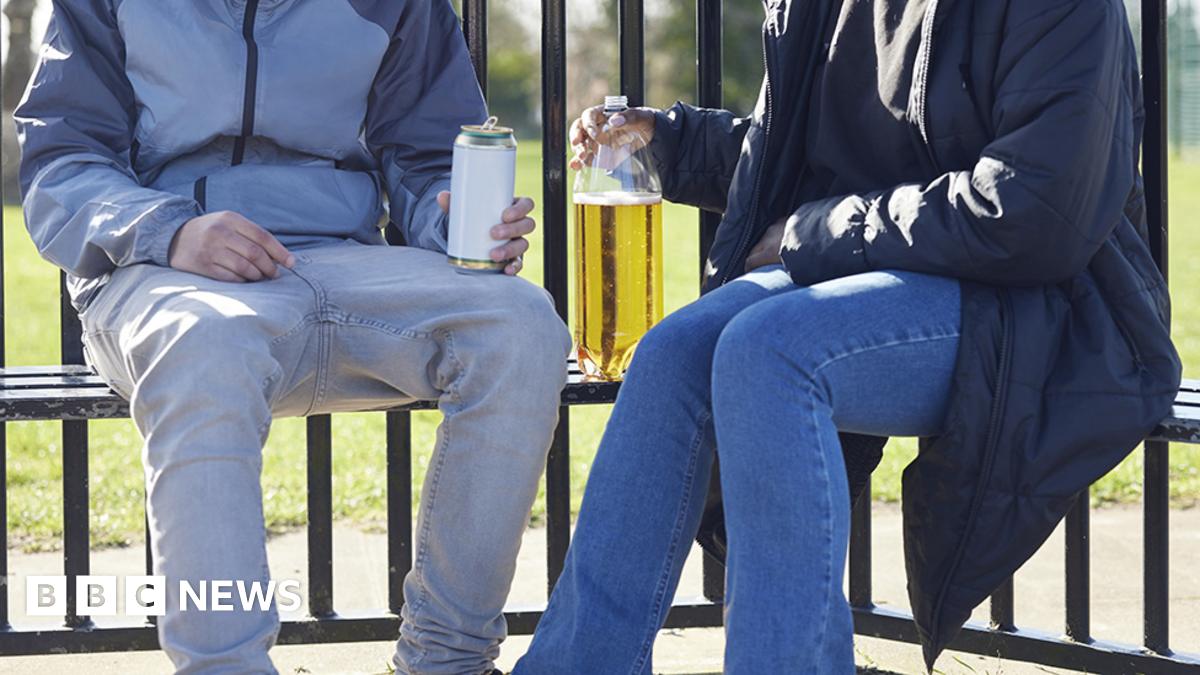
A Third of 11-Year-Olds and More Than Half of 13-Year-Olds in England Have Drunk Alcohol
The sun dipped below the horizon in an East London suburb, casting a golden hue over the local playground where children laughed and raced around. Yet, away from the laughter, whispers of alarming data from the latest World Health Organization (WHO) report lingered in the air: a staggering one-third of 11-year-olds and over half of 13-year-olds in England have consumed alcohol, placing the UK at the top of 44 countries studied. This unsettling revelation is not merely a statistic; it embodies the shifting landscape of childhood and adolescence in a society where drinking has been normalized.
Alcohol Use Among Adolescents in the UK
The findings paint a stark picture of adolescent drinking habits in England, Wales, and Scotland. The report’s data, compiled from around 4,500 school-age children in the UK and other nations, highlights trends that warrant serious reflection. Research indicates that the UK has historically had high rates of alcohol consumption among youth compared to its European counterparts, but recent years showed a decline. This new data suggests that the downward trend may be reversing.
The Gender Divide
Interestingly, the report unveiled a gender disparity in drinking patterns. Girls were more likely than boys to report drinking and experiencing drunkenness by the age of 15. A close examination reveals that:
- At 13, 12% of girls reported being drunk at least twice, compared to 9% of boys.
- By age 15, a third of girls confirmed that they had been drunk, while only a quarter of boys shared the same experience.
- More than half of the girls surveyed stated they had consumed alcohol in the past 30 days.
Dr. Jo Inchley, a leading child health expert from Glasgow University and the study’s coordinator, expressed her concerns about the implications of this trend. “While exploring substances is often part of growing up, early exposure to alcohol can alter brain development and lead to long-term health issues,” she explained. “The normalization of alcohol consumption in family settings, combined with changing parental attitudes, has undoubtedly contributed to this troubling rise.”
Changing Attitudes Toward Alcohol
The WHO’s report further underscores a societal shift in how alcohol is perceived. Traditionally seen as a rite of passage, drinking has evolved into an accepted social activity that begins increasingly earlier. The impact of the COVID-19 pandemic may have played a role; confined to their homes, children witnessed increased alcohol consumption among adults, which may have exaggerated the normalization of drinking.
“The rebound effects after lockdown cannot be understated,” Dr. Inchley noted. “Children often mirror the behaviors of adults; if they see alcohol consumption as commonplace, they are more likely to indulge themselves.”
Potential Health Consequences
Research corroborates the connection between early drinking and severe long-term consequences. One hypothetical study published in the *Journal of Adolescent Health* posits that adolescents who begin drinking before age 15 have a significantly higher probability of developing alcohol dependence and related health issues later in life. The report emphasizes that:
- Brain development is particularly vulnerable during adolescence, making early drinking especially damaging.
- Adolescents who drink are more likely to engage in risky behaviors, including drug use and unsafe sexual practices.
- Social pressures can exacerbate the desire to fit in, making early alcohol use more appealing.
Experts stress that parents and caregivers have a crucial role in mitigating these risks. Initiatives aimed at fostering open conversations about alcohol and its implications are vital to counteracting normalization. “It’s not just a parenting issue; it’s about creating a societal narrative that values health over harmful habits,” noted Dr. Amelia Brooks, a child psychologist specializing in adolescent behavior.
Calls for Action
The WHO report has sparked fervent discussions among policymakers and health advocates. The urgent call for more stringent measures to protect children from alcohol harm has been echoed by various organizations. Potential strategies include:
- Implementing educational programs in schools focused on the risks associated with early alcohol use.
- Encouraging community engagement to reshape the social acceptance of adolescent drinking.
- Promoting stricter regulations on alcohol advertising targeting young audiences.
As communities grapple with the implications of these findings, it becomes evident that addressing the issue requires a collaborative effort. Parents, educators, and health officials must work in tandem to cultivate a healthier environment for children, steering them away from early alcohol exposure.
As night fell, and the laughter from the playground faded, concerns over the rising trends in youth alcohol consumption in England echoed louder. With the WHO’s alarming findings as a backdrop, society stands at a crossroads; the steps taken now could determine the trajectory of future generations. As Dr. Inchley finally remarked, “It’s about making sure that children can grow up in environments where their health is prioritized, not just in theory, but in the reality of everyday life.”
Source: www.bbc.co.uk

