


Research suggests low-oxygen conditions may cause red blood cells to soak up excess blood sugar
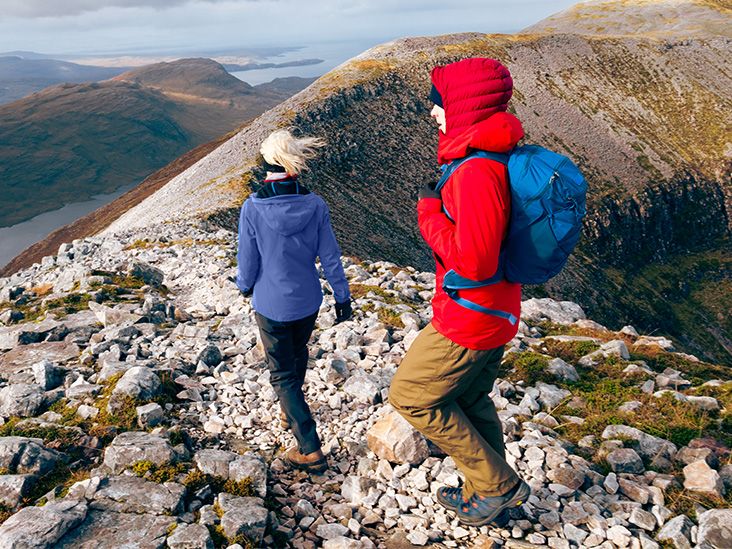
In the lofty heights of the Andes, climbers often talk about feeling lighter, not just in spirit, but also in body—a phenomenon they attribute to a strange interplay of altitude and physiology. New research sheds light on this unique experience: under low-oxygen conditions, red blood cells may act as a ‘glucose sink,’ absorbing far more glucose from the bloodstream than previously recognized. What does this mean for diabetic patients, and can simple treks in the mountains offer a pathway to better blood sugar control?
The Study That Changed Everything
A recent study from the Gladstone Institutes has ignited conversations among scientists and clinicians alike. Published in *Cell Metabolism*, the research reveals how red blood cells (RBCs) adapt to hypoxic environments—where oxygen levels are low—by dramatically increasing their glucose uptake. Senior author Dr. Isha Jain, an associate investigator at the Gladstone Institutes and associate professor at UCSF, explained, “When oxygen is scarce, red blood cells pull more glucose out of the bloodstream, acting as a buffer against blood sugar spikes.”
The implications are profound, particularly for those battling diabetes. The research team found that not only did the number of RBCs increase under low-oxygen conditions, but each cell also absorbed significantly more glucose. “Red blood cells metabolize glucose faster to produce 2,3-diphosphoglycerate, a molecule that enhances hemoglobin’s ability to release oxygen to tissues,” Jain added, indicating a two-pronged mechanism at play: increased numbers of RBCs and heightened glucose transport capabilities.
The Mechanisms Behind Glucose Regulation
- Increased RBC Count: Chronic hypoxia boosts the production of red blood cells, enhancing the body’s capacity to absorb glucose.
- Enhanced Glucose Transporter Activity: Under low-oxygen conditions, RBCs exhibit higher levels of glucose transporter type 1 (GLUT1), allowing more glucose uptake.
- Accelerated Metabolism: Hypoxic RBCs metabolize glucose quickly, reducing overall blood sugar levels.
This groundbreaking discovery offers new insights into why populations living at high altitudes often exhibit lower rates of diabetes. Jain and her colleagues conducted experiments on mice exposed to simulated high-altitude conditions. The results were astounding: blood glucose levels dropped significantly, and traditional glucose-consuming organs, like the liver and muscles, could not account for the missing sugar.
The Potential of High-Altitude Activity
Could activities like mountaineering or mountain trekking improve blood sugar control in individuals with type 2 diabetes? “While our study showed that hypoxia reversed hyperglycemia in mice, it’s crucial to determine how this translates to human physiology,” cautioned Jain. “There’s a complex web of factors influencing diabetic responses at altitude—diet, activity patterns, and genetics all play roles.”
As exhilarating as the idea may sound, patients with type 1 diabetes face unique challenges. These individuals often encounter hypoglycemia, a condition where blood sugar levels dip dangerously low. Jain pointed out that higher altitudes may exacerbate this condition, particularly during physical exertion. “It’s vital for individuals with type 1 diabetes to consult healthcare providers before embarking on high-altitude activities,” she urged.
Exploring New Therapeutic Approaches
The research does not merely highlight the benefits of natural hypoxia but also opens doors for pharmaceutical interventions. Jain and her team are exploring a small molecule known as HypoxyStat, designed to mimic the effects of low oxygen on hemoglobin, enhancing its binding capacity. Remarkably, in animal models, this drug also reversed hyperglycemia effectively, often outperforming existing treatments.
“Our findings suggest potential pharmacological approaches that do not require physical altitude exposure,” Jain noted, hinting at future possibilities for diabetes management worldwide. However, she expressed caution: “Before testing altitude-based therapies in humans, we need rigorous clinical trials to establish safety and efficacy.”
Noting emerging direct mechanisms, Jain concluded, “We’re on the brink of uncovering previously hidden connections between oxygen levels and glucose metabolism.” These revelations could eventually be life-changing for millions—especially those living with diabetes, seeking holistic and effective management strategies.
As the sun sets over the mountains, casting long shadows across the valleys below, the allure of high-altitude adventures remains. Yet for many with diabetes, the journey may soon evolve, driven by new scientific insights, leading to better management strategies without the need to brave the heights. Only time will tell if these findings will effectively translate from animal models into real-world therapeutic applications, forever altering the landscape of diabetes care.
Source: www.medicalnewstoday.com

