


CAR-T Therapy: A Revolutionary Leap in Cancer Treatment
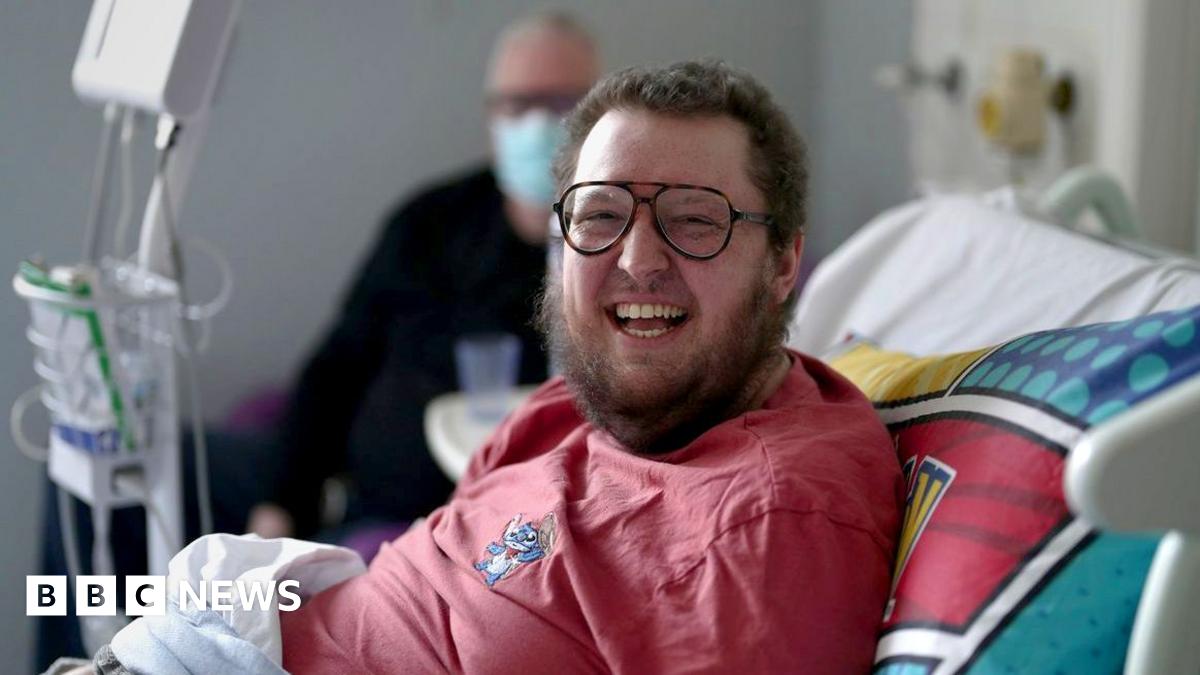
“It’s very sci-fi, but if it means it gets rid of the cancer permanently and my own cells can do it, it’s just fantastic,” said Oscar, a 32-year-old leukemia survivor, as he reflected on his recent CAR-T therapy treatment. Just yesterday, he underwent a second infusion of a staggering 300 million engineered T-cells, culminating his battle against B-cell acute lymphoblastic leukemia (B-cell ALL). Oscar’s groundbreaking journey encapsulates the hope and excitement surrounding a remarkable advancement in cancer treatment—CAR-T therapy, often deemed a “living drug.”
The Mechanics Behind CAR-T Therapy
The allure of CAR-T therapy lies in its innovative approach. Unlike traditional treatments that rely on external chemicals or radiation, CAR-T therapy involves a highly personalized treatment plan that harnesses the body’s immune system to fight cancer. The process begins with extracting T-cells from a patient’s blood, which are then genetically modified in a laboratory to better identify and attack cancer cells. This form of treatment has been particularly groundbreaking for patients like Oscar, whose cancer has proved resistant to conventional therapies.
What Makes CAR-T Therapy Unique?
- Living Drug: The modified T-cells remain in the body, continuing to replicate and combat cancer long after the treatment is administered.
- Precision Medicine: Each treatment is tailored specifically to the individual patient, enhancing efficacy.
- Long-Term Impact: Research indicates that patients may achieve deeper and more lasting remissions compared to standard therapies.
According to Dr. Jennifer Bradley, an oncologist at University College London, “The modifications made to the T-cells make them potent agents against cancer cells, and the fact that they can persist in the body offers a new hope for long-term remission.” A recent study published in the *Journal of Clinical Oncology* found that CAR-T therapy had an overall response rate of 83% in treated patients, which is a significant improvement over previous methods.
A Landmark Moment for the NHS
The National Health Service (NHS) initiated the rollout of this groundbreaking treatment manufactured by Autolus, a spin-out company from University College London. With a list price of £372,000 per infusion, the NHS has secured a confidential discount, making this state-of-the-art therapy more accessible to patients across England. Oscar, for example, is one of the first patients in England to receive the treatment, and he highlights the juxtaposition of medical marvel and financial challenge: “It’s life-changing, but I can’t help but think about the costs involved.”
Wider Availability and Future Implications
Initially available at select centers in Cambridge, Newcastle, Sheffield, Plymouth, and London, the therapy will cater to patients over the age of 26 whose B-cell ALL has either returned or failed to respond to prior treatments. It is important to note that patients from Wales and Northern Ireland will need to travel to England for this groundbreaking therapy, and approval in Scotland is still pending.
“This is a landmark moment for people facing aggressive blood cancers; it offers a new lease on life,” stated Prof. Peter Johnson, NHS National Clinical Director for Cancer. “The fact that this treatment is rooted in scientific research conducted here in the UK adds to its significance. It will help more people like Oscar live longer and healthier lives.”
The Future of CAR-T Therapy
Interestingly, NHS England estimates that around 50 patients annually will benefit from CAR-T therapy. However, experts like Dr. Maria Tholouli, a prominent hematologist, believe that this number could be conservative. “With ongoing research and advancements, I foresee CAR-T becoming more mainstream, possibly serving as a first-line treatment over traditional stem cell transplants in the near future,” she explained. This sentiment underscores a transformative shift in the landscape of cancer care.
Challenges and Considerations
Despite the optimism, CAR-T therapy is not without its challenges. The intense manufacturing process, leading to long wait times for patients, and the complexity of the treatment means it is not yet universally available. Furthermore, the high-cost barrier remains a concern for healthcare systems worldwide. As research progresses, navigating these challenges will be crucial for widespread adoption.
As Oscar completes his treatment, he reflects on the emotional and physical toll of the procedure. “I feel hopeful but also nervous. It’s a new chapter in my life,” he said. His experience brings to light the intricacies of living with cancer, emphasizing a narrative of resilience and hope in the face of adversity. With each passing day, Oscar’s story illustrates not just the potential of CAR-T therapy, but also the broader implications it holds for the future of oncology.
As advancements in immunotherapy continue to reshape the landscape of cancer treatment, the journey toward finding a permanent solution for B-cell ALL remains fraught with challenges. However, individuals like Oscar embody the hope that with sustained research, innovation, and commitment, a future free from cancer may not be as distant as we once thought.
Source: www.bbc.co.uk

