


Environmental Exposures May Be Fueling Rising Rates of Early-Onset Colorectal Cancer
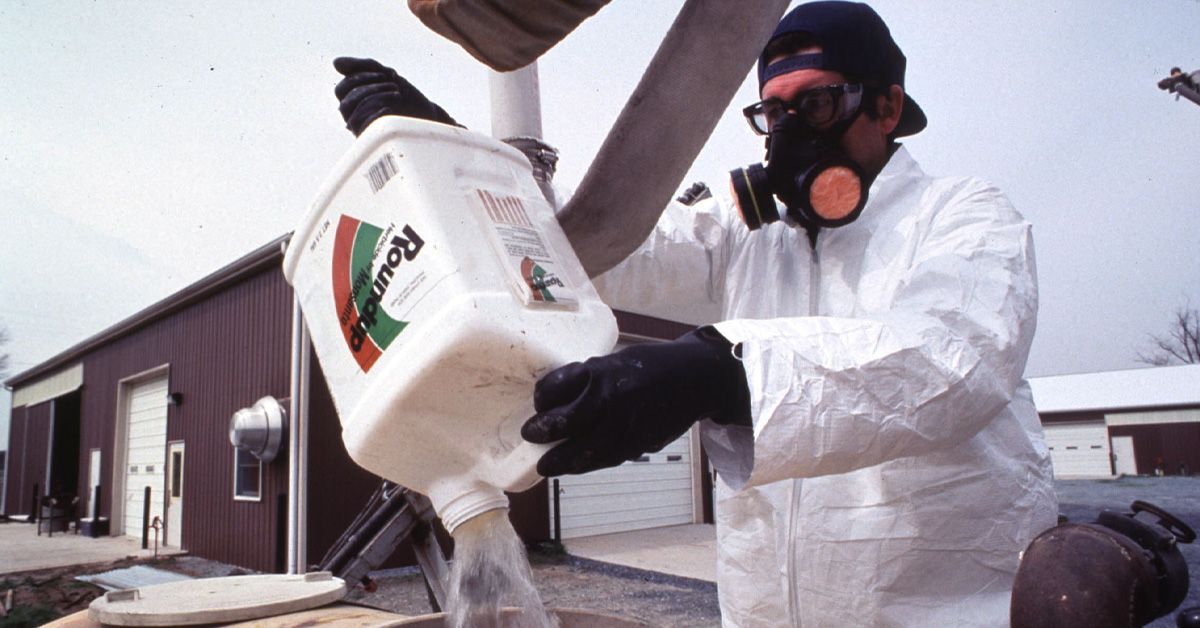
Under the golden rays of the sun, a farmer meticulously sprays his crops with a potent herbicide, unaware that his actions might be echoing far beyond the fields. Recent research has linked the agricultural chemical picloram to a troubling rise in early-onset colorectal cancer, a disease traditionally associated with older adults but now afflicting more individuals under 50 at an alarming rate. As the U.S. grapples with a public health crisis, the connection between chemicals in our environment and health outcomes is becoming increasingly clear.
Understanding Early-Onset Colorectal Cancer
Colorectal cancer, once perceived as a disease primarily impacting older adults, has witnessed a disturbing trend; the incidence among younger individuals has surged by 1.4% annually. According to recent statistics, one in five colorectal cancer diagnoses now occurs in those under 55, rendering it the leading cause of cancer-related deaths in this demographic.
Despite the gravity of this health crisis, the underlying causes remain poorly understood. The term “exposome”—referring to a comprehensive catalog of a person’s lifetime environmental exposures—has prompted researchers to explore how various life experiences might influence disease development and progression. In a groundbreaking study published in Nature Medicine, a team from the Vall d’Hebron Institute of Oncology (VHIO) sought to reveal how environmental and lifestyle factors, particularly the use of picloram, might contribute to this trending epidemic.
The Role of Epigenetics
Epigenetics, the study of changes in gene expression that do not involve alterations to the underlying DNA sequence, provides a novel perspective on the relationship between the exposome and colorectal cancer. The VHIO researchers focused on DNA methylation patterns, known to be influenced by environmental factors, to create epigenetic risk scores that reflect exposure to carcinogenic substances.
Key Findings from the Research
- Confirmed known risk factors: The study reaffirmed the contributions of tobacco use and dietary patterns to the disease.
- Link with picloram: Surprisingly, the research indicated a novel relationship between high levels of picloram use and increased cases of early-onset colorectal cancer.
- Geographic disparities: Population data revealed that counties with significant picloram application reported higher rates of early-onset colorectal cancer, even when socioeconomic factors were considered.
Lead author Dr. José Seoane, who heads the VHIO Computational Biology Group, emphasized, “We are building a historical narrative through the lens of epigenetics—essentially a timeline of how various exposures have influenced tumor development.” This innovative approach allows researchers to elucidate the role of cumulative environmental interactions in disease progression.
The Surprising Association with Picloram
Initially registered in the 1960s, picloram has not previously been linked to carcinogenic effects, making its association with early-onset colorectal cancer particularly compelling. Seoane noted, “The more traditional pollutants, like glyphosate, were expected in our analyses; picloram’s significant role was an unforeseen finding.” After correlating municipal cancer incidence data with pesticide usage across the U.S., picloram emerged as the most significant factor, warranting further investigations.
However, Seoane cautioned against hasty conclusions. “While we see these associations, causation remains to be established,” he stated. This nuance underlines the need for exhaustive longitudinal studies to corroborate whether picloram directly contributes to colorectal cancer development.
Implications for Public Health
The study underscores a pivotal shift in understanding the origins of early-onset colorectal cancer. According to health expert Dr. Maria Thompson, “As our life experiences accumulate, so too do our risks—whether through diet, smoking, or environmental exposures like pesticides.” This realization could propel public health policies aimed at improving preventive strategies by targeting modifiable risk factors.
Potential Strategies for Prevention
- Awareness campaigns promoting healthier dietary choices are crucial.
- Public health initiatives should advocate for smoking cessation.
- Stricter regulations on pesticide use may be required pending further validation of the findings.
Addressing these issues early could significantly impact future cancer rates among younger populations and reshape the scope of preventive healthcare.
In this changing landscape of colorectal cancer epidemiology, identifying environmental triggers like picloram signifies a leap towards customizable prevention strategies. Dr. Seoane remains hopeful: “Ultimately, our mission is to reframe the narrative around cancer risk. Many exposures are indeed modifiable, and we must raise awareness to reduce risk effectively.” As researchers continue to explore the intricate interplay between the exposome and cancer, the mounting evidence serves as a clarion call for communities and policymakers alike, advocating for a proactive approach in mitigating cancer’s heavy toll on younger generations.
Source: www.medicalnewstoday.com

