


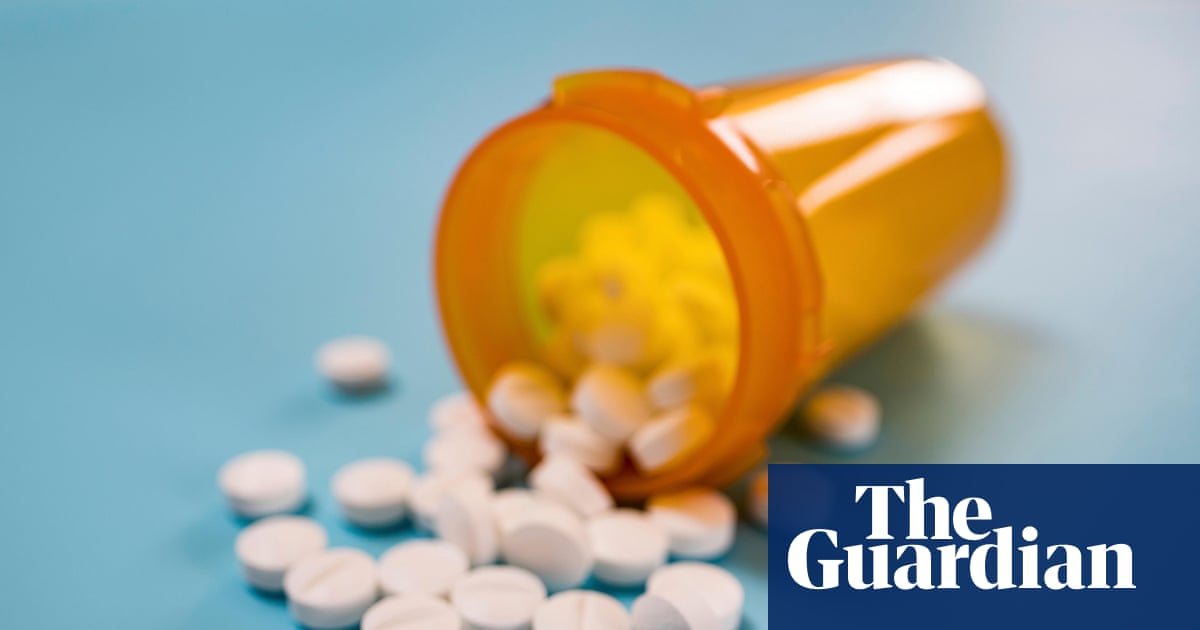
Experts Warn of Rising Threat from Counterfeit Weight-Loss Pills
As the sun sets over London, the streets buzz with conversations about the latest dieting trends. In quiet corners of pubs and cafés, whispers of a new miracle pill fill the air—an alchemy of convenience and weight loss that could change lives. But behind this enticing allure lies a dark underbelly, where fraudsters are poised to exploit the rising demand for effective weight-loss solutions. Experts are voicing serious concerns that the introduction of oral forms of popular medications, currently available via costly injections, could lead to an explosion of counterfeit products that threaten public health.
The Allure of a Pill
Pharmaceutical giants are currently racing to capitalize on the soaring interest in medications like Wegovy and Mounjaro, renowned for their capacity to help users lose significant body weight. With trials demonstrating average body weight reductions of about 14% and 20% respectively after 72 weeks, these injections have transformed the dieting landscape. However, the inconveniences tied to these treatments—cost, the need for refrigeration, and the technicalities of injections—have fueled demand for alternatives.
Recently, the FDA approved a tablet form of Wegovy, while other medications are undergoing the final leg of trials. With oral versions expected to be more affordable and easily accessible, experts warn that these developments may also make counterfeiting operations thrive.
The Counterfeit Risk
“Pills are much easier prey for scammers than injectables,” states Professor Bhavik Patel from the University of Brighton, highlighting the relatively simple equipment required to produce counterfeit tablets. “All that’s needed is some mixing apparatus and a pill press, which can lead to vast and unauthorized production.”
- Increased demand for weight-loss solutions.
- Higher profit margins for counterfeiters.
- Accessibility of raw materials and production equipment.
Dr. Bernard Naughton, an associate professor at Trinity College Dublin, elaborates on the precarious situation: “We’ve already seen incidents of falsified injections. Transitioning to tablets opens the door wider for imitators. Pills can be contaminated, contain unverified dosages, or even lack active ingredients.” He cites studies showing that patients are often more inclined to take risks when it comes to oral medications. “It’s alarming how many still proceed with purchases, even when red flags emerge,” he says.
The Market Landscape
The UK’s Medicines and Healthcare products Regulatory Agency (MHRA) has been on high alert, issuing repeated warnings as the demand for weight-loss jabs has outpaced the regulation supply. Associate Professor Oksana Pyzik from UCL emphasizes this challenge: “While new oral GLP-1 medications might broaden accessibility, they also broaden opportunities for fake medications.”
Indeed, illicit online marketplaces have started to thrive—an October raid in Northampton revealed over £250,000 worth of counterfeit jabs, linked to the unapproved drug retatrutide. In that episode, the MHRA was unable to disclose ongoing investigations, yet reports showed that the counterfeiters had swiftly returned to advertising on platforms like Telegram.
Monitoring and Regulation
Ensuring the integrity of medications in a rapidly evolving market is becoming increasingly complex. Eli Lilly and Novo Nordisk are taking proactive measures to combat counterfeiting, including implementing stringent online monitoring strategies and collaborating with regulatory authorities to track supply chains. However, experts like Andy Morling, deputy director of enforcement at MHRA, caution that without continued vigilance, the threat to public health could escalate.
“We are working tirelessly to identify and eliminate unauthorized and falsified medicines,” he explains. “However, the rise of social media and online marketplaces complicates our efforts to protect consumers.”
Coping with Counterfeit Challenges
So, what can consumers do to safeguard against counterfeit medications? Dr. Naughton suggests several proactive measures:
- Only purchase from certified online pharmacies.
- Look for clear labeling and contact details for the manufacturer.
- Consult healthcare professionals before starting any new treatment.
Pyzik echoes the importance of education, arguing for robust public health campaigns aimed at informing potential patients about the risks associated with online purchasing. “We’re witnessing a shift from imported counterfeit products to increasingly sophisticated domestic operations,” she says. “This illustrates a regulatory gap that needs urgent addressing.”
The Road Ahead
As the pharmaceutical landscape continues to evolve with new formulations, the regulation system must adapt in pace to keep counterfeiters at bay. With some counterfeit operations reportedly remerging almost immediately after shutdowns, those responsible now face a system of hesitation that lacks effective consequences. This precarious state emboldens criminals, creating a perilous cycle that places public safety at risk.
Among the solutions proposed, bolstered verification systems for online purchases and public health campaigns targeting diverse motivations for acquiring medications online could prove beneficial. Naughton calls for comprehensive awareness initiatives aimed at different age groups and socioeconomic backgrounds, emphasizing that while online medications can be lifesavers, vigilance is paramount.
While the new pill forms of weight-loss medications promise enhanced accessibility, they also cradled risks that require immediate attention. As enthusiasts rally behind the prospect of easier weight-loss solutions, the onus is on society, regulators, and pharmaceutical companies to ensure that hope does not become a vehicle for fraud. The very future of public health may depend on it.
Source: www.theguardian.com

