


Mandatory Legislation for Baby Food: A Critical Call for Reform
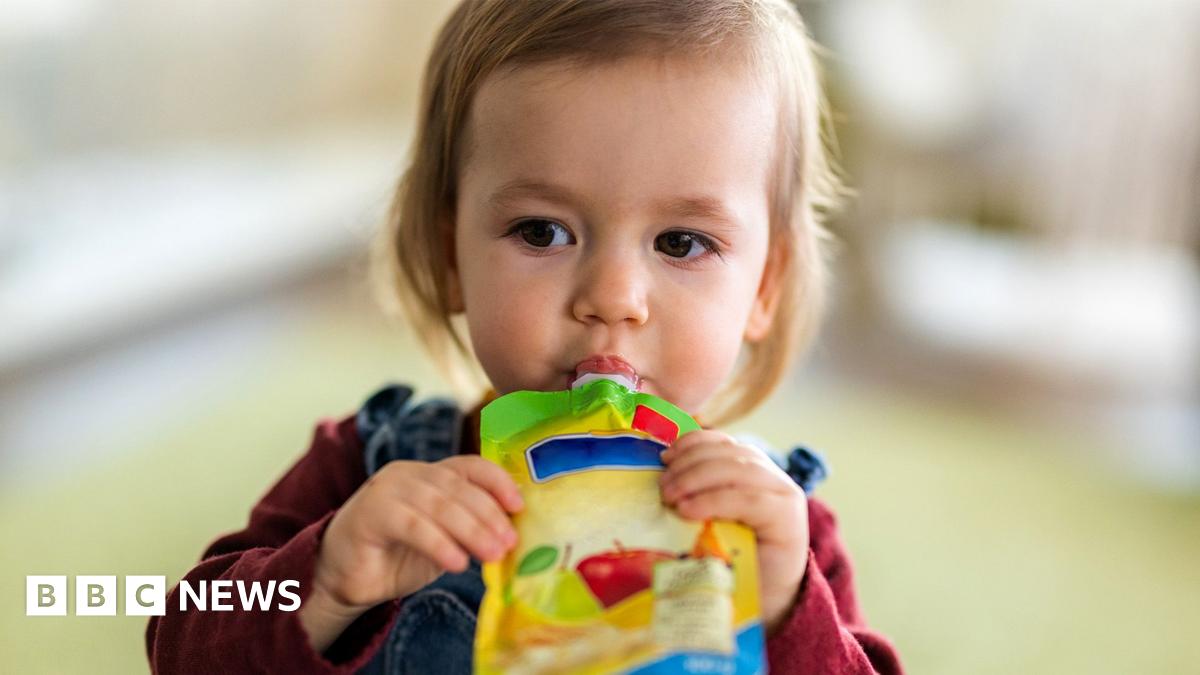
In a bright London hospital, the peaceful sound of a newborn’s cooing is interrupted by a sharp reality: a mother, tearfully explaining her concerns, unravels a nearly empty pouch of baby food laden with sugar and preservatives. “This was marketed for my four-month-old,” she says, dismayed, “How is this good for him?” Such moments, increasingly common, have ignited a fiery debate among health professionals, regulators, and parents alike about the adequacy of baby food regulations in the United Kingdom.
The Outdated Framework of Baby Food Regulations
The last major update to the UK’s baby food regulations occurred in 2003, a time when pouches and other modern conveniences had not yet dominated the market. According to Dr. Fiona Tedstone, a leading nutritionist at Public Health England, the existing guidelines not only fail to provide adequate nutritional standards but also lack robust mechanisms to prevent misleading marketing. “We need a legislative framework that truly protects our babies,” she insists. “Without mandatory legislation, companies will not change their practices.”
Unpacking the Nutritional Gaps
Campaigners argue that the current regulations are simply too lenient. They allow baby food manufacturers to market products to infants as young as four months, despite mounting evidence linking early exposure to sugary options with long-term health issues. A study from the University of Birmingham found that over 60% of commercially available baby foods contained added sugars, raising serious questions about their appropriateness for such vulnerable consumers.
- Over 60% of baby foods tested contained added sugars.
- Many popular products exceed safe levels of certain additives.
- Critics argue marketing strategies are misleading to parents.
“It’s not just about the immediate effects on health,” warns Dr. Sanjaya Wickramasinghe of the World Health Organization. “The long-term costs of childhood obesity and associated illnesses are staggering, both for families and the NHS.” He emphasizes that without strong regulations, the industry will continue to prioritize profit over children’s health.
The Call for Government Action
In response to the growing outcry, the UK government has so far reacted with a mix of resistance and reassurance. While the Department of Health and Social Care maintains that existing laws safeguard the safety and quality of baby foods, critics assert that they fall woefully short of addressing current market realities. “Voluntary guidelines were drafted by Public Health England in 2020,” states Tedstone, “but they have sat unused by both Conservative and Labour administrations. This is unacceptable.”
Industry Reactions and Responsibilities
Some industry representatives, like those from Lidl and Little Freddie, express hope for clearer regulations. “We welcome any steps the government takes to ensure standards that protect our youngest consumers,” a Lidl spokesperson remarked. However, not every brand shares the same urgency. Ella’s Kitchen, a household name, proclaimed that it “would never put profit above children’s health,” yet critics doubt whether these assurances can replace the need for binding regulations.
“As long as these companies can operate under voluntary guidelines, they will continue to resist meaningful change,” Dr. Wickramasinghe warns. “They will always present arguments against regulation, citing costs and logistical challenges.” But the true cost of inaction, he argues, remains unquantified and profoundly concerning.
Possible Outcomes of Legislative Change
Advocates for mandatory legislation argue that clear, enforceable regulations could significantly enhance the safety and nutritional quality of baby foods. Potential benefits of such reforms include:
- Improved nutritional standards that align with developmental needs.
- Stricter advertising regulations to prevent marketing high-sugar products to infants.
- Increased transparency regarding ingredient sourcing and manufacturing processes.
Leading public health experts believe that the reformation of regulations could drastically reduce the incidence of childhood obesity. According to a recent study by the British Journal of Nutrition, aligning baby food guidelines with current health standards could lead to a 20% decrease in obesity rates among children under five within a decade.
The Human Cost of Inaction
As parents navigate the supermarket aisles filled with brightly colored baby food pouches, their choices may have lasting implications. “Many families rely on convenience due to time constraints,” explains Dr. Tedstone. “If the options available are not appropriate or healthy, we risk setting children on a path to lifelong health issues.”
In this landscape of conflicting interests—between public health priorities and corporate profit—many hope that the UK government will heed the call for reform. The silence from decision-makers in Westminster is increasingly deafening. For every tearful mother recounting her worries, there exists a pressing case for mandatory legislation that prioritizes the health of future generations over transient profits. It is time for the infant food industry to be held accountable, not merely by promises, but by the weight of law.
Source: www.bbc.co.uk

