


Prevalence of Health Conditions Among UK Consumers
As the sun dipped below the horizon, Emma, a 34-year-old teacher from Manchester, reflected on her daily struggles during a walk in the park. “I never thought I’d spend my thirties managing multiple health conditions,” she confided, her voice both wistful and resolute. Emma is among a growing number of young adults in the UK navigating a complex landscape of health challenges, as recent survey findings shed light on the state of wellbeing across the nation.
Survey Insights on Health Conditions
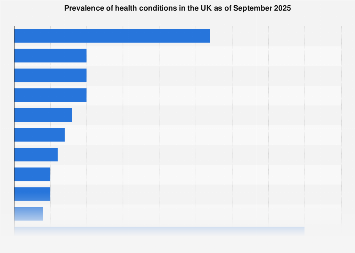
A comprehensive online survey conducted in 2025 with 6,176 consumers revealed startling insights into the prevalence of health conditions among UK residents. At the forefront of these findings is the striking dominance of anxiety, which took the top spot as the most reported health condition, affecting nearly 30% of respondents. Conversely, less common yet still significant, osteoporosis ranked at the bottom of the prevalence scale, reported by only 5% of participants.
The Anxiety Epidemic
According to Dr. Sarah Thompson, a clinical psychologist specializing in mental health, the rise in anxiety disorders correlates with a myriad of societal pressures. “The pandemic has exacerbated feelings of uncertainty and stress. Younger generations, in particular, are struggling with the weight of expectations in an increasingly competitive world,” she stated.
- Factors Contributing to Anxiety:
- Social media pressures
- Job market uncertainty
- Post-pandemic mental health fallout
- Common Symptoms:
- Persistent worry
- Sleeping difficulties
- Physical health issues, including fatigue
The survey indicates that while anxiety holds the top position, it is crucial to understand the context surrounding this mental health struggle. Research by the UK Mental Health Foundation suggests that the integration of mental health education in schools might bridge the gap in awareness and accessibility of resources, potentially mitigating some of these pervasive issues.
Physical Health Concerns
On the other end of the spectrum, osteoporosis, affecting only 5% of those surveyed, might seem less pressing. However, experts warn against dismissing its significance. Dr. James Layton, an osteopath and public health advocate, emphasized, “While osteoporosis is not as visible, its consequences can be devastating, especially for older adults. Prevention and awareness are key.” A study from the National Institute for Health Research highlighted that early detection and lifestyle changes could significantly reduce the risk of fractures in older populations.
A Closer Look at Other Prevalent Conditions
Beyond anxiety and osteoporosis, the survey illuminated a range of health conditions affecting the UK populace:
- Diabetes: Affects about 8% of respondents, reflecting rising obesity rates.
- Hypertension: Reported by approximately 12%, often linked to lifestyle choices.
- Depression: Noted by 15%, further emphasizing the need for accessible mental health services.
Each of these conditions carries implications not just for individuals, but for society at large. In his analysis, Professor Mark Jacobs, an epidemiologist at the University of London, stated, “The intersection of physical and mental health is becoming increasingly evident. Chronic health conditions often coexist with mental health issues, amplifying their impact on quality of life.” His longitudinal studies have underscored the importance of holistic approaches in treating patients.
The Role of Lifestyle Choices
While genetics and environment play a role in health conditions, lifestyle choices can significantly influence outcomes. A 2023 study published in the Journal of Public Health found a strong correlation between sedentary lifestyles and the rise of both anxiety and obesity-related conditions. To combat this, many health professionals advocate for comprehensive lifestyle interventions that promote balance in physical activity, nutrition, and mental wellbeing.
“It’s not just about managing symptoms; it’s about creating a sustainable lifestyle,” said Dr. Thompson, reflecting an evolving ethos in the health community. The emphasis is shifting towards prevention and proactive health management.
The Future of Health in the UK
The survey’s findings compel a reassessment of priorities within public health policy. Calls for enhanced mental health resources and preventative care have become increasingly urgent. Innovative programs like community health workshops and mobile health applications are gaining popularity, indicating a shift towards more accessible healthcare solutions tailored to individual needs.
Despite the daunting statistics, there’s a growing resilience among consumers. Emma’s journey highlights this spirit as she engages with her community to advocate for mental health awareness. “I want to be part of the solution,” she affirmed, embodying a collective determination to create change.
As the landscape of health continues to evolve, the spotlight on both mental and physical conditions will be essential in shaping future health policies. The road ahead may be challenging, yet the interconnectedness of personal and societal health reveals a pathway towards a more informed and healthier nation.
Source: www.statista.com

