


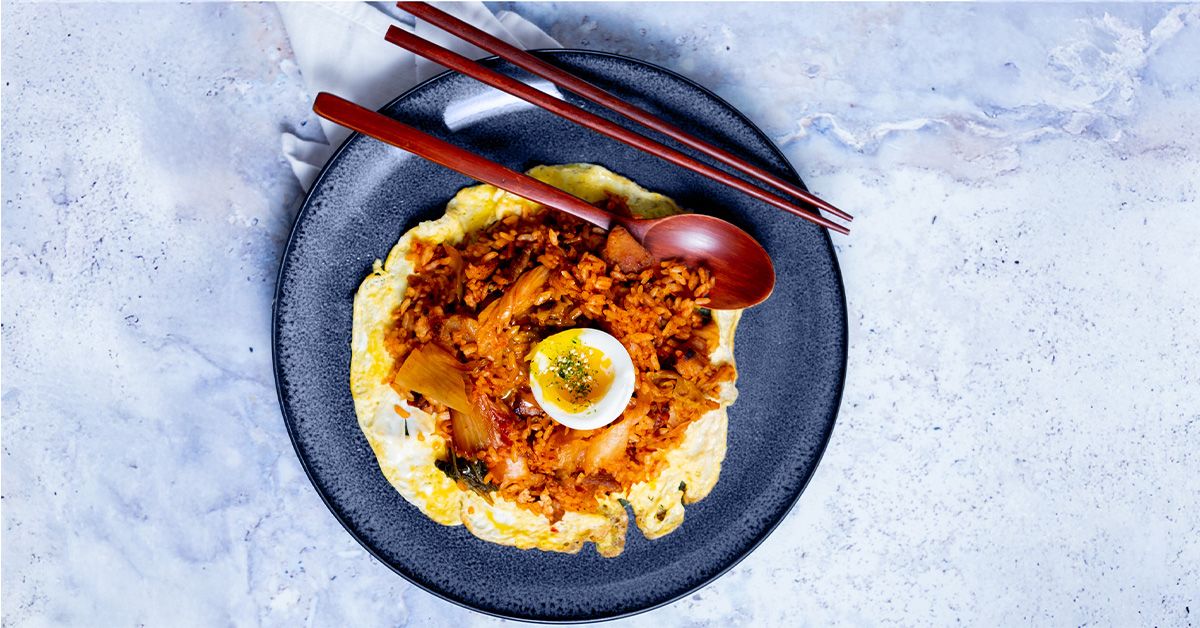
Eating Kimchi Daily Could Have Properties Beyond Improved Gut Health
In a bustling Seoul marketplace, the air is thick with the savory aroma of spices and fermented vegetables. Between stacks of fresh produce and bustling stalls, a vendor skillfully prepares kimchi, a staple of Korean cuisine. This vibrant dish, with its kaleidoscope of colors, does not merely tantalize the taste buds; it has captured the attention of scientists and health enthusiasts worldwide. A recent clinical trial suggests that the benefits of kimchi extend far beyond improved gut health, delving deep into the arena of immune function—a revelation that could reshape dietary recommendations.
Kimchi’s Hidden Powers Uncovered
The World Institute of Kimchi recently unveiled groundbreaking findings from a study published in npj Science of Food, showcasing how daily kimchi consumption may bolster the immune system. This study is particularly noteworthy as it pioneers an examination of kimchi’s immunological effects at a cellular level. For 12 weeks, 13 adults with overweight issues participated in a clinical trial divided into three distinct groups. Each group consumed either a placebo, kimchi powder from naturally fermented kimchi, or kimchi powder fermented with a starter culture.
Michelle Routhenstein, MS, RD, CDCES, CDN, a Preventive Cardiology Dietitian at Entirely Nourished, remarked on the study’s implications: “After consuming kimchi daily, immune cells exhibited enhanced recognition of potential threats, signaling other immune cells to function more effectively. While the sample size is small, these findings encourage the inclusion of fermented foods like kimchi in one’s diet to support immune health.”
A Precision Regulator of the Immune System
The research revealed that kimchi positively influences antigen-presenting cells (APCs)—the sentinels of the immune system that identify external threats such as bacteria and viruses. In this regard, kimchi acts not only as a stimulant of the immune system but also as a “precision regulator.” This dual action helps enhance the defense capabilities of the immune system when needed while tempering unnecessary and excessive responses.
“Most immune cells reside in the gut, making the connection between fermented foods and immune health quite intuitive,” Routhenstein continued. Further supporting evidence comes from a 2016 review that highlighted how regular kimchi consumption fosters the growth of immune cells. Similar findings regarding other fermented foods such as sauerkraut bolster the case for dietary shifts towards these traditional foods.
The Role of Nutrition in Immunity
Understanding the immune system’s role is crucial in the quest for overall health. It serves as the body’s defense against harmful substances, abnormal cell changes, and pathogens. Its key functions include:
- Recognizing and neutralizing harmful environmental substances
- Combatting disease-causing internal changes, like cancer cells
- Eradicating pathogens such as bacteria, viruses, parasites, and fungi
A strong immune system is vital not just for warding off infections but also for preventing chronic inflammation and autoimmune disorders. “A resilient immune system is essential for maintaining holistic health,” stated Kristin Kirkpatrick, MS, RDN, President of KAK, Consulting, LLC. “It influences every aspect of our well-being, far beyond the common cold and flu.”
Nourishing the Immune System
Nutrition plays a pivotal role in modulating immune function, highlighting the importance of a well-balanced diet. “What we ingest can either promote or impede inflammation, which directly affects immune health,” Routhenstein explained. Other lifestyle factors that can strengthen the immune system include:
- Regular exercise, which enhances immune cell performance and reduces inflammation
- Quality sleep, vital for producing infection-fighting cells and antibodies
However, Kirkpatrick cautioned against the term “boosting” the immune system, advocating instead for “supporting” it. “The idea is not to hyper-stimulate the immune system but to ensure it has the resources required to function optimally,” she explained. Limiting ultra-processed foods and added sugars is equally crucial in this endeavor.
Kimchi’s Cultural Significance
While these scientific discoveries are compelling, it is essential to remember kimchi’s rich cultural tapestry. Originating thousands of years ago as a method of vegetable preservation, kimchi has transcended its role as merely a side dish. It is intertwined with Korean heritage, embodying community, tradition, and familial bonds. In modern times, it has found an audience far from its roots, embraced in diverse culinary landscapes.
As Western cultures increasingly recognize the value of fermented foods, kimchi enjoys a burgeoning reputation as a superfood, touted not just for its flavor but for its healing properties as well.
Emerging evidence positions kimchi not merely as a dietary staple but as a potent ally in health. As researchers dive deeper into the complex relationship between our gut microbiota, fermentation, and immune response, the story of kimchi evolves into one of both scientific intrigue and culinary identity. The global palate is not just consuming kimchi; it’s partaking in a tradition that echoes through centuries while simultaneously forging pathways toward improved health. As we continue to explore the nexus of diet and immunity, the humble ferment remains a beacon of resilience and vitality.
Source: www.medicalnewstoday.com

