


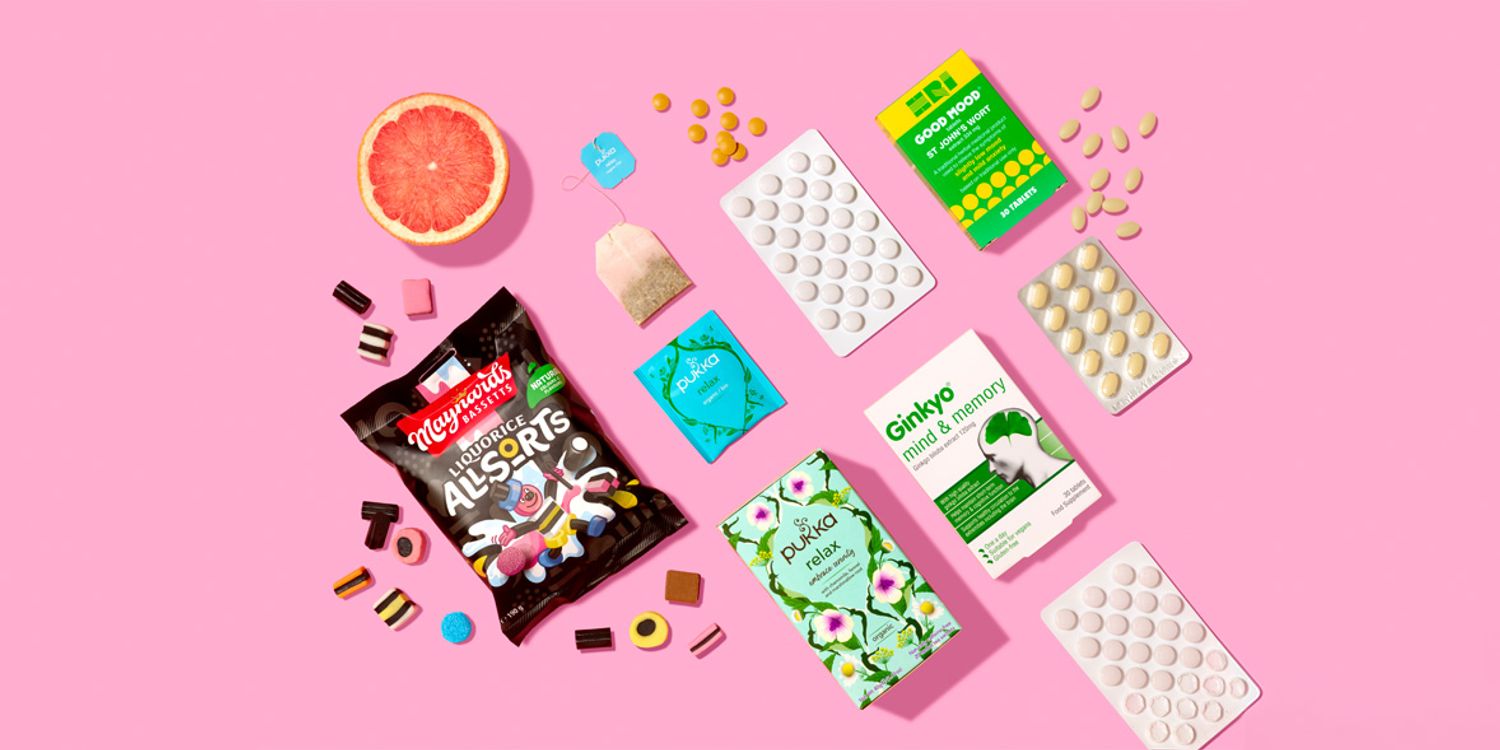
Some food and drink can interact with certain medications, but many people aren’t aware of the potential risks.
In a bustling café in London, Sarah, a 62-year-old retiree, innocently sips her morning grapefruit juice, unaware that her daily ritual could have serious implications for her health. “I’ve taken my blood pressure medication for years and never thought twice about what I consumed with it,” she reflects, a mix of confusion and concern in her voice. Sarah’s story is not unique; many people are oblivious to the intricate relationship between common foods and their prescribed medications. As dietary choices become increasingly complex, the potential risks of food-drug interactions loom larger than ever.
Understanding Food-Drug Interactions
Professor Claire Anderson, president of the Royal Pharmaceutical Society, emphasizes the weight of these interactions. “Pharmacists are experts in medicines and can offer tailored advice to ensure you’re taking your medicines safely and effectively,” she states. While most people are diligent in following dosing instructions for their medications, many overlook the potential impact of what they eat or drink. Over 50% of individuals on medication may experience food-drug interactions, according to recent studies conducted by the Institute of Medical Sciences.
Top Offenders
Food and drink can alter how medications function, whether by heightening their effects or blocking their absorption. Below are some notorious items that can interact unfavorably with prescription drugs, highlighting the need for vigilance:
- Grapefruit Juice: This seemingly innocuous breakfast staple contains compounds that inhibit the enzyme CYP3A4, which is crucial for metabolizing many medications. As a result, drugs like statins and anticoagulants can linger in the body longer than intended, leading to an increased risk of side effects.
- Liquorice: Often found in confections and herbal teas, liquorice can elevate blood pressure and deplete potassium levels. “Many don’t realize that liquorice is hidden in various foods,” warns Dr. Angela Morris, a leading nutritional scientist. “Excessive intake can drastically affect those on blood pressure medications.”
- Herbal Supplements: While hailed for their natural benefits, certain herbal products like St. John’s Wort can significantly impact the effectiveness of medications, especially antidepressants. “Many supplements aren’t thoroughly vetted,” emphasizes Dr. Samuel Zheng, a pharmacologist. “Patients must consult healthcare providers before mixing them with medications.”
Alcohol: A Common Pitfall
Alcohol is widely recognized as a potential danger when mixed with medication. Excessive drinking can lead to diminished efficacy or heightened toxicity of numerous drugs. For instance, individuals on statins are advised to limit their alcohol intake to 14 units per week to prevent liver complications. “It’s crucial to understand that alcohol does not just amplify the side effects of medications; it can alter the medication’s very effectiveness,” notes Dr. Lydia Fennell, a clinical toxicologist.
Aged Cheeses and MAOIs
For patients prescribed monoamine oxidase inhibitors (MAOIs), the sins of indulgence can lead to severe repercussions. These medications hinder the breakdown of tyramine, a compound found in aged cheeses like parmesan and blue cheese. Consuming these products can trigger hypertensive crises, a critical rise in blood pressure that could be life-threatening. “Patients must be educated on dietary restrictions when starting upon MAOIs,” insists Dr. Rachel Navarro, a psychiatrist specializing in mental health medication.
Herbal Teas: Not Always Harmless
Even widely accepted beverages like herbal teas can pose risks. Many blends contain ingredients that can counteract or enhance medication effects. For example, green tea has been shown to interact adversely with certain cardiovascular drugs. “Consumers often treat herbal teas as benign, but they can have potent effects on medication metabolism,” says Dr. Laura Winfield, a nutritional epidemiologist.
The Need for Awareness
The world of food-drug interactions is intricate and often underestimated. As medication regimens become more prevalent, awareness is critical. Patients like Sarah need to advocate for their health by seeking out tailored advice from healthcare professionals and Pharmacy experts.
Understanding food-drug interactions is essential not only for preserving individual health but also for improving public health outcomes as a whole. Correctly used, medications can empower individuals to lead healthier lives. However, a simple oversight in dietary choices could undermine those efforts—potentially leading to severe consequences.
In this ever-evolving landscape of health and wellness, diligence is key. As Sarah reflects on her grapefruit juice habit, it serves as a poignant reminder that knowledge is vital. Seeking guidance, staying informed, and engaging in open conversations with healthcare providers are essential steps in ensuring safe and effective medication use.
Source: www.which.co.uk

