


Fibroids and Heart Disease: A Hidden Health Crisis
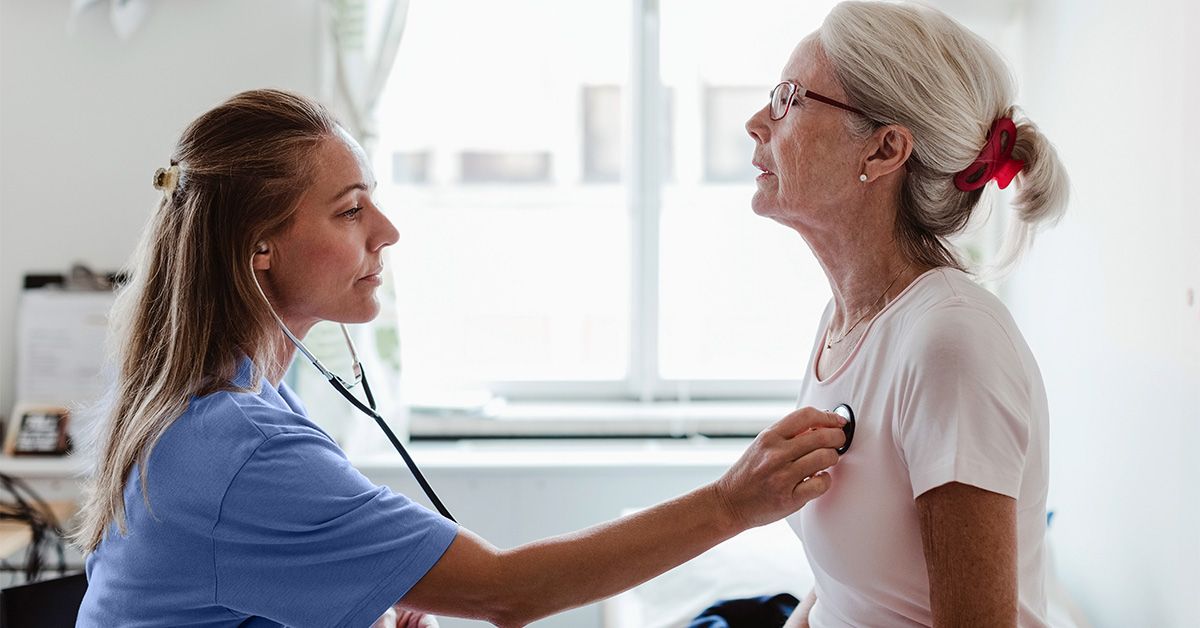
In a dimly lit clinic room, Sarah, a 35-year-old mother of two, sits nervously fidgeting with her fingers. Diagnosed with uterine fibroids at 32, she has endured years of heavy periods and debilitating pain. As Sarah reluctantly admits to her doctor that she’s also been feeling increasingly fatigued and having unexplained chest pains, a troubling connection begins to form. Recent research suggests that women like Sarah, living with uterine fibroids, may be at a substantially higher risk for serious heart disease.
The Research Breakthrough
A groundbreaking study conducted by researchers at the Perelman School of Medicine at the University of Pennsylvania has revealed that women with uterine fibroids face an alarming 81% increased risk of developing atherosclerotic cardiovascular disease compared to those without the condition. This extensive research analyzed data from nearly 450,000 women diagnosed with fibroids against over 2.25 million of their fibroid-free counterparts, all within the age range of 18 to 50 years.
During the study, the participants were meticulously monitored for up to ten years or until they experienced their first cardiovascular event, such as a heart attack or stroke. The findings were striking: approximately 6.5 cardiovascular events occurred per 1,000 person-years in the fibroid group, compared to about three events in the control group.
Statistical Insights
- Over a year, women with fibroids experienced a significantly heightened risk of cardiovascular issues.
- After ten years, their risk reached 5.4%, compared to 3% for those without fibroids.
- Women under 40 showed a more than threefold increase in risk.
Dr. Laura Bennett, a cardiologist not directly involved in the research, emphasized the implications of the study. “This research underscores a critical need for us to reassess how we view fibroids—not merely as localized issues but as potentially systemic problems that can affect overall health,” she stated. The results challenge the conventional wisdom that fibroids solely impact reproductive health and highlight the urgency for more comprehensive medical assessments.
The Underlying Connection
While the study does not claim direct causation between fibroids and heart disease, it raises significant questions about the underlying mechanisms at play. Dr. Barbara Levy, Chief Medical Officer at Visana Health, has suggested that inflammation might be a common thread linking the two conditions. “Systemic inflammation is a known predisposing factor for both uterine fibroids and cardiovascular disease,” she explained.
However, Dr. Levy cautioned against jumping to conclusions. “It is essential to recognize that while fibroids may not directly cause heart disease, they could share common inflammatory pathways,” she added. The nuanced interplay of these factors calls for an urgent need for future research to dissect the complexities behind this association.
Women’s Health Considerations
This burgeoning understanding of the fibroid-heart disease link brings forth critical implications for women’s health. Dr. Natalya Danilyants, a gynecological surgeon, advocates for a more proactive approach to treating fibroids. “Many healthcare providers underestimate the systemic impact of fibroids. Women deserve to be informed about how their health conditions could affect more than just their reproductive systems,” she asserted.
To mitigate inflammation and associated risks, both Dr. Levy and Danilyants recommend focusing on holistic health improvements. Key lifestyle adjustments might include:
- Incorporating anti-inflammatory foods into the diet
- Engaging in regular physical activity
- Ensuring adequate sleep and stress management techniques
Rethinking Treatment Strategies
The study’s revelations are pushing the boundaries of how fibroid treatment is perceived. Traditionally viewed as elective, many experts argue that fibroid removal should be considered a vital component of preventive healthcare. “It’s about time we start viewing fibroid treatment not as optional but essential for comprehensive health management,” Danilyants stated. This paradigm shift is crucial as more women seek interventions not just for relief from symptoms but also for the broader implications of their health.
As Sarah continues her journey in understanding her health, she reflects on the importance of comprehensive care. The fear of heart disease now adds another layer of complexity to her struggle with fibroids, reinforcing the need for more informed discussions around women’s health in medical communities. Striving for answers amid uncertainty, her story becomes a testament to the urgency of addressing this hidden health crisis.
Source: www.medicalnewstoday.com

