


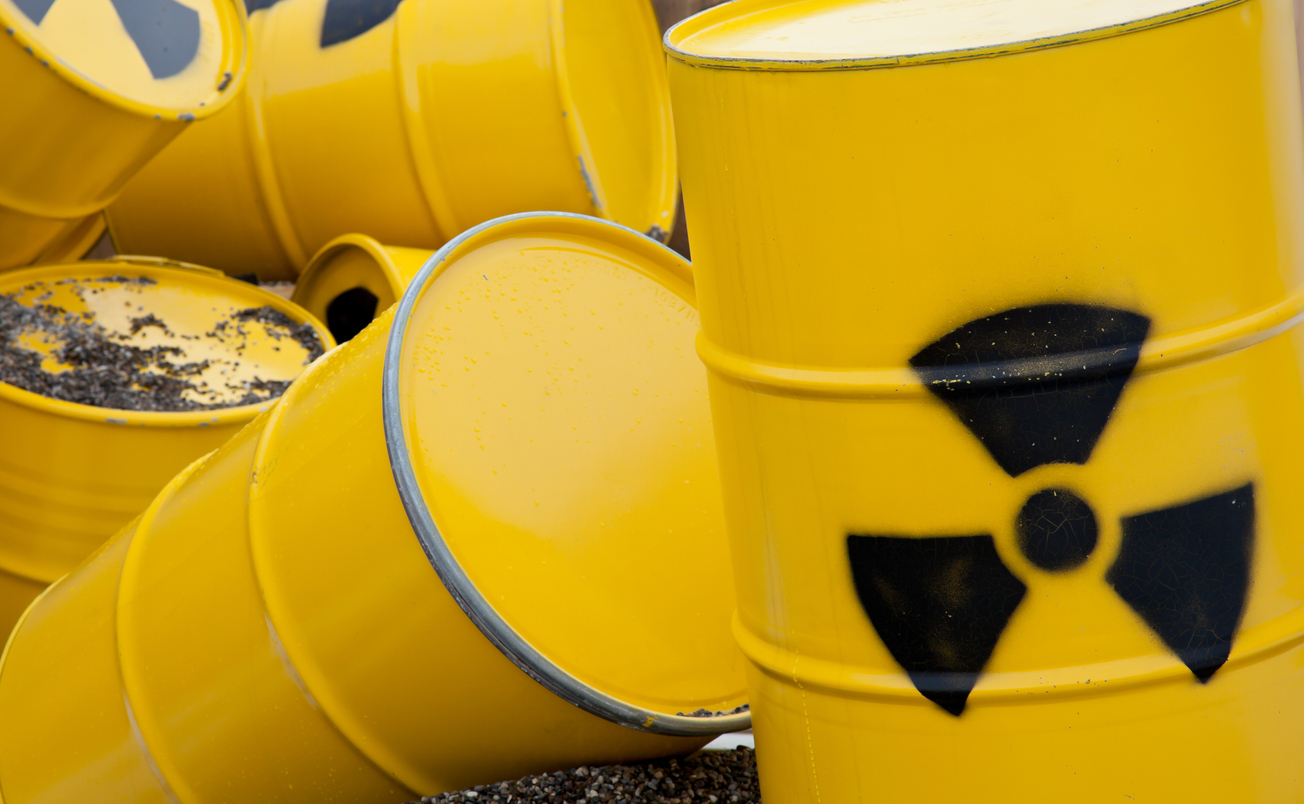
Hundreds of tonnes of reprocessed nuclear material are set to power a new generation of cancer treatments
In a groundbreaking initiative, the intertwining of nuclear science and healthcare is poised to revolutionize cancer treatment in the UK. With the potential to produce tens of thousands of doses of advanced therapies from historically accumulated nuclear materials, this project symbolizes a daring leap into the future of medicine. During a recent site visit to the UK National Nuclear Laboratory in Sellafield, Dr. Emily Harrington, a radiologist specializing in nuclear medicine, remarked, “This isn’t just a recycling project; it’s a transformative approach that could redefine cancer therapy as we know it.”
From nuclear by-product to life-saving therapy
The collaboration involves the UK Department for Business, Energy & Industrial Strategy’s Nuclear Decommissioning Authority (NDA), the UK National Nuclear Laboratory (UKNNL), and Cambridge-based Bicycle Therapeutics. Spanning 15 years, this ambitious cooperation aims to extract lead-212, a rare isotopic gem in the realm of radiopharmaceuticals. Lead-212 has garnered attention for its ability to deliver localized radiation directly to malignant cells, thus minimizing the collateral damage that often plagues traditional treatments like chemotherapy.
How science works
Centrally to this initiative is a breakthrough extraction process developed by UKNNL that enables the harvesting of lead-212 from reprocessed uranium. Strikingly, only a minuscule quantity of uranium is needed—comparable to a mere drop of water in an Olympic-sized swimming pool—but this infinitesimal amount decays to yield an isotopic output capable of powering numerous therapies. As stated by Dr. Michael Levin, a physicist at UKNNL, “The efficiency of this process opens doors to sustainable and scalable solutions in medical science.”
Over the next 15 years, this collaboration will grant Bicycle Therapeutics access to up to 400 tonnes of reprocessed uranium. This strategic decision ensures a continuous supply of isotopes necessary for lead-212 production, subsequently generating tens of thousands of treatment doses annually. The implications are profound: reliable access to innovative therapies from a source that otherwise might have languished as nuclear waste.
Precision treatments for hard-to-treat cancers
Radiopharmaceuticals utilizing lead-212 hold exceptional promise for tackling intractable cancers such as prostate cancer and neuroendocrine tumors, which affect vital organs including the pancreas and digestive system. These therapies intentionally seek and destroy cancerous cells with remarkable precision, sidestepping healthy tissues. According to a study published by the International Journal of Cancer Research, patients receiving lead-212 targeted treatments displayed a 30% higher response rate than those subjected to conventional therapies.
Bicycle Therapeutics will incorporate lead-212 into its proprietary Bicycle® molecules—novel, small compounds specifically engineered to target cancer cells. The extraction of lead-212 will be facilitated by a novel radioisotope generator, developed through partnership with medical isotope experts at Spectron Rx. These ongoing collaborations exemplify the synergy between nuclear science and medical innovation, a combination whose time has finally come.
Boost for UK science, healthcare and growth
This multi-faceted project not only underscores the government’s ambition to position the UK as a leader in life sciences and nuclear advancements; it is also a vivid reflection of a healthcare system increasingly oriented toward precision medicine. Recent investments in the National Health Service (NHS) to bolster cancer diagnostics and treatment infrastructure underpin this initiative, echoing the societal call for earlier diagnoses and reduced patient waiting times.
- Efficiency: Leveraging existing nuclear materials to create life-saving therapies.
- Innovation: Developing new molecules to precisely target and treat difficult cancers.
- Sustainability: Establishing a reliable source of isotopes that help create thousands of effective treatments each year.
The NDA’s custodianship ensures the safe and secure management of uranium, allowing its legacy to transcend past purposes. As noted by Dr. Sarah Thompson, a bioethicist at Cambridge University, “There is something poignant about turning potential hazards into healing tools. This could alter not just the course of treatment but the perception of nuclear science in society.”
This collaboration of unconventional forces opens the door to a future where the vestiges of nuclear energy can be harnessed for profound societal benefit. From the echoes of past energy policies emerges a new narrative—a testament to human ingenuity, marked by the skills of scientists and doctors joining efforts to forge hope where it once appeared lost. In a world where cancer looms ever more menacingly, initiatives like this may just illuminate the path forward, one lead-212 isotope at a time.
Source: www.openaccessgovernment.org

