


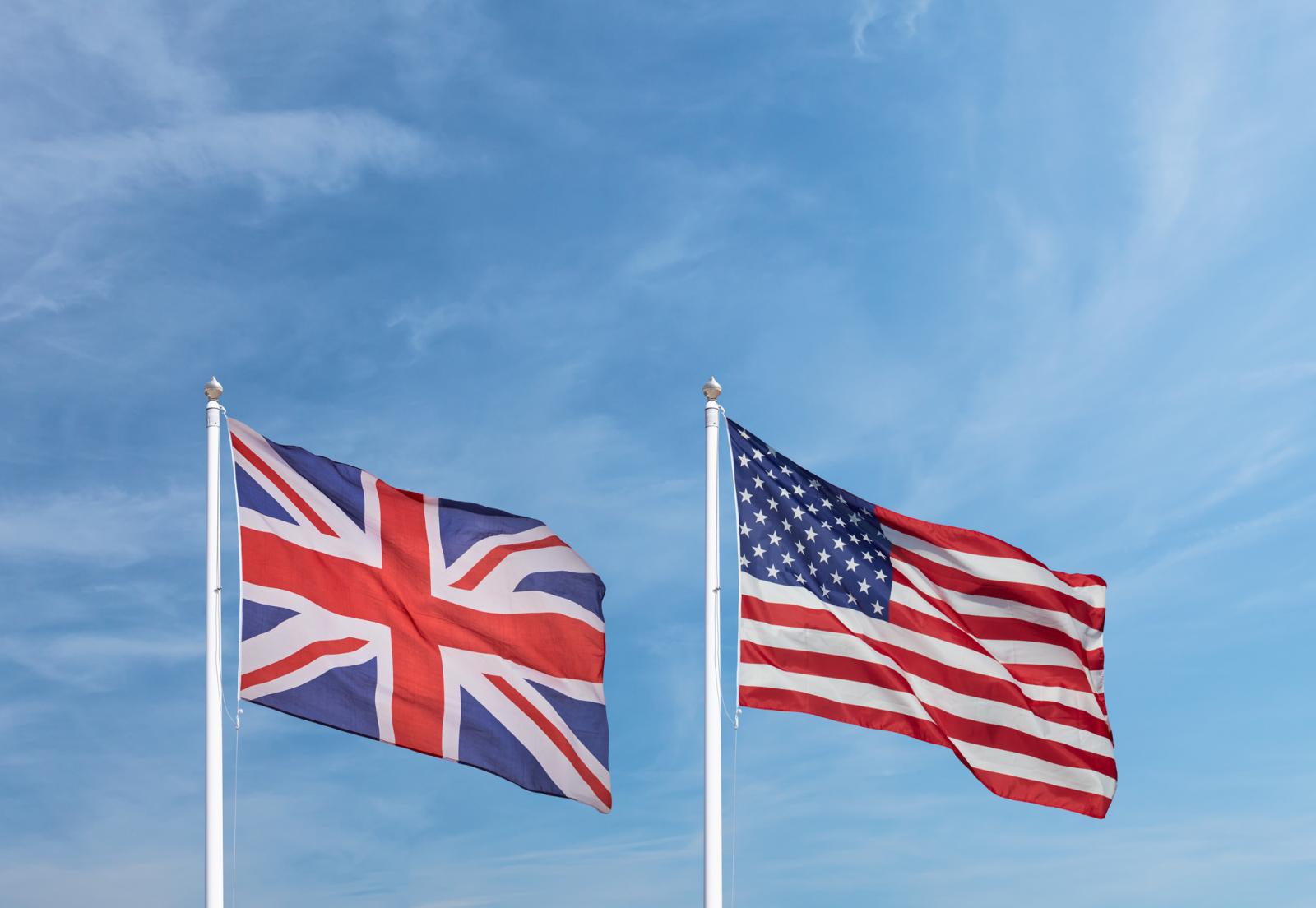
Tens of thousands of NHS patients are set to benefit from a landmark trade agreement between the UK and the US that will transform access to life-saving medicines, safeguard supply chains, and drive billions in investment into the UK’s life sciences sector.
On a bustling day at Leeds General Infirmary, the medical staff is prepped and ready, but there’s one critical missing piece: a revolutionary cancer treatment that could mean the difference between life and death for many patients. Just a week later, an announcement from Downing Street promises that the landscape of medicine in the UK will change dramatically, thanks to a landmark trade deal between the United Kingdom and the United States.
A Paradigm Shift in Pharmaceutical Trade
The recently inked deal, part of the UK-US Economic Prosperity Agreement, places the UK in a unique position as the only country worldwide to secure a zero percent tariff on pharmaceutical exports to the US. This pivotal decision not only bolsters the UK’s standing as a global leader in life sciences but also assures that the manufacturing capabilities housed within its borders remain protected.
Major pharmaceutical companies such as Moderna, Bristol Myers Squibb, and BioNTech have already committed to investing billions in UK operations, a move reflecting their trust in the government’s ambition to make the UK Europe’s leading life sciences economy by 2030. Dr. Sarah Aldridge, a noted economist at the University of London, asserts, “This agreement creates a new paradigm in trade dynamics. The proactive approach the UK has taken ensures a robust pipeline for innovative treatments.”
The Benefits of Increased Investment
As part of this deal, the government has vowed to increase investment in innovative treatments by 25%, the first substantial boost in over two decades. This surge in funding is expected to enable the National Institute for Health and Care Excellence (NICE) to approve breakthrough medicines previously deemed too costly. Such advancements include:
- Cutting-edge cancer therapies
- Treatments for rare diseases
- Innovative gene therapies
“For far too long, patients have faced barriers to accessing life-saving treatments due to cost,” remarks Dr. Marcus Reid, a prominent oncologist at the Royal Marsden Hospital. “This investment will not only change lives but also redefine how we approach healthcare in the UK.”
A Safeguard for Patients
The agreement also ensures that UK patients will benefit from safeguards under the US ‘Most Favoured Nation’ drug pricing initiative. This translates to British patients being among the first globally to access new medicines. It builds upon the UK’s existing reputation for the early adoption of revolutionary treatments such as Blenrep for blood cancer and Kimmtrak for eye cancer.
Notably, the UK has also halved the clinical trial approval times from 91 days to just 41, enabling patients to gain quicker access to life-changing research. This acceleration, combined with the new trade agreement, suggests a period of unprecedented innovation in the life sciences sector. Liz Kendall, Secretary of State for Science and Technology, shared her enthusiasm, stating, “This vital deal will ensure UK patients get the cutting-edge medicines they need sooner, and our world-leading UK firms keep developing the treatments that can change lives.”
Economic Impact and Job Creation
By securing zero tariffs and enhancing investment, the trade deal promises numerous economic benefits. The life sciences sector is projected to create tens of thousands of high-quality jobs, driving economic growth while alleviating long-term pressures on the NHS.
Yet, the deal presents challenges as well. The NHS Confederation highlights potential budgetary concerns. Layla McCay, Director of Policy, states, “Healthcare leaders are conscious that a thriving health and life sciences sector is key to ensuring that patients can access the treatments they need. However, with the NHS already under financial duress, we must examine how these increased drug prices will be financed.”
McCay emphasizes that any increase in medicine spending must be funded sustainably; otherwise, existing service provisions may become jeopardized, leading to trade-offs in essential patient services.
Long-Term Implications
This trade agreement not only strengthens US-UK relations but aligns with the government’s broader 10-Year Health Plan and the Modern Industrial Strategy, reinforced by £2 billion in backing. As the UK evaluates its standing in the global marketplace, this strategic move may well prove to be a keystone for future economic policies related to health and innovation.
Yet, the implications of this agreement extend beyond mere economics. They touch upon the very essence of healthcare in the UK. For years, patients have been caught in a labyrinth of bureaucracy that stifles prompt access to life-saving medications. The idea that NHS patients will soon have expedited access to revolutionary treatments represents a monumental shift in healthcare. As the dust settles on this agreement, it remains to be seen whether the anticipated benefits will materialize adequately to benefit not just the economy, but also the patient journey within the NHS.
As the corridors of Leeds General Infirmary pulse with the rhythm of medical advancements, one can only hope that this landmark trade agreement will translate into tangible benefits for the patients walking through its doors—each one a name, a life interrupted, now holding the promise of a healthier tomorrow.
Source: www.nationalhealthexecutive.com

