


Could Chocolate Hold the Key to Slowing Biological Aging?
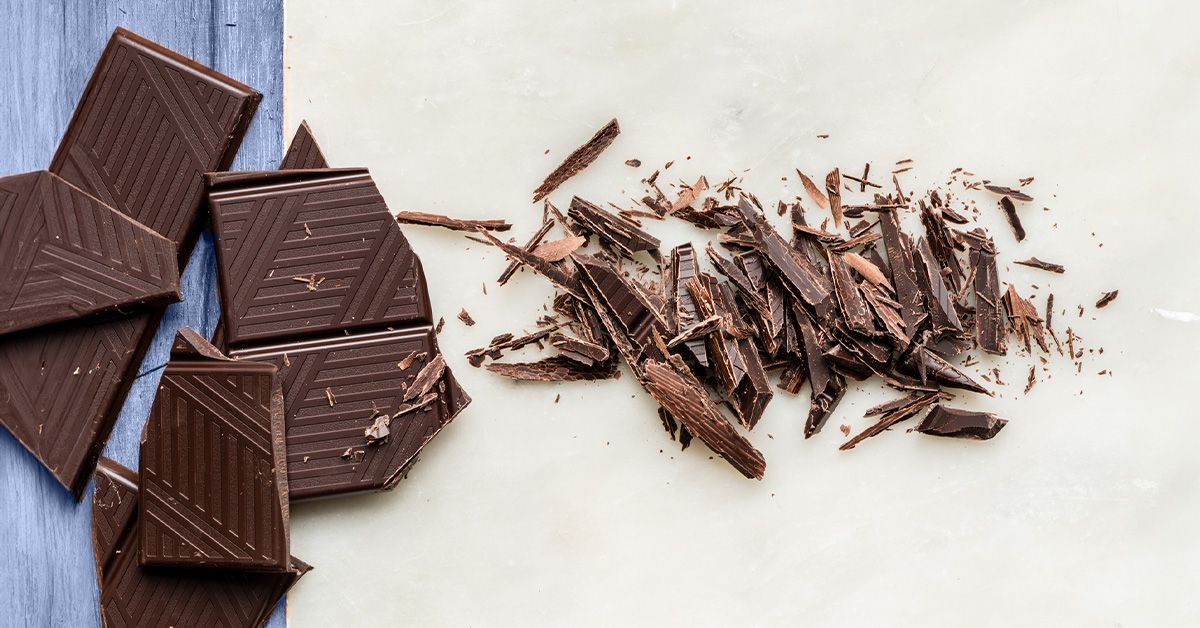
It was a typical Friday afternoon and 64-year-old Evelyn Matthews was perusing her favorite chocolate shop in downtown Seattle, her fingers brushing the smooth wrappers of artisanal dark chocolate bars. Little did she know that each piece of chocolate she savored was being hailed as a potential elixir of youth, spurred by emerging research focused on a compound called theobromine. This chocolate-derived compound may play a significant role in decelerating the process of biological aging, challenging previous notions of health and longevity.
The Promise of Theobromine
A groundbreaking study recently published in the journal Aging has ignited new discussions around the potential health benefits of theobromine, particularly its influence on biological aging. Researchers analyzed blood samples from 1,669 participants and discovered a striking correlation: individuals with higher concentrations of theobromine exhibited epigenetic markers associated with slower biological aging.
Dr. Maya Chang, a biochemist at Stanford University, emphasizes the significance of these findings. “The research suggests that theobromine could be a catalyst for biological resilience,” she stated. “Though still preliminary, the implications for dietary choices—and even longevity—are intriguing.”
Unlike caffeine, which is known for stimulating the central nervous system and causing jitters, theobromine acts more gently on the body. Found mainly in cocoa and to a lesser extent in coffee, it comprises about 3.3% of cocoa beans. This distinction raises the possibility of incorporating a delicious treat into health-conscious diets.
Understanding Biological vs. Chronological Age
Chronological age is straightforward—it’s simply the number of years since birth. Biological age, however, represents the physiological state of an individual’s cells and tissues, which can vary widely. “You could be 70 chronologically but biologically 55 if you’ve maintained a healthy lifestyle,” explains Dr. Fady Hannah-Shmouni, a geneticist at the University of British Columbia. “Conversely, poor lifestyle choices can lead to someone looking young but aging biologically faster.”
- **Genetic Factors:** Our DNA remains unchanged throughout life but can be influenced by epigenetic factors.
- **Epigenetics:** Environmental and lifestyle factors can turn genes on or off, affecting our biological age.
- **Testing Methods:** Various measures, including epigenetic markers and telomere length, provide insights into biological aging.
The recent study deployed advanced methods, including “GrimAge,” a recognized epigenetic aging clock. Dr. Hannah-Shmouni notes, “GrimAge not only predicts biological age but also mortality and disease risks, providing a more nuanced viewpoint on health and aging.”
The Mechanisms at Play
The team identified that participants with elevated theobromine levels demonstrated slower biological aging reflected in their epigenetic markers and telomere lengths. As people age, telomeres—a sort of protective cap on chromosomes—tend to shorten, which can serve as a biological age indicator.
However, the relationship between telomere length and theobromine levels was less pronounced. “This discrepancy suggests that while both metrics inform aging processes, they might represent distinct facets,” the authors concluded.
Despite the compelling findings, several questions linger. For example, while the research focused on blood levels of certain compounds, the influences of other beneficial compounds in cocoa, such as flavan-3-ol, were not measured. “This could mean the observed health benefits might not be solely attributed to theobromine,” cautioned Dr. Chang.
Moreover, reverse causation could complicate results. Dr. Hannah-Shmouni speculated, “Perhaps individuals with slower biological aging metabolize theobromine more effectively, painting a different picture altogether.”
The Dark Side of Chocolate?
As excitement builds around the potential of theobromine, it is crucial to navigate the complexities associated with chocolate consumption. Many commercial chocolate products contain added sugars and artificial ingredients that detract from health benefits. Dr. Federica Amati, a public health nutritionist at Imperial College London, offers sage advice: “Choose dark chocolate with at least 70% cocoa content and minimal additives. It’s rich in antioxidants and has intrinsic health benefits.”
Moreover, dark chocolate is not just a tantalizing treat. It also contains essential nutrients like iron and magnesium, contributing to its nutritional profile. As Dr. Amati puts it, “Properly selected chocolate supports a healthy gut microbiome and overall wellness.”
Charting the Future of Research
The implications of these findings could lead to new frontiers in nutrition and health. Experts advocate for further investigations, including randomized controlled trials to establish the causal relationships between theobromine and biological aging. “The possibilities are immense,” Dr. Hannah-Shmouni asserts. “Future studies could explore not just theobromine, but also other compounds that chocolate offers.”
In Evelyn’s case, the next time she indulges in her favorite treat, it might be more than sheer pleasure—it could be a small step toward a more youthful existence. With theobromine emerging as a potential key player in decelerating biological aging, chocolate might just be the sweet solution we’ve been looking for.
Source: www.medicalnewstoday.com

