


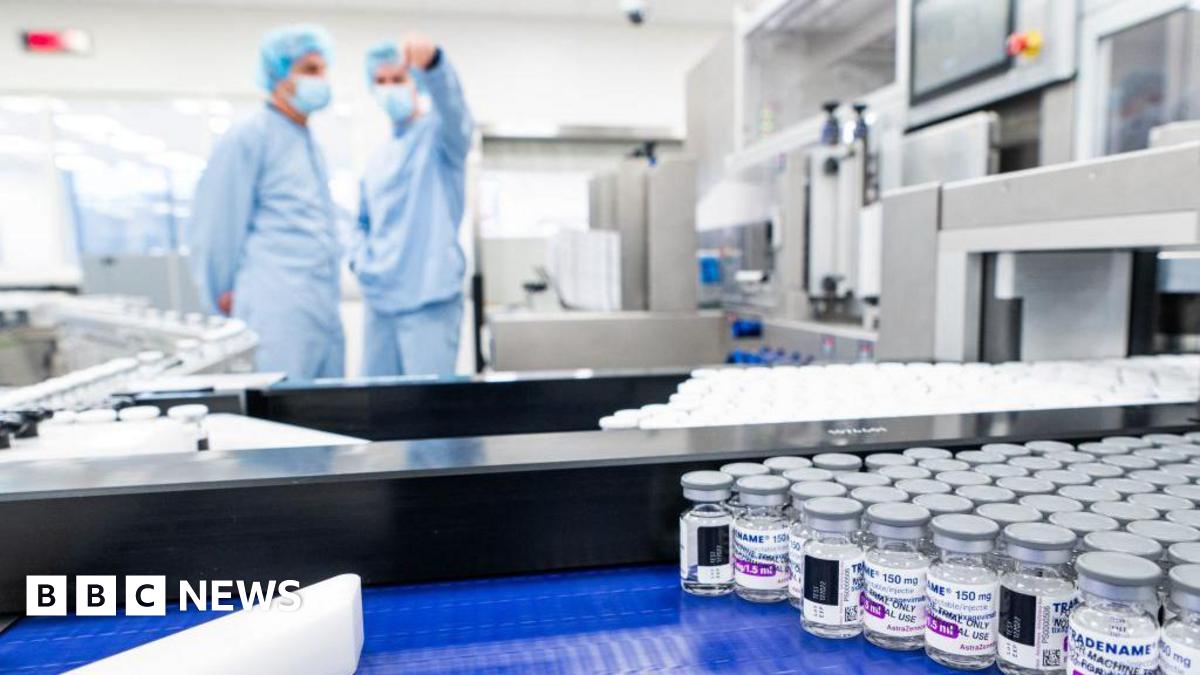
UK-US Pharmaceutical Trade Deal: A Pathway to Lifesaving Solutions
In the bustling corridors of the Houses of Parliament, a historic agreement was taking shape—a deal that promises to not just reshape the landscape of pharmaceuticals but also safeguard jobs and bolster investment across the United Kingdom. Business and Trade Secretary Peter Kyle proclaimed this agreement would “guarantee that UK pharmaceutical exports—worth at least £5bn a year—will enter the US tariff-free,” igniting hopes for a new era in the life sciences sector. For an industry already generating £11.1bn in exports, the stakes couldn’t be higher.
A Lifeline for Life Sciences
The numbers are promising. The UK exported £11.1 billion worth of medicines to the US in the twelve months leading up to last September, accounting for 17.4% of all British goods exports during that period. This new deal not only cements the existing relationship but amplifies the potential for future growth. However, the unpredictability of U.S. tariffs looms large. Earlier this year, former President Donald Trump threatened to impose tariffs on pharmaceuticals, citing a desire to encourage domestic manufacturing. Such threats compounded fears in the UK, where companies depend heavily on the U.S. market.
An Uneasy Balance
White House spokesman Kush Desai described the agreement with the UK as a “historic step towards ensuring that other developed countries finally pay their fair share.” This sentiment echoes a broader concern that the American consumer bears the burden of inflated drug prices. Dr. Emily Chen, a public policy scholar at the London School of Economics, noted, “The UK must navigate a delicate balance—facilitating exports while also managing domestic healthcare costs. This deal could be a blueprint for other nations, but it carries risks.”
- Safeguards UK pharmaceutical exports for three years.
- Increases NHS spending on medicines from 0.3% to 0.6% of GDP within ten years.
- Caps drug companies’ payback to the NHS at 15%, down from over 20%.
- Increases the price threshold for new treatments by 25%.
The Financial Architecture
The financial implications of this deal are multifaceted. By extending protection from tariff increases for the next three years, the UK government aims to provide a stable environment for pharmaceutical companies to invest and innovate. Additionally, the decision to increase NHS spending on medicines aims to bolster public health while staying mindful of fiscal responsibility. According to a recent study by the Centre for Economic Policy Research, increased spending could catalyze an additional £4 billion in drug research and development.
“The increase in NHS spending is a pragmatic move that acknowledges the rising costs of healthcare,” said Dr. Andrew Weston, a health economics expert at Cambridge University. “It also aligns the UK closer to American expenditure levels, which could mitigate pressure on drug costs.” The NHS, long regarded for its cost-effectiveness, now finds itself at a pivotal moment where its spending habits might veer closer to those of its U.S. counterpart.
Implications for Consumers
This agreement has the potential to alter not just the financial landscape but also the patient experience. The NHS’s increased spending means a greater variety of innovative drugs could potentially reach UK consumers more rapidly, alleviating some of the strain observed during drug shortages. However, these changes come with trade-offs. By raising the price threshold deemed acceptable for new treatments, critics argue that the NHS may inadvertently pave the way for costlier drugs that could overburden taxpayers.
Global Ramifications
The implications of this deal extend far beyond the UK and the US. It sets a precedent for how developed nations structure pharmaceutical agreements. While the focus on tariffs may alleviate immediate financial pressures, the long-term consequences on global healthcare systems warrant scrutiny. If the UK succeeds in its mission to become a global hub for life sciences, it could influence regulatory frameworks in various other countries, igniting a race among nations to establish similar trade deals.
Dr. Helena Kovacs, a global health strategist, remarked, “The UK has an opportunity to lead in setting international standards for pharmaceutical exports. If they succeed, the ripple effects will likely influence policy decisions in several other nations struggling with similar challenges.” In a landscape where healthcare costs continue to rise, this kind of leadership may be crucial to ensuring equitable access to life-saving medicines.
The Future of the UK in Global Pharma
If all proceeds as planned, the deal could bolster the UK’s position in the global pharmaceutical market, attracting foreign investment while fostering innovation at home. The tangible benefits for British workers and consumers could be significant. However, the sustainability of these advantages remains an ongoing debate among policymakers, industry experts, and the public.
As the ink dries on this agreement, the future of UK’s pharmaceutical exports hangs in a delicate balance. While the government aims high, the global landscape remains fraught with uncertainty. Should the U.S. choose to revise its approach to tariffs, or if domestic pressures mount to renegotiate drug prices, the safety net that this deal aims to provide could quickly unravel.
For now, the UK stands at a crossroads. With ambitious plans to elevate itself as a global hub for life sciences, it must navigate murky waters filled with both opportunity and challenge. The success of this agreement could very well define the landscape of healthcare not just in the UK, but across the globe for years to come.
Source: www.bbc.co.uk

