


UK Will Increase Its Spending On Medicine Under A Zero-Tariff Deal With The US
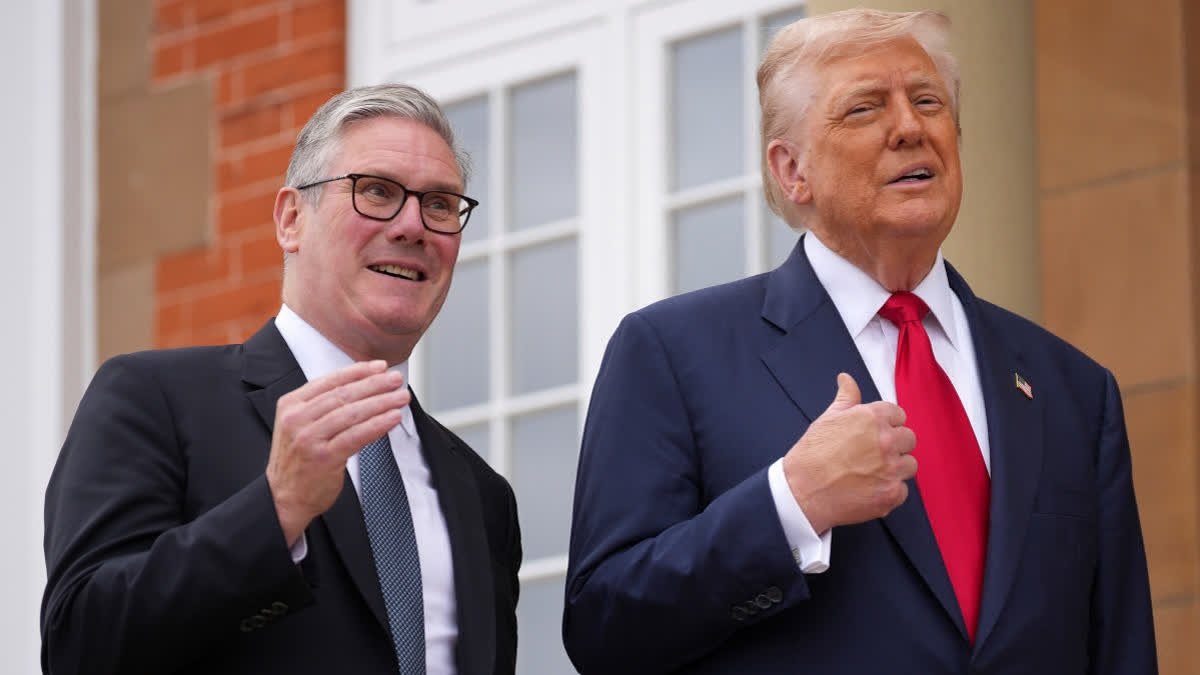
Turning the green hills of Turnberry into a tableau of geopolitics, President Donald Trump met with British Prime Minister Keir Starmer on a fateful July day in 2025. The stunning backdrop of Scotland’s coastline set the scene for an announcement that would ripple through both sides of the Atlantic: a groundbreaking deal on pharmaceutical trade. In a world increasingly defined by competition, the 0% tariff rate on U.K. medicines exported to the U.S. symbolizes not just economic alignment but a strategic shift in health policy, with implications reaching far beyond mere dollars and cents.
A Landmark Agreement
The U.K. government heralded the deal as a monumental step in its pharmaceutical strategy, ensuring that medicines would flow freely to the U.S. market for at least three years. In exchange, U.K. pharmaceutical firms committed to invest more in the United States, aiming to create jobs while increasing the National Health Service’s budget for new medicines by a staggering 25%. This reallocation marks the first major increase in more than two decades, a signal of renewed investment in public health.
Economic Repercussions
The ramifications of this deal are multifaceted. As Richard Torbett, Chief Executive of the Association of the British Pharmaceutical Industry, noted, “This agreement is not just a financial transaction; it’s a catalyst for innovation. By aligning our interests with those of the U.S., we are setting the stage for a new era in healthcare.” The emphasis is on innovative treatments—therapies for rare diseases and breakthrough cancer treatments that have long been curtailed by cost-effectiveness analyses. With this new financial latitude, the U.K. health authorities are now empowered to approve these vital medicines that could save lives.
- 0% Tariff Rate: Drugs, pharmaceutical ingredients, and medical technology exported from the U.K. to the U.S.
- 25% Budget Increase: NHS’s new investment in medicines, the first major increase in years.
- Job Creation: Commitment from U.K. companies to invest in the U.S. market and create new jobs.
- Access to Innovations: Faster approval of breakthrough treatments for conditions like cancer and rare diseases.
Politics and Public Health
This strategic partnership couldn’t have come at a more significant time. The Biden administration’s ongoing struggle to repeal stringent policies on foreign pharmaceuticals has created uncertainty. Trump’s administration purportedly saw this deal as a way to “strengthen the global environment for innovative medicines,” according to U.S. Health Secretary Robert F. Kennedy Jr., thus signaling an evolving landscape of U.S.-U.K. pharmaceutical relations. Political observers highlight that the agreement works as a balancing act—not only consolidating trade benefits but also addressing the crying need for reform in medical accessibility.
However, the agreement hasn’t gone without its criticisms. Concerns remain about whether the increased spending will translate into access for average citizens. Dr. Emily Carter, a public health expert at the University of Edinburgh, remarked, “While this deal seems beneficial on paper, we must scrutinize how these additional funds will be allocated. The challenge lies in ensuring that patients, especially from underserved communities, actually receive these cutting-edge treatments.” Her concerns echo sentiments shared by many in the healthcare sector, advocating for transparency in how these decisions will affect patient outcomes.
The Role of Big Pharma
The pharmaceutical industry is no stranger to controversy. AstraZeneca’s recent pauses in investment within the U.K. have raised eyebrows, as the company considers the economic implications of Brexit and its aftershocks. “If businesses don’t see conducive policies, they will understandably reconsider their operations,” warned U.S. Ambassador Warren Stephens, emphasizing that prolonged uncertainty could stifle innovative capacities in the long run.
Health minister Liz Kendall lauded the deal as ensuring that “U.K. patients get the cutting-edge medicines they need sooner.” Yet, the balance between investment and health quality remains precarious. With an aging population and a burgeoning demand for advanced healthcare solutions, the U.K. faces a challenge that could define its healthcare landscape for decades to come. As one industry analyst put it, “This is a pivotal moment; both nations are at a crossroads that could either lead to unprecedented collaboration or renewed contention.”
Global Implications and Future Trends
The deal’s broader context also merits scrutiny. With the global healthcare market undergoing a literal and figurative transformation, nations are beginning to rethink their approach to medicines as strategic assets. A report from the International Economic Institute suggests that shifts in pharmaceutical trade could alter the landscape of global healthcare accessibility. “Countries are recognizing that their health sectors are not just domestic issues,” said Dr. Nia Wong, a global health policy analyst.
The implications of the U.K.-U.S. agreement extend beyond mere trade statistics; they could shape the quality and availability of medicines worldwide. The success of this partnership may encourage other nations to seek similar arrangements, leading to a paradigm shift in how medicines are classified in international trade.
As negotiations surrounding trade agreements become more intricate, stakeholders from both sides must remain vigilant. The opportunities for economic growth are tantalizing, yet the responsibility to ensure that advances in medicine translate into significant health outcomes is paramount. The track laid forth by this deal might just be the starting line for the global pharmaceutical industry’s race toward innovation.
In a world where healthcare can no longer afford to be compartmentalized, the collaboration between the U.K. and U.S. serves as a vital case study. As President Trump and Prime Minister Starmer shake hands on this deal, their commitment to the health and well-being of their citizens may well depend upon how effectively they can manage the delicate interplay of trade, investment, and public health.
Source: www.etvbharat.com

