


Acting Fast on Prediabetes: Preventing Type 2 Diabetes
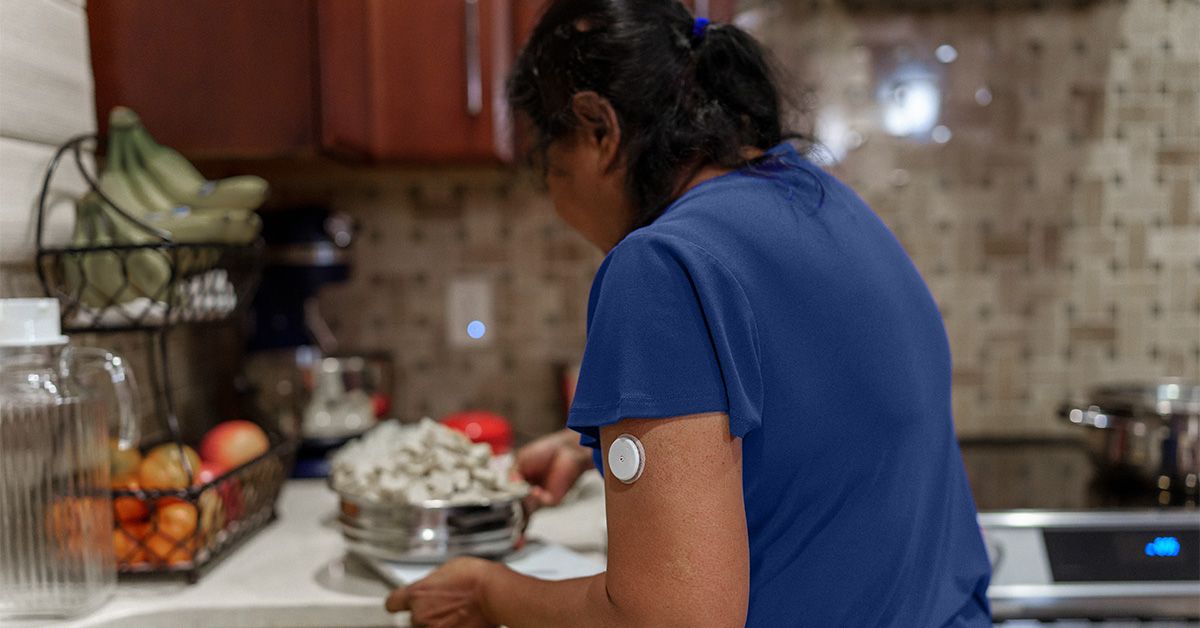
In a bustling kitchen in New Delhi, 42-year-old Meera Sen meticulously measures her portions, browsing through a colorful array of fresh vegetables. Her story is emblematic of a growing problem: the silent rise of prediabetes, a precursor to type 2 diabetes that affects millions. Like many, she was unaware of her condition until a routine check revealed her elevated glucose levels. Now, armed with knowledge and urgency, she shares her journey toward reversing the diagnosis.
The Diabetes Epidemic
Diabetes is not merely a statistic but a global crisis. The International Diabetes Federation reported that in 2021, 529 million individuals worldwide were living with diabetes, a number projected to soar to 1.31 billion by 2050. Of these, approximately 96% will likely have type 2 diabetes, a chronic condition largely influenced by lifestyle choices such as diet, physical activity, and body weight.
Recent research from India, published in The Journal of Diabetes & Metabolic Disorders, underscores a crucial piece of evidence: timely intervention within two years of a prediabetes diagnosis can effectively halt its progression to type 2 diabetes. Jack Ogden, MBChB, a UK-based primary care physician specializing in diabetes, states, “The study utilizes ten years of medical data, providing robust insights into the importance of early intervention.”
Understanding Prediabetes
Prediabetes is a condition characterized by blood glucose levels that are higher than normal but not yet high enough for a type 2 diabetes diagnosis. This stage is often symptom-free, making it easily overlooked. However, the implications are dire. Individuals with prediabetes are at a significantly increased risk of developing type 2 diabetes compared to those with normal glucose levels.
Key Risk Factors
Ogden emphasizes the need for awareness surrounding risk factors, advising regular testing, particularly for individuals over 35 or those with a family history of diabetes:
- Increased appetite
- Unexplained weight changes
- High body mass index (BMI)
- Fatigue and weakness
- Blurred vision
“The silent nature of prediabetes makes understanding these factors even more crucial,” Ogden adds.
Lifestyle Intervention: The Key to Prevention
According to experts, lifestyle modifications can lead to significant health improvements. Barbara Eichorst, MS, RD, CDCES, highlights, “Nutrition, mindful movement, and lifestyle stewardship are proven tools for reversing prediabetes.” A plethora of studies back this assertion, pointing to dietary and physical activity changes as essentials in combating high glucose levels.
Effective Strategies for Reversal
Research indicates several lifestyle changes can dramatically lower the risk of progressing to type 2 diabetes:
- Weight management by achieving a healthy BMI (below 25)
- Aiming for a 5-7% reduction in body weight if overweight
- Engaging in at least 150 minutes of moderate physical activity per week
- Adopting a balanced diet rich in whole grains, vegetables, and lean proteins
- Ensuring good sleep quality and managing stress effectively
Eichorst notes, “Results from the landmark Diabetes Prevention Program indicate that participants who embraced a structured lifestyle change program significantly reduced their risk of diabetes. This reinforces the efficacy of targeted, intentional action.”
The Critical Window: Timing is Everything
The two-year window following a prediabetes diagnosis is particularly crucial. Ogden emphasizes, “The sooner individuals take action, the better their chances of reversing the condition.” Research illustrates that more than 60% of patients who act in the early stages successfully revert to normal glucose levels.
Yet the paradox remains that while healthcare accessibility increases, nearly 30% of individuals with prediabetes will still progress to diabetes within a decade. This stark statistic highlights a pressing need for awareness and timely interventions aimed at high-risk populations.
Why Early Action Matters
The urgency for addressing prediabetes is underscored by emerging data. Fewer than 10% of those diagnosed with prediabetes engage in proactive lifestyle change, a statistic that throws into sharp relief the need for increased public health initiatives. Ogden notes, “The research heavily suggests that people who act quickly after a prediabetes diagnosis can significantly delay or even prevent the onset of type 2 diabetes.”
As the sun sets over New Delhi, Meera Sen prepares dinner while reflecting on her journey. In her kitchen, the aroma of spices wafts through the air as she celebrates her victories—small changes with significant impact. “It’s not just about my health,” she asserts, “but also a better quality of life for my family.” Her story is not just about reversing a diagnosis; it is about proactive living in a world increasingly defined by chronic conditions.
Source: www.medicalnewstoday.com

