


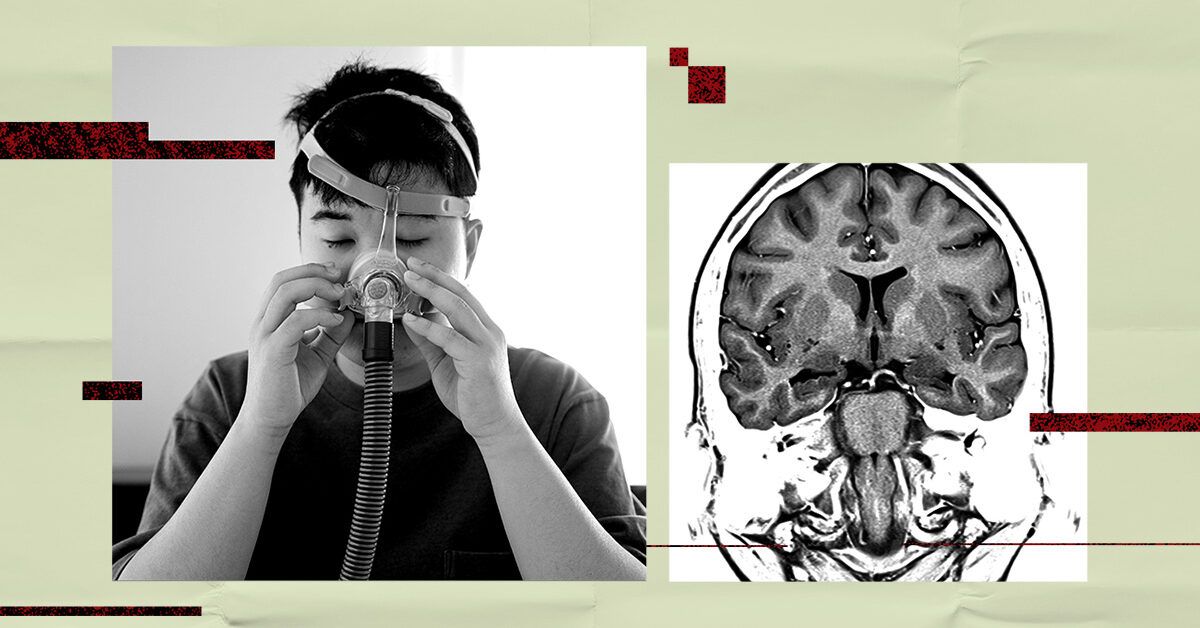
New Research Links Obstructive Sleep Apnea to Cerebral Microbleeds
As the clock ticks past midnight, the room is steeped in silence, disrupted only by the sporadic gasps of a person ensnared in the throes of obstructive sleep apnea (OSA). For many, this condition is just a nuisance, a nightly inconvenience of disrupted slumber. Yet, recent research is unearthing alarming connections that suggest the stakes are much higher—beyond sleepless nights, they delve into serious brain health implications.
Understanding the Overlooked Threat
Globally, OSA affects over 935 million adults. Characterized by repeated upper airway collapse during sleep, it not only interrupts restorative sleep but may also contribute to dangerous long-term health issues. In a landmark study published in JAMA Network Open, researchers documented a startling correlation between moderate to severe OSA and an increased incidence of cerebral microbleeds—tiny areas of bleeding in the brain that can lead to severe cognitive decline, including dementia and symptomatic strokes.
“Our research indicates that adults suffering from moderate to severe sleep apnea face over twice the risk of developing these microbleeds compared to healthier individuals,” explained Dr. Chol Shin, a prominent investigator at Korea University’s Institute of Human Genomic Study. This intriguing study followed a cohort of 1,441 adults over eight years, utilizing comprehensive polysomnography and MRI scans to assess brain health.
The Study’s Key Findings
- Higher Risk Population: Adults with moderate to severe OSA had a cerebral microbleed incidence of 7.25% after eight years, whereas only 3.33% of non-OSA participants displayed similar vulnerabilities.
- Demographic Insights: The study revealed that this high-risk group was predominantly male and exhibited higher rates of smoking and elevated body mass indexes.
- Significant Variables: After adjusting for various health factors—such as hypertension and diabetes—the link between OSA and microbleeds persisted, suggesting a direct physiological impact.
Dissecting the Cerebral Microbleeds
Cerebral microbleeds, indicative of chronic damage and stress within the brain’s vasculature, are more prevalent in older adults. The findings from Dr. Shin’s team suggest that untreated OSA could hatch a perfect storm for cognitive decline. “The mechanisms inherent in severe OSA—namely nocturnal hypoxia, oxidative stress, and inflammation—may inflict direct damage to the brain’s endothelial cells,” noted Dr. Timothy J. Barreiro, a specialist in pulmonary and sleep medicine.
This interplay of high-risk factors entwined with chronic oxygen deprivation sheds new light on OSA’s extended effects. Beyond merely waking up gasping, individuals with OSA may be unknowingly courting serious neurological consequences.
Expert Opinions and Context
The ramifications of this study extend into the realms of preventive health. Dr. Barreiro emphasized the critical nature of diagnosis and effective treatment: “The link we observed is profound. By addressing OSA, we may find a way to prevent more dire health outcomes like stroke and dementia.” However, researchers acknowledge limitations to their findings. The focus on a Korean population raises questions about the generalizability of the results. Furthermore, the study’s rigorous exclusion criteria left only a small portion of participants with moderate to severe OSA, diluting potential insights.
“Future studies should aim to explore diverse populations, including younger cohorts, to better grasp OSA’s full impact,” suggested Shin. “We need to ask why inflammation and oxidative stress exacerbate this condition and how initial intervention might shift the trajectory of brain health.”
The Path Forward: Treatment and Prevention
Addressing OSA is not merely about improving sleep quality; it has profound implications for long-term health. Researchers advocate for early diagnosis and ongoing treatment options, which may include lifestyle changes, the use of continuous positive airway pressure (CPAP) devices, or other therapeutic measures.
“Our study suggests a clear correlation between higher levels of diagnosed sleep apnea and an increased risk of brain microbleeds,” remarked Dr. Stephen Carstensen, a dental surgeon specializing in sleep disorders. “This underscores the importance of proactive management of sleep apnea to help safeguard cognitive function as we age.”
As society grapples with the consequences of untreated sleep disorders, the time for action is now. Health professionals must emphasize the significance of diagnosing OSA early in life. Not only could this save lives, but it may also preserve the integrity of the brain for years to come.
In a world filled with data and research, the personal stories of those living with OSA remind us of the human element at play. As patients seek relief from their nightly battles, the science continues to unfold—revealing a complex tapestry woven with the threads of sleep and cognitive health.
Source: www.medicalnewstoday.com

