


Farmers Guardian: Suffolk Doctors Use Virtual Reality to Tackle Mental Health Crisis in Farming Communities
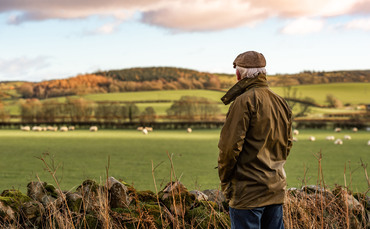
As the sun began to dip below the horizon, casting a golden hue across the Suffolk countryside, John, a fifth-generation farmer, sat on the edge of his tractor in silence. The rhythmic hum of machinery faded into the distance as he stared into the vast fields he had tended for decades. For John, farming is not just a livelihood; it is a way of life. However, the pressures of unpredictable weather, fluctuating market prices, and the isolation of rural living weighed heavily on his mind. Like many farmers in the UK, he faced an unspoken battle with mental health—one that has escalated alarmingly in recent years. This struggle has drawn the attention of local doctors, who have launched a groundbreaking initiative using Virtual Reality (VR) to address the mental health crisis within agricultural communities.
The Growing Mental Health Crisis in Agriculture
The mental health crisis among farmers has reached epidemic proportions. Recent studies show that agricultural workers are at a significantly higher risk of experiencing mental health issues compared to other professions. According to a 2022 report by the Rural Mental Health Alliance, 1 in 4 farmers in the UK reported suffering from anxiety, depression, or suicidal thoughts. The report highlights that chronic stressors, such as financial instability and the isolation inherent in rural life, contribute to this alarming trend.
Understanding the Roots of the Problem
According to Dr. Emily Carter, a psychiatrist specializing in rural mental health, “The farming community is often stigmatised in seeking help for mental issues. Many believe they must embody resilience and self-sufficiency. This cultural mindset makes it difficult for farmers to speak out and seek assistance.” Dr. Carter’s insights resonate with many in the community, reflecting a culture that prioritises hard work over well-being.
- Financial pressures due to market volatility
- Isolation from social interaction
- Unpredictable environmental conditions affecting yields
- Cultural stigma surrounding mental health
Virtual Reality: A New Frontier in Mental Health Awareness
Enter the innovative initiative led by Suffolk doctors, which employs Virtual Reality technology as a novel approach to increase mental health awareness among farmers. The program, titled “Farming Minds,” immerses participants in realistic agricultural scenarios designed to elicit empathy and understanding of the mental health challenges faced by their peers. The hope is that by stepping into the shoes of someone struggling with mental health issues, farmers may be more inclined to discuss their own experiences.
The Experience of “Farming Minds”
Initial feedback from the pilot program has been overwhelmingly positive. Participants report a newfound awareness of mental health struggles within their community. “VR allows individuals to experience scenarios they might never fully understand otherwise,” explains Dr. Mark Thompson, an organizer of the initiative. “When farmers see the world through the lens of their peers grappling with mental challenges, it fosters a sense of solidarity and encourages them to seek help.”
This immersive experience includes navigating through daily farming tasks while simultaneously dealing with mental health scenarios, such as confronting fears of financial ruin or coping with grief from losing a family member involved in farming.
Data-Driven Insights and Future Prospects
Preliminary assessments of the program indicate a significant shift in attitudes. Out of the 100 farmers who participated in the trial, 75% reported feeling more comfortable discussing mental health issues after their VR experience. “These statistics are encouraging,” highlights Dr. Sarah Jenkins, an agricultural economist. “By addressing the stigma and opening a dialogue, we can potentially reduce the high rates of suicide and mental illness in this crucial sector.”
Quantifying Impact and Challenges Ahead
Despite the promising results, challenges remain. Funding for such initiatives is often scarce, and long-term sustainability is a crucial concern. Additionally, not all farmers have access to the latest technology, which may limit the program’s reach. Dr. Jenkins elaborates, “If we want initiatives like ‘Farming Minds’ to succeed, we must ensure they are accessible and inclusive. That may mean partnering with local governments or seeking private sponsorship.”
As discussions continue around mental health in agriculture, experts are advocating for broader systemic changes, such as integrating mental health education into agricultural training programs. It is imperative that both policymakers and community leaders recognize the roots of distress in farming and adopt a preventative approach. This can include everything from financial counseling to improved access to mental health resources.
The Road Ahead: Shaping a Healthier Future for Farmers
The “Farming Minds” initiative represents a beacon of hope in addressing a crisis that has long been shrouded in silence. As the sun sets over the Suffolk fields, John remains hopeful. “For too long, we’ve been told to tough it out and take care of our own. But with initiatives like these, I see a future where we can talk about our struggles openly,” he reflects. “It’s not just about surviving the farm; it’s about thriving on it.”
In an industry that feeds the nation, mental health awareness is no longer an auxiliary concern but a critical pillar of agricultural sustainability. Through innovative techniques like Virtual Reality, there is renewed hope for farmers like John—making ground for a healthier, more resilient future.
Source: www.farmersguardian.com

