


The Recall of Cholesterol Medications: What Patients Need to Know
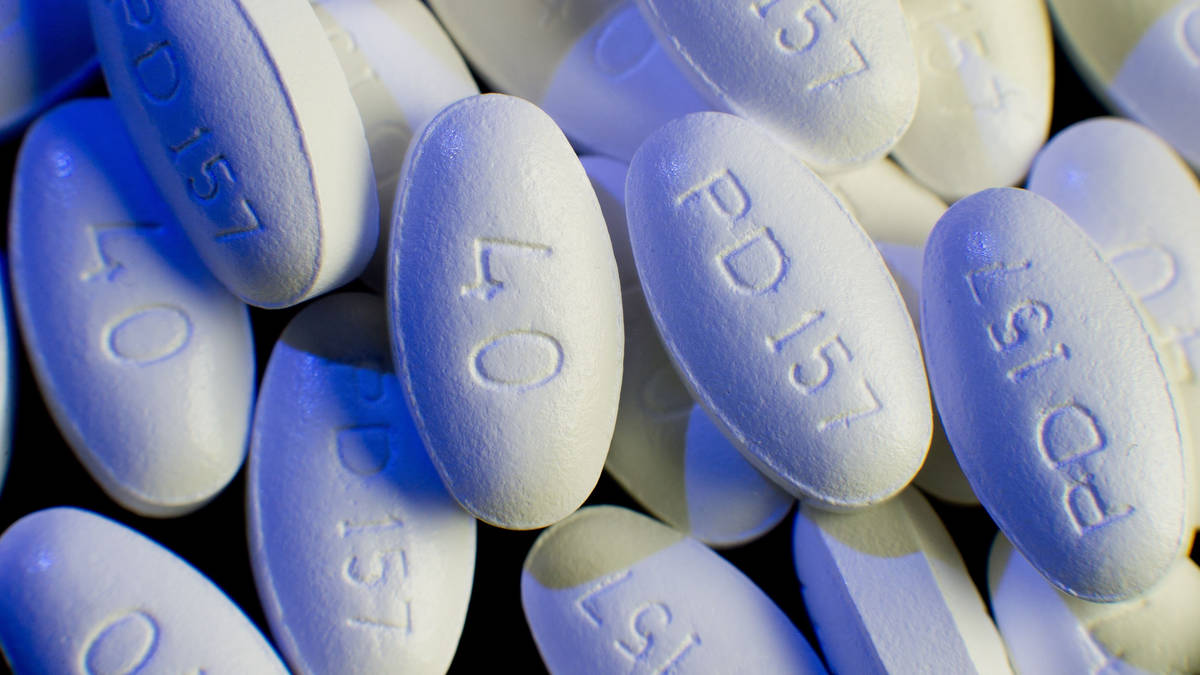
On a crisp September morning, Sarah Rodriguez, a schoolteacher from Denver, opened her medicine cabinet to find the familiar brown bottle of atorvastatin. She had taken this cholesterol-lowering medication daily for over three years, a lifeline to manage her hyperlipidemia. As she poured her dose, her phone buzzed with an alert: a recall notice that shook her routine and sparked concern among millions. The message was clear: the medication may not be effective and could pose potential risks.
Understanding the Recall’s Implications
This recent recall—classified as a Class II by the FDA—indicates that while the recalled tablets do not pose an immediate life-threatening danger, they raise significant concerns for users. The FDA notes: “use of or exposure to a violative product may cause temporary or medically reversible adverse health consequences.” This classification is important; it underscores the potential disruptions in treatment that might lead to unsettling health outcomes.
What Does Failed Dissolution Mean?
At the heart of the recall lies a technical issue: the failure of the tablets to meet dissolution specifications. According to Dr. Emily Chang, a pharmacologist at Stanford University, “When a medication fails to dissolve correctly, it may not be absorbed effectively into the bloodstream—a critical factor for any medication’s efficacy.” This is especially concerning for statins like atorvastatin, which are usually absorbed rapidly, achieving maximum concentration within one to two hours post-ingestion.
- Tablets involved in the recall were distributed in multiple bottle sizes—90, 500, and 1,000-count.
- Expiration dates stretch up to February 2027, making these medications seemingly safe for use.
- Specific lot numbers affected by the recall are available for consumers on the FDA’s website.
Dr. Chang further added, “The implication here is simple: patients relying on these medications could unknowingly be undermining their treatment, increasing their risk for conditions like heart attack and stroke.” The seriousness of this issue is underscored by the fact that, according to Yale Medicine, approximately 47 million Americans rely on cholesterol medications every day.
The Prevalence of Statins in American Medicine
Statins are not just widely prescribed; they form the backbone of cholesterol management. As noted by the American College of Cardiology, over 818 million prescriptions for statins are written annually in the U.S., marking them as the most commonly prescribed drug class. Atorvastatin, in particular, is taken by more than 29 million individuals, highlighting its importance in everyday health management.
Potential Health Risks of Interrupted Therapy
While the recalled medications have not yet been linked to reported illnesses, health professionals express cautious concern about the potential consequences of interrupted treatment. “Statins are crucial in helping the body clear out cholesterol,” explains Dr. Malik Jefferson, a cardiologist at the Cleveland Clinic. “Failing to take them as prescribed or substituting them with an ineffective product can have dire consequences.”
How to Check Your Medication
For those who may feel anxious about the recall, it’s essential to take proactive steps. Customers can identify whether their atorvastatin is part of the recall by checking the LOT number, which is generally printed on the top or side of the bottle. “Being informed is your best defense,” advises Dr. Jefferson. “Patients should not only check their medication but consult their healthcare provider as well.”
As one considers the gravity of this recall and the wide-reaching effects it may have on public health, it becomes clear that discourse around medication integrity is vital. Patients are encouraged to engage with their providers, asking questions and clarifying concerns about their treatments.
Looking Ahead: Maintaining Quality in Pharmaceuticals
The recall shines a spotlight on the pharmaceutical industry and the need for stringent quality control measures. As we reflect on this situation, it’s also a timely reminder for manufacturers to maintain the highest standards in drug production to safeguard public health. Ultimately, while no patients have reported adverse effects from these specific atorvastatin batches, the situation evokes an ongoing conversation about accountability and transparency in healthcare.
For Sarah Rodriguez and the millions like her, the September recall serves as both a reminder of their dependency on medications and the importance of remaining vigilant about their health. “I never thought twice about my medication until now,” she admits, contemplating the unseen complexities of her daily regime. As tensions rise and discussions unfold, the ongoing dialogue around drug safety continues to resonate, putting a spotlight on the people who rely on these medications and the systems designed to protect them.
Source: www.lbc.co.uk
