


The Risks of the “Golden Dose” in GLP-1 Medications
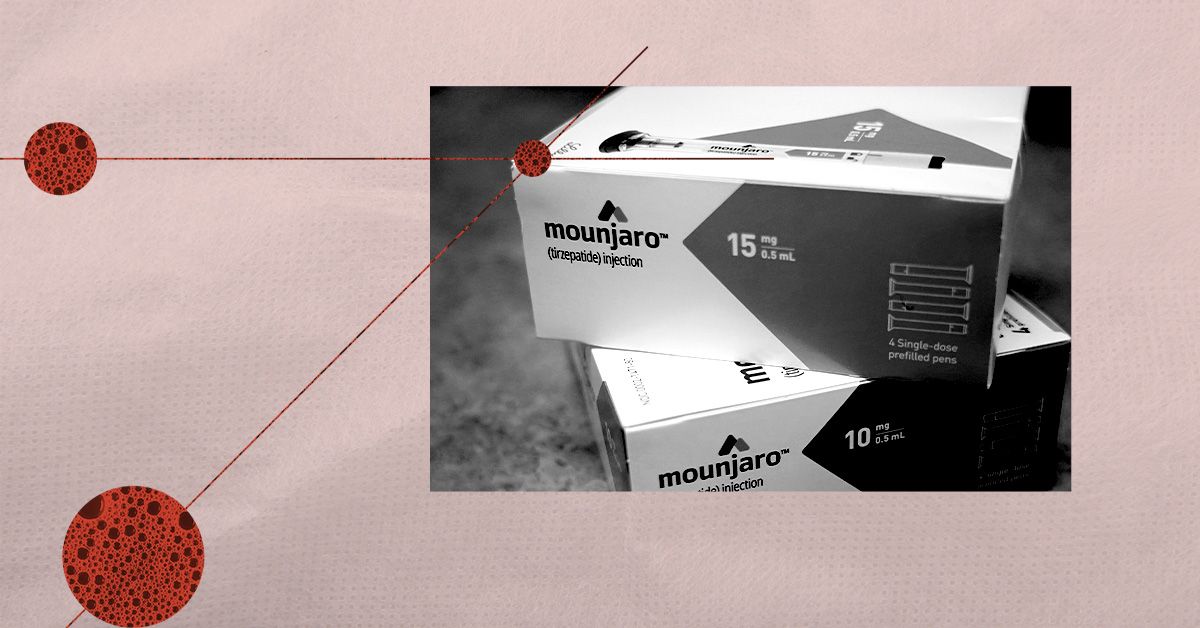
As Jane rifled through her medicine cabinet, she couldn’t help but notice the familiar glint of the Mounjaro injection pen. After meticulously following a strict regimen for weight loss, she was disheartened to see that, despite using four doses, there remained a small slosh of liquid in the pen. Little did she know that this seemingly innocent leftover, affectionately dubbed the “golden dose” by users, held the potential for serious health risks, a fact echoed by medical experts across the globe.
GLP-1 Medications: A Growing Interest
Over the last few years, the interest in GLP-1 medications such as Ozempic and Mounjaro has proliferated. Originally intended to treat type 2 diabetes, these medications have gained traction among those seeking rapid weight loss. As of 2024, approximately 12% of adult Americans had either tried or were currently using these drugs, a significant leap from just 0.30% in 2019, marking a staggering 586.7% increase in prescriptions for obesity treatment.
Understanding the “Golden Dose” Phenomenon
The conventional method for administering GLP-1 medications involves pre-filled injection pens designed to deliver a month’s worth of doses. Each pen typically contains enough medication for four doses, with a slight overfill intended for priming the device to ensure accurate delivery.
Mir Ali, MD, a board-certified general surgeon and medical director at a leading surgical weight loss center in California, describes this fittingly: “Each time they use the pen, it gives them the dose that’s required. However, many users have noticed that after their four doses, there’s still medication left in the pen.” This leftover liquid has sparked curiosity and debate among users, some of whom consider using it as a bonus fifth dose.
Is It Safe to Use the “Golden Dose”?
Experts unequivocally caution against utilizing this purported “golden dose.” Earim Chaudry, MBBS, chief medical officer at a digital health provider in the U.K., emphasizes that this extra liquid is a built-in feature designed to ensure the efficacy of prescribed doses. “The leftover volume is a built-in buffer, not a usable dose. Using it can lead to serious risks,” he warns, elaborating that patients may face underdosing or overdosing, both of which can result in significant side effects such as nausea and diarrhea.
Moreover, Hans J. Schmidt, MD, director of a leading weight loss and metabolic health center in New Jersey, adds another layer of concern: “Medical experts do not recommend this, and breaking into the pens can lead to contamination, increasing the risk of severe complications like infection or even sepsis.” These insights reveal a troubling paradox: the very medications designed to improve health may inadvertently pose new threats when misused.
The Design Flaw and Company’s Response
In response to these concerns, Eli Lilly, the manufacturer of Mounjaro, is reportedly redesigning its injector pens to eliminate any residual liquid. This change aims to mitigate the risks associated with using leftover medication beyond the prescribed dosing guidelines.
- Risks of Using the “Golden Dose”:
- Potential for underdosing.
- Increased risk of overdosing and associated side effects.
- Higher likelihood of infection due to compromised sterility from extended use.
Monique Richard, a registered dietitian and owner of Nutrition-In-Sight, underscores the importance of adhering strictly to prescribed dosing. “Patients should consult with their healthcare provider if they feel uncertain about their medication regimen. Self-adjusting can have serious health implications,” she warns, highlighting the need for proper communication between users and their healthcare teams.
Proper Disposal is Key
Given the risks tied to the “golden dose,” it is crucial for users to understand how to dispose of their injection pens correctly. “Once the four pre-measured doses have been administered, used pens, including any remaining liquid, should be disposed of safely,” Chaudry advises. This means unscrewing the needle and discarding it into a sharps disposal container, a practice essential for preventing potential needle-stick injuries.
Moreover, Ali elaborates, “The pen itself, as long as it remains unutilized beyond its designated period, poses no hazard in disposal. But utilizing leftover medication is where the risks arise.” This clarification serves as a critical reminder that while the medication can alleviate certain health issues, missteps in usage can swiftly lead to complications.
The Psychological Dimension
The sheer temptation of the “golden dose” raises important psychological questions regarding the motivations driving patients. “Are individuals financially limited and trying to stretch their medications? Do they fully understand their dosing instructions?” Richard inquires, pointing to the complex interplay of health literacy and financial constraints that may influence patient behavior.
Adhering to a safe and effective treatment plan is paramount, yet the allure of an immediate solution—a quick weight loss fix—can lead to dangerous consequences. For patients, this highlights the importance of prioritizing health over short-term gains.
In this evolving landscape of weight loss management, education and understanding must dominate the conversation. As users like Jane confront the realities of their medications, the medical community must remain vigilant in disseminating clear, unequivocal guidelines that empower patients while safeguarding their health.
Source: www.medicalnewstoday.com

