


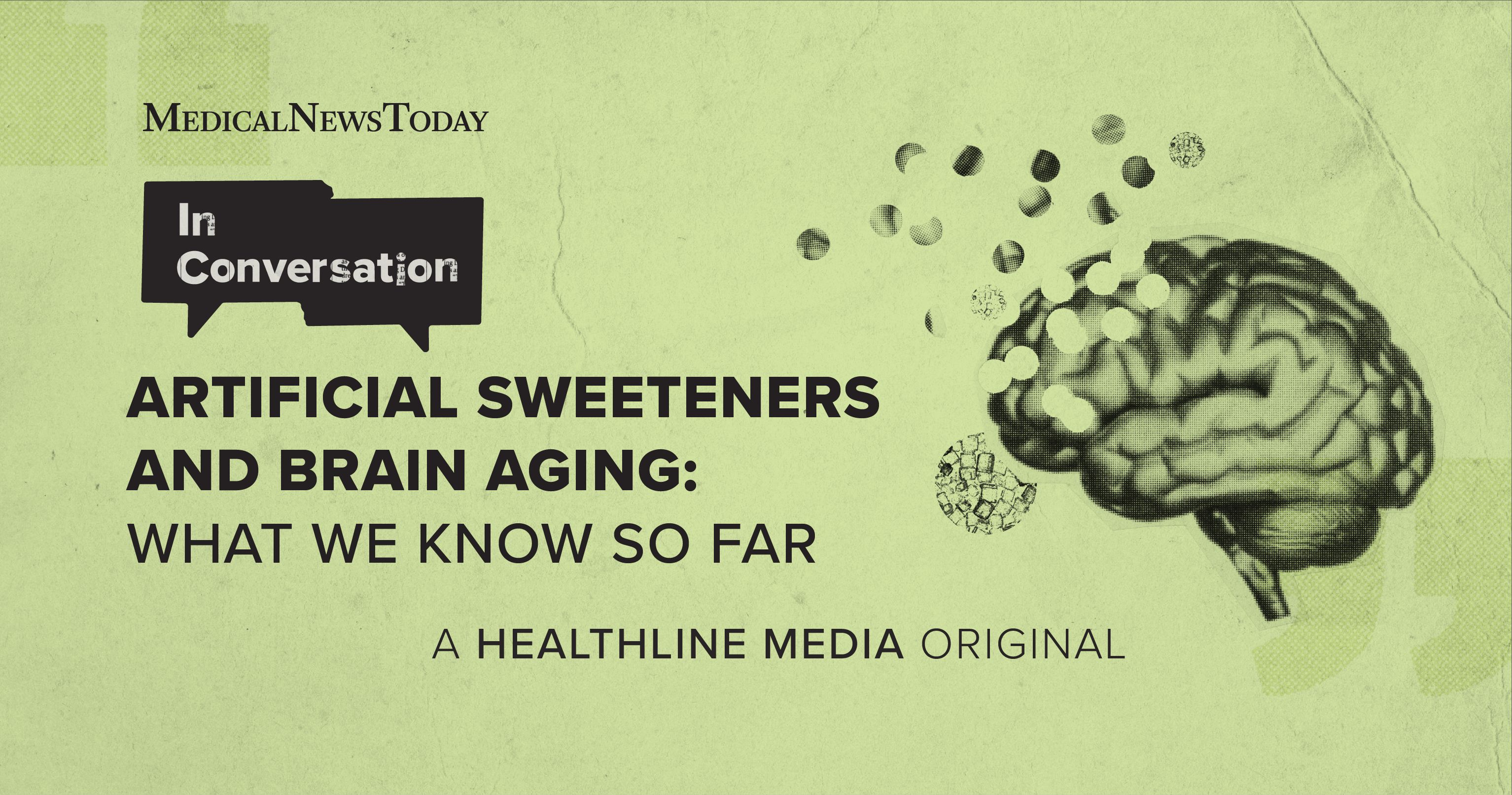
Can Artificial Sweeteners Actually Be Harmful to Health?
In a bustling café in São Paulo, a group of friends clinked their sugar-free iced lattes, unaware of potential risks hidden behind the synthetic sweetness. While many relish their guilt-free indulgences, new research casts a shadow over these seemingly harmless substitutes. Are the low-calorie alternatives really safer options, or could they be silently compromising our cognitive health?
The Sweet Deception
Artificial sweeteners—an array of compounds like aspartame, sucralose, and erythritol—are increasingly populating the diets of millions worldwide. Promoted as healthier replacements for sugar, particularly for those managing diabetes, these substitutes maintain sweetness without the calorie load. The U.S. Food and Drug Administration (FDA) has deemed many of these products safe for consumption. However, a growing body of research suggests the implications for our brain health beckon further scrutiny.
“The assumption that artificial sweeteners are a panacea for weight management and diabetes control is under strong debate,” says Dr. Claudia Suemoto, a renowned epidemiologist and senior author of a pivotal study published in Neurology. “Recent findings indicate potential adverse effects on cognitive function that warrant serious reconsideration of their inclusion in our diets.”
Rethinking Sweeteners
The latest study from Dr. Suemoto’s team analyzed the cognitive functions of participants consuming various sweeteners. What they found was striking; habitual consumption was linked to declines in memory and overall thinking skills equivalent to roughly 1.6 years of brain aging. This revelation has sent ripples of concern throughout both the scientific community and the public. Could these popular sugar substitutes be causing mental decline?
- Aspartame
- Saccharin
- Acesulfame-K
- Erythritol
- Xylitol
- Sorbitol
- Tagatose
Dr. Suemoto further elaborates, “These compounds might alter gut flora balance or influence brain neurochemistry, ultimately leading to cognitive issues.” Researchers posit that sweeteners may disrupt the body’s natural feedback mechanisms regarding hunger and satiety, prompting overconsumption of both sweet and savory foods. This can lead to weight gain, further complicating metabolic health.
Memory in the Balance
Compelling anecdotes have surfaced from individuals who’ve noticed changes in their cognitive abilities after switching to sugar alternatives. “I was blown away when my focus waned after I adopted a low-sugar diet,” shares Maria, a 45-year-old educator. “At first, I felt lighter and healthier, yet I found myself forgetting simple tasks more often.” Her experience mirrors findings in the new study.
The research suggests that the widespread use of artificial sweeteners could inadvertently affect neural pathways responsible for memory and learning. “We often treat the brain as an isolated organ, but it’s intricately connected to our gastrointestinal health,” explains Dr. James Miller, a cognitive neuroscientist. “Disruptions in gut health from consuming these sugar alternatives might manifest as cognitive deficits.”
A Call for Caution
As the debate continues, patrons of artificial sweeteners find themselves at a crossroads. Should they continue to indulge in the perceived health benefits, or is it time to reconsider their choices? It remains crucial to weigh the risks and benefits carefully as more research unfolds.
Dr. Suemoto advises moderation and mindfulness when integrating these sweeteners into daily diets. “None of these substances should be vilified entirely, but there’s a strong case to monitor consumption levels and prioritize whole foods.” With the rise in fast-acting food solutions, an understanding of long-term consequences is increasingly vital. She stresses, “Health isn’t merely about calorie counting; it’s about nutritional integrity.”
Future Implications
As society sways between health consciousness and dietary trends, the long-term effects of artificial sweeteners on memory and cognitive health demand thorough investigation. The connection to perceived mental decline could shape guidelines for consumption, particularly among vulnerable populations such as older adults.
“We might be looking at a future where public health policies will reconsider their stance on these sweeteners,” says Dr. Suemoto, hinting at an intensified focus on dietary guidelines that favor whole and minimally processed foods. “It’s imperative that we promote food choices that nourish our bodies and brains.”
This conversation about artificial sweeteners and their implications invites a shift in perspective not just among health professionals but also among consumers. Each mindful choice made can be a step towards better health—physically, mentally, and emotionally. Perhaps the next time you reach for that sugar-free treat, you might pause and consider the potential cost to your cognitive health.
Source: www.medicalnewstoday.com

