


Nye: The Plight and Promise of the NHS on Stage in London
LONDON — In a striking display at the National Theatre, a scene unfolds that appears far removed from contemporary realities: a young Aneurin “Nye” Bevan, portrayed vividly by Michael Sheen, stands in the midst of hope. “We will create a National Health Service!” he passionately declares, igniting dreams for a welfare state where health is a right, not a privilege. This moment hits harder as it echoes against the backdrop of an NHS reportedly facing its gravest crisis in decades.
The Play’s Context: A Nation at an Inflection Point
The play “Nye,” scripted by Tim Price and helmed by director Rufus Norris, strikes at a time when the NHS is at a crossroads. Born from a post-war commitment to Beveridge’s welfare principles, this service, long regarded as the world’s envy, now grapples with persistent issues: rising costs, deteriorating facilities, and a profound sense of loss among the populace.
“Every time I read the statistics about the NHS, I feel a gnawing sense of dread,” expressed Dr. Eliza Thornton, a health policy expert at London’s Imperial College. “If we don’t act now, we risk losing a system that is not just about healthcare; it’s about our societal fabric.”
The Numbers Paint a Grim Picture
- Public satisfaction in the NHS dropped from 70% in 2010 to 52% in 2023.
- A waiting list of 7 million people for elective surgeries.
- Emergency room wait times beyond 12 hours for an increasing number of patients.
As Sheen takes to the stage night after night, he brings not just Bevan’s struggle to life, but also the rigorous debates surrounding the NHS’s future. The Labour Party, struggling to re-establish itself as champions of the public service they birthed in 1948, faces harsh realities as they attempt to respond to public dissatisfaction and budgetary constraints. Prime Minister Keir Starmer acknowledges that the NHS budget, standing at £200 billion ($269 billion), constitutes nearly 40% of all government spending—a hefty burden amidst the broader economic malaise threatening Britain.
Historical Resonance: The NHS’s Legacy
For many Britons, the NHS represents an unparalleled commitment to communal welfare. The foundational idea that healthcare is a right transcends generations, but it is now under siege from both financial realities and recent political shifts. “We find ourselves in an existential struggle for the NHS,” Michael Sheen reflects. “Once you dismantle it, returning to what we’ve lost will seem impossible.”
In truth, the NHS is a cornerstone of modern British identity, giving many their first taste of world-class medical care—a stark contrast to the struggles seen in countries like the U.S., where financial worries often overshadow health decisions.
The State of Affairs Today
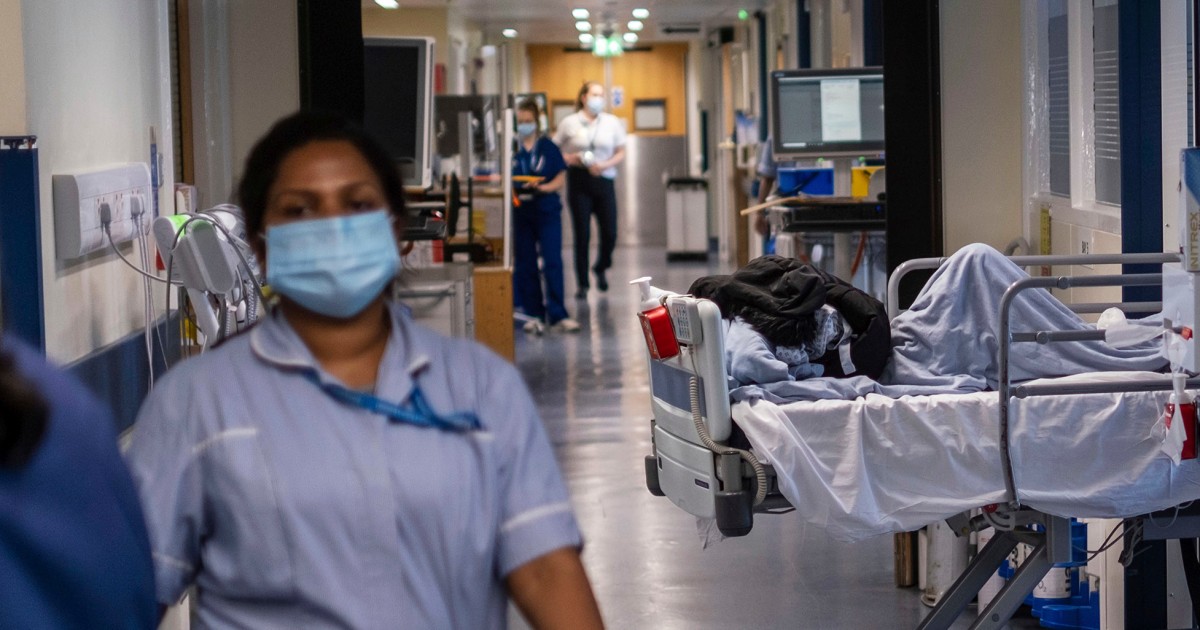
The reality is that Britain’s beloved institution is increasingly overshadowed by crisis. “Corridor care” — the practice of treating patients in hallways due to overcrowding — has become a common theme in the news, with hospital staff consistently stretched beyond their limits. NHS nurse Alison Ferris, gripped by both pride and frustration, laments, “Every day, we give our all, yet it’s never enough. The system needs bolstering if we’re to uphold Bevan’s legacy.”
As public sentiment towards the NHS drifts toward dissatisfaction, radical political voices rise. Nigel Farage, leader of the Reform UK party, openly challenges the foundational funding model of the NHS. “It doesn’t work — it’s not working,” he claims, stirring fears of creeping privatization that echoes the corporate model of American healthcare. Yet, many anxiously debate the implications of such moves, wary that the breaking down of an institution that symbolizes collective responsibility could lead to an irreversible transformation.
Future Directions: Searching for Solutions
Despite the pervasive gloom, some experts remain optimistic. “The NHS’s value remains mostly intact, rooted deep in British society,” argues Dr. Samuel Peters, a health economist who has studied healthcare models worldwide. “But without reform and increased funding, we risk losing what makes it unique.”
Recent pledges by the Labour government to propel NHS Online initiatives by 2027 signal an understanding that modernization is essential, yet advocates warn that such projects must be backed with proper funding. “Just a digital overhaul isn’t a panacea,” cautions Roy Lilley, a former NHS executive and current health consultant. “We must address systemic issues plaguing the service from the ground up.”
As Sheen’s performance captivates enthralled audiences, it serves as more than entertainment; it’s a rallying cry for a society that must not lose sight of its values. “The NHS was born from necessity in a bleak period of history, and now, in 2023, we find ourselves at another inflection point,” Sheen adds, emphasizing the urgency of the moment. “We must reclaim and refurbish these ideals.”
“Nye” has become not just a play but a poignant reminder of what hangs in the balance. Should the NHS falter, it may take generations to restore the faith and trust embedded within its founding principles. Thus, the tale of Nye Bevan resonates, driving home an essential truth: the fight for the NHS is, ultimately, the fight for the heart of Britain itself.
Source: www.nbcnews.com

