


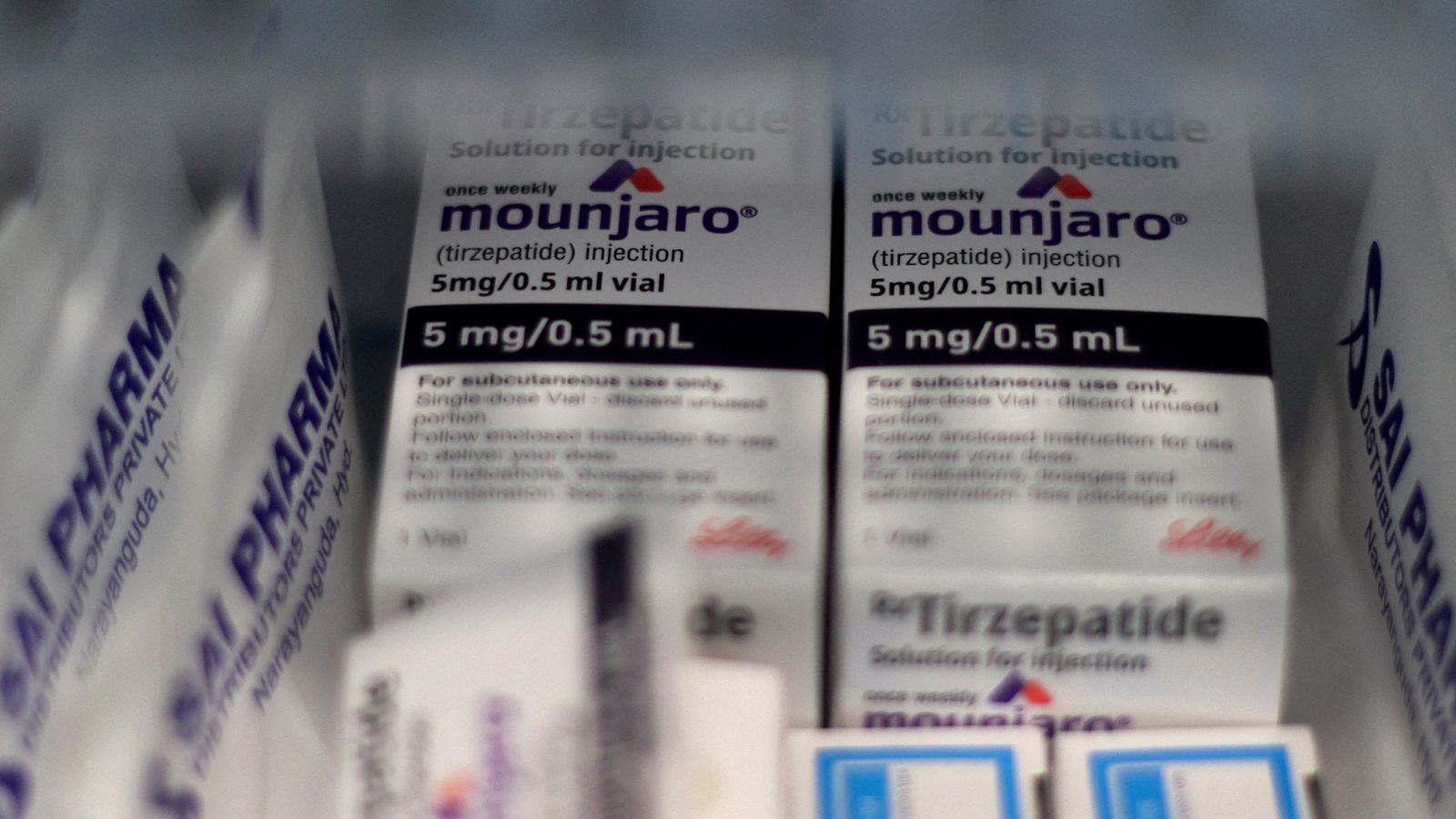
The UK Cost of Weight Loss Drug Mounjaro Will Increase by Up to 170%
As patients across the UK grapple with obesity, a potential lifeline in the form of the weight loss drug Mounjaro is becoming a distant dream for many. Announced by US manufacturer Eli Lilly, the steep price increase—set to escalate from £122 to £330 for a month’s supply—has ignited widespread concern. Just as health professionals and patients alike begin to grapple with the implications of this 170% price hike, a deeper look reveals layers of economic and healthcare policy that complicate this seemingly straightforward pharmaceutical transaction.
Setting the Scene: Pricing in the UK vs. US
While UK residents have come to rely on the NHS for affordable healthcare, the dynamics of medication pricing, particularly with Mounjaro, are shifting dramatically. Despite a separate pricing agreement with NHS trusts, Eli Lilly’s pricing model is revealing a stark dissonance between the UK and the US healthcare systems. The recent announcement aligns the UK list price more closely with those in other European countries where Mounjaro is sold. The rationale presented by Lilly is clear: to “rebalance” prescription drug costs across developed markets.
The U.S., notoriously high in drug costs, pays almost three times more than countries like the UK or Canada. A report from the Health Policy Institute estimates that the average American spends about $1,200 annually on prescription drugs, compared to just $400 in the UK. “The U.S. market’s inflated prices create a ripple effect overseas,” explains Dr. Emily Harrington, a health economist based in London. “As companies look to offset costs in their home market, countries like the UK become collateral damage.” This sentiment is echoed by a recent study from the International Journal of Pharmaceutical Economics, predicting increased pressure on UK drug prices as U.S. pharmaceutical corporations seek profitability.
The Consequences for Patients
The repercussions of this pricing shift are already manifesting within the UK healthcare landscape. A report by Sky News highlighted that only eight of the 42 NHS Integrated Care Boards in England are currently providing Mounjaro to patients. Many others struggle to guarantee availability, amplifying an existing feeling of isolation for those reliant on pharmaceutical solutions for obesity management.
- Only eight NHS Integrated Care Boards out of 42 offer Mounjaro.
- Patients face uncertainty regarding treatment availability.
- Private and online pharmacies may become the primary access points for the drug.
“This increase could effectively create a postcode lottery for weight loss drugs,” warns Dr. Samuel Norrington, a public health policy advisor. “Cost should not dictate health outcomes, yet here we are, flirting with that very reality.” The term “postcode lottery” refers to the varying availability of treatments based on geographical location, a persistent issue amplified by these recent changes. For many, the weight-loss drug represents not just a pathway to physical well-being but also psychological stability and a sense of control over their health.
The Political Implications
This situation is exacerbated by political maneuvering at the highest levels. Under the current administration, the White House is advocating for lower domestic prices while simultaneously endorsing price increases abroad. “If Americans are to benefit from the latest innovations in pharmaceuticals,” states Tom Kaplan, an analyst at the Center for Health Economics, “then somehow, other markets must bear the financial burden.” This creates an ethically complex scenario where the advancements in medical technology come at the cost of health equity.
Interviews with health policy experts reveal widespread concern about the ramifications of U.S. pharmaceutical practices: “The narrative of American exceptionalism in healthcare is becoming increasingly untenable,” posits Dr. Fiona Chen, a global health researcher. “We cannot justify pricing policies that disproportionately disadvantage international markets for the sake of profit.” The systemic imbalance raises fundamental questions about pharmaceutical ethics, health equity, and the prioritization of profit over patient care.
A Path Forward?
As pressure mounts, advocates for healthcare reform are calling for a clearer understanding of pharmaceutical pricing. Some suggest that greater transparency around corporate pricing strategies could foster informed discussions about the accessibility of life-altering medications. For instance, a coalition of health experts led by the National Institute of Health Equity has proposed a series of reforms, including:
- Mandated transparency in drug pricing structures.
- Stricter regulations on price hikes in international markets.
- Enhanced negotiation powers for national health systems.
Yet, the path forward is fraught with obstacles. Eli Lilly’s assertion that their revised pricing structure is necessary to sustain biopharmaceutical innovation holds a ring of truth, as research and development in this space require immense financial investment. The challenge now is to balance these economic realities with ethical responsibilities to healthcare users worldwide.
Public Sentiment
The rising cost of Mounjaro has ignited ire among patients and health advocacy groups, with many taking to social media to express their frustration. Calls for action have led to petitions demanding the UK government negotiate more robust deals with pharmaceutical companies to ensure wider access to crucial medications.
Meanwhile, the looming specter of this price increase remains a critical issue for those seeking relief from obesity-related health problems. The stark reality is that while some patients may feel abandoned in their search for affordable treatment, the wider implications extend beyond individual lives to the very fabric of global healthcare.
The clash between the necessity for profitability in the pharmaceutical industry and the fundamental right to health is becoming increasingly pronounced. As the UK prepares for the enforcement of this new pricing model in the coming month, the true winners and losers will only become evident with time. For now, the debate continues as stakeholders grapple with both the economic and ethical dimensions of healthcare in an ever-globalized world.
Source: news.sky.com

