


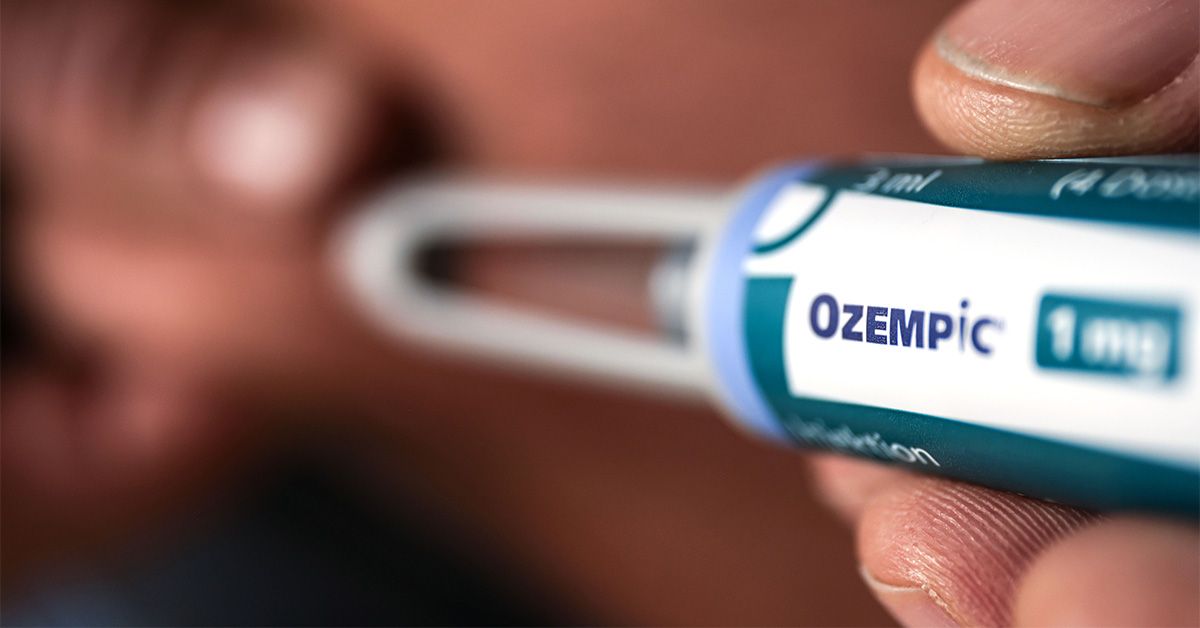
What Should You Know About GLP-1 Microdosing for Weight Loss?
Every month, thousands of individuals in the United States turn to GLP-1 medications like Ozempic in hopes of shedding excess weight. A patient sits nervously in the doctor’s office, contemplating a life-changing injection, yet weighing the intense costs associated with it—both financially and physically. Recent studies reveal that over half of Americans undertaking these treatments find them financially burdensome, navigating the complex landscape of healthcare while seeking a path toward better health. As this trend burgeons, a new term has emerged in the conversation: microdosing.
The Rise of GLP-1 Microdosing
GLP-1 medications, originally designed to treat type 2 diabetes, have taken center stage in the realm of weight management. Researchers estimate that around 12% of U.S. adults have used these medications for weight loss. Yet, a staggering 54% report finding them difficult to afford. This gap has spurred innovation, leading to platforms like Noom launching their Microdose GLP-1Rx Program. The initiative intends to tackle both cost and side effect issues by personalizing dosage.
- Affordability: More than half of those using GLP-1 medications struggle with costs, even with insurance.
- Personalization: Microdosing offers a potential solution by tailoring doses to individual needs.
- Uncertainty: As a novel approach, microdosing remains largely unstudied, raising questions about its safety and efficacy.
What is Microdosing?
Dr. Maria Cecilia C. Asnis, a leading obesity specialist, describes microdosing as a “buzzy term” in weight management. While it captures public imagination, the principle of adjusting medication based on individual responses is not new. “Every person has unique needs and goals,” she tells Medical News Today (MNT). “The ‘dose’ they require to achieve success is unique as well.”
Dr. Babak Orandi, a specialist in obesity medicine at NYU Langone, echoes this sentiment. He emphasizes that microdosing is not an entirely foreign concept; many providers have long advocated for flexible dosing based on patient responsiveness. “If patients tolerate lower doses better, there’s no requirement to escalate the dose quickly,” he explains, highlighting a more personalized approach to prescribed treatments.
How Microdosing Differs from Conventional Dosage
Unlike traditional prescriptions for Ozempic, which begins at 0.25 mg weekly, microdosing may start at 25% or less of that dose, allowing for a bespoke experience. Registered dietitian Kayley George notes that Noom’s program emphasizes low initial dosages, presenting a promising alternative for patients hesitant to take a standard dose.
While this customization seems advantageous, questions abound. According to Dr. Jennifer Cheng, chief of endocrinology at Hackensack Meridian, microdosing remains an experimental approach. “There’s a lack of published studies that document its safety and efficacy,” she cautions. “The truth is, we don’t yet know if it offers real benefits or merely the illusion of control.” An uneasy tension hangs in the air, with practitioners advocating for caution amidst the rising tide of enthusiasm.
Risks and Considerations
Dr. Mir Ali, a bariatric surgeon, highlights that while microdosing is unlikely to be harmful, it may render the medications less effective for many patients. “Most will require higher doses to experience significant results,” he concludes. For some patients, microdosing could serve as a maintenance strategy after achieving weight loss, but relying solely on this method risks stagnation.
Potential side effects persist, even at lower doses. Dr. Cheng mentions symptoms like nausea, vomiting, and headaches could still manifest. Moreover, the risk of gastrointestinal issues looms large, with serious complications possible from slowed digestion.
Compounding Concerns
Microdoses often come from compounding pharmacies, raising additional risks. While Noom claims to work only with FDA-inspected facilities, experts underscore that compounded medications lack the rigorous scrutiny standard drugs undergo. “This opens a window to quality control issues,” says George. “It’s paramount that patients understand these aspects before embarking on microdosing.” Compounding can offer customized options but does so at potential safety and regulatory costs.
The Road Ahead
As the dialogue surrounding GLP-1 microdosing evolves, many health experts call for a balanced perspective. Dr. Ali suggests that “more affordable versions of GLP-1 medications will inevitably emerge, but for now, patients must approach microdosing with caution.” Alongside careful sourcing, close medical oversight is essential. “Monitoring long-term use is crucial,” emphasizes Dr. Asnis, pointing to the need for comprehensive evaluations that extend beyond subscription services. She insists that patient outcomes must take precedence over profit margins if we are to combat the urgent issue of obesity in America.
While the allure of microdosing seems promising, it remains laden with uncertainties. Individuals considering this path should engage their healthcare providers in meaningful conversations about the risks and benefits associated with these medications. As Dr. Cheng wisely notes, “It is better to use FDA-approved treatments rather than experimental and unproven ones.” In the world of weight loss, the choices we make and the information we embrace will ultimately shape our understanding of health in the 21st century.
Source: www.medicalnewstoday.com

