


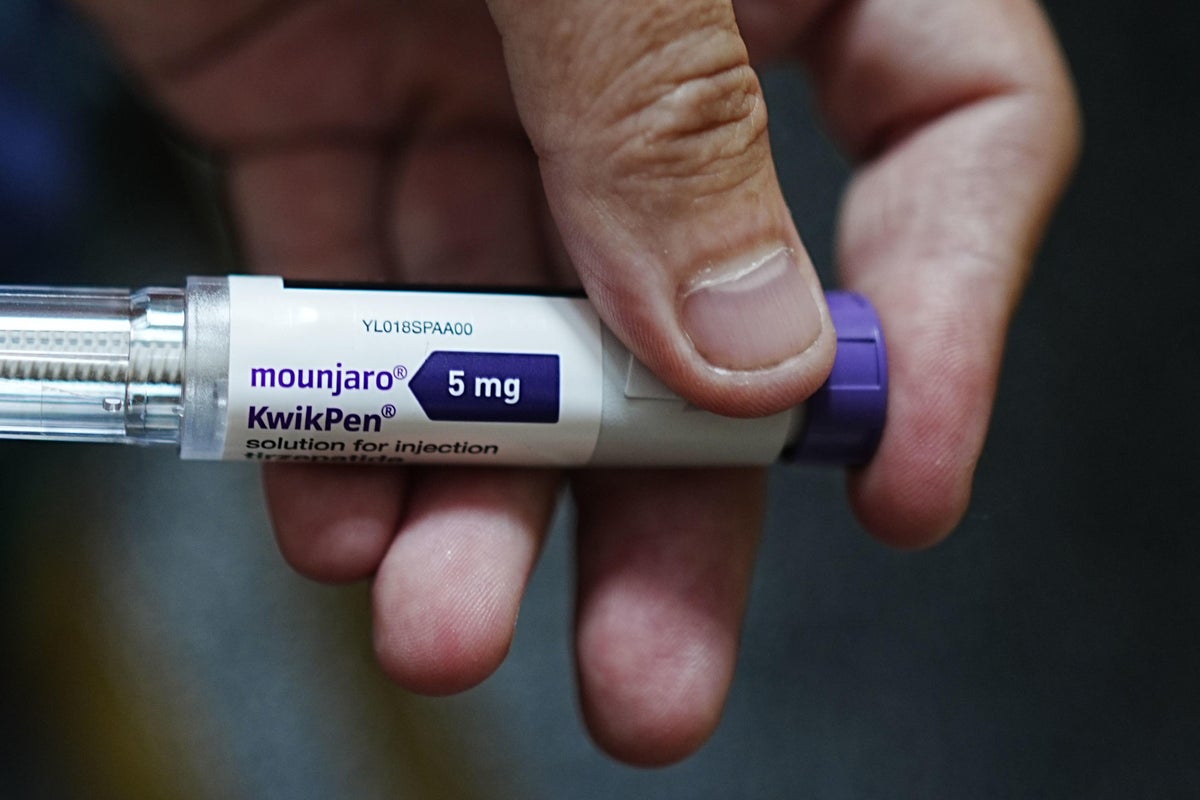
The Unsustainable Surge in Demand for Weight Loss Jabs
As the sun begins to rise over London’s bustling streets, a community pharmacy in Camden is attracting a crowd, not for its usual offerings of medications and consultations, but for the promise of weight loss jabs. On this particular morning, the air is thick with anticipation. Inside, a young woman, teetering on the edge of anxiety, waits for her consultation. She’s among the increasing number of Britons captivated by the allure of injectable medications like Wegovy and Mounjaro—drugs that have been heralded as game-changers in the battle against obesity. But as demand soars, experts warn that the burgeoning interest could be unsustainable and fraught with peril.
Unprecedented Interest in Weight Loss Treatments
The National Pharmacy Association (NPA) recently unveiled polling data that reveals a startling reality: 21% of surveyed individuals have sought weight loss treatments in the past year, with the figure rising to 35% among those aged 16 to 34. This rapid increase highlights not only a cultural shift towards weight loss solutions but also the potential for misuse and overprescription, particularly among those who may not be clinically eligible for such treatments.
Olivier Picard, chairman of the NPA, succinctly captures this dichotomy: “Weight loss jabs are one of the biggest drug innovations this century, but growing demand underscores the importance of appropriateness in treatment. Many more people are interested in getting weight loss jabs than would actually be suitable for treatment.”
The Role of Social Media
Many experts believe that the thorny issue is exacerbated by social media, where success stories from influencers can proliferate misinformation. Dr. Janet Harper, a consultant obesity specialist, notes, “The sanitized versions of quick fixes are dangerous. They encourage individuals to overlook the rigorous evaluations necessary for medical treatments.” As behavioral changes often accompany drug regimens, the rush for these jabs might ignore the fundamental need for comprehensive lifestyle management.
Regulatory Concerns and the Rise of Online Suppliers
With spiraling demand, the NPA raises alarms about the perilous shift towards unregulated online suppliers. Many individuals, in their quest to lose weight, may circumvent established pharmacies, opting instead for dubious online providers who lack the structured behavioral programs vital for long-term success. Picard warns, “Online suppliers may not deliver alongside a tailored plan, leaving patients vulnerable.”
The Clinical Landscape of Weight Loss Jabs
Currently, Wegovy and Mounjaro are only recommended for patients with a Body Mass Index (BMI) over 30 or between 27 and 30 with associated health conditions like diabetes or hypertension. Data from the NPA indicate that the NHS has only rolled out Mounjaro to patients whose BMI exceeds 40, alongside multiple comorbidities. This raises the question: what happens to those who, fueled by social media pressure, seek treatment regardless of their medical status?
- Inappropriate self-diagnosis can lead to unregulated drug use.
- Patients may suffer from psychological effects linked to stigma and body image.
- Long-term health impacts remain poorly understood.
Pharmacists at the Forefront of Weight Management
Despite the challenges, the role of pharmacists is becoming increasingly pivotal in managing this weight loss epidemic. Picard emphasizes, “Pharmacists are experts in medication and have the expertise to deliver weight loss injections effectively. They can provide crucial lifestyle advice as part of the care package.” Their involvement could ensure that weight loss jabs are used judiciously, coupled with rigorous consultations that assess each individual’s health history.
However, as the NPA continues to push for more robust regulations around online sales, they acknowledge the need for pharmacies to educate the public about what constitutes responsible medical treatment. An internal report revealed that in April alone, pharmacies accounted for at least 85% of weight loss medication prescriptions. This illustrates their undeniable position in the healthcare ecosystem, making their advocacy for regulation all the more imperative.
What Lies Ahead
As the landscape of weight loss treatment evolves, strategies must pivot to accommodate both current demand and future sustainability. This includes educational initiatives against self-prescribing practices driven by social media influences. A study from the University of London suggests that over 60% of young adults often turn to social platforms for health information, indicating an urgent need for accurate, science-based guidance.
As the demand for weight loss jabs surges and clinical eligibility remains a challenge, the ethical landscape grows more complex. It isn’t merely about prescriptions—it’s about responsible care and ensuring that medications are administered to those who need them most.
For the woman in the Camden pharmacy, her desire for a quick fix intersects with a healthcare system struggling to keep pace with societal pressures. With every jab represents an opportunity, a risk, and a reminder that sustainable health cannot flourish in isolation from comprehensive lifestyle changes. As the sun sets on her consultation, one question lingers: can society find a balanced approach to health, weight, and the pressures of a digitally driven age?
Source: www.independent.co.uk

