


No drip, no delay: New cancer injection cuts treatment time to just minutes in the UK
In a dimly lit hospital room, Margaret Johnson, a 52-year-old breast cancer survivor, received her latest round of immunotherapy. Traditionally tethered to an IV for agonizingly long hours, this time was different. As the nurse expertly prepared a quick injection of nivolumab, Margaret breathed a sigh of relief—a treatment that once consumed her day now took just minutes. This innovation, heralded by the NHS, promises not only to change cancer care but to transform lives.
What the injection really is: and why it matters
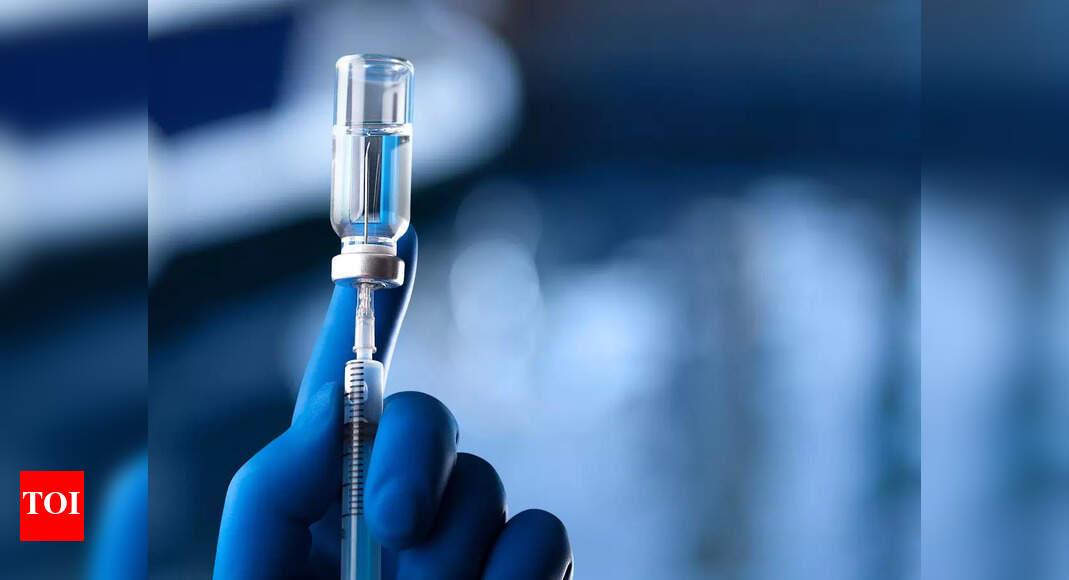
The jab, known as nivolumab, represents a significant advancement in immunotherapy. This powerful agent bolsters the body’s immune response against cancer cells but has traditionally required infusion through an intravenous (IV) drip, often lasting up to 60 minutes. The newly introduced under-the-skin delivery method reduces this to a mere 3 to 5 minutes.
“This isn’t just about treatment; it’s about redefining a patient’s journey,” says Dr. Sarah Whitmore, an oncologist at Royal London Hospital. “The time saved can significantly impact their quality of life.” The shift is not only medically relevant but emotionally liberating, as patients reclaim hours once lost to treatment visits.
Less time in hospitals, more time for living
Picture someone like Margaret, who requires treatment biweekly. The prior system meant at least two hours monthly spent in a hospital, from arrival to departure. With the new injection, that hour-long wait evaporates, freeing up precious moments for family interaction, work responsibilities, or even just a moment of solace at home.
“Patients are finding they can return to their daily lives more swiftly,” notes Dr. Neil Parker, a health policy expert at Imperial College London. He refers to a recent study which indicated that nearly 78% of patients prefer injectable therapies over their intravenous counterparts, primarily for the reduced time and increased comfort involved.
- Time Efficiency: Treatment reduced from 60 minutes to 3-5 minutes.
- Patient Satisfaction: 78% preference for the injectable over IV.
- Healthcare Impact: NHS staff saving approximately 1,000 hours monthly.
The implications extend beyond individual experiences; they ripple through the healthcare system. NHS teams can allocate saved hours to manage patient volumes better, optimize appointment schedules, and reduce waiting times for those still in traditional treatment regimens.
Who will benefit? Facts behind the figures
Nivolumab has not just expanded the landscape of cancer treatment; it targets around 15 cancer types, including skin, bladder, and esophageal cancers. The NHS estimates that approximately 1,200 patients monthly in England will benefit from this transition, including both newcomers and those who are already on IV nivolumab.
“There’s an undeniable need for this innovation in cancer care,” states Dr. Emily Carver, lead researcher at the National Institute for Health Research. Her recent findings showed that close to 40% of patients currently reliant on IV therapy could transition to the injectable form, aligning clinical needs with patient preferences.
The efficacy of the injectable formulation is also reassuring; clinical trials reveal that the new method maintains comparable effectiveness to traditional IV treatments. “Our data shows no statistically significant difference in patient outcomes, despite the shift in delivery,” Dr. Carver explains, underscoring the safety and effectiveness of this advancement.
An unprecedented aspect of this rollout is its financial structure. The NHS has negotiated directly with the manufacturer, eliminating any additional cost associated with the new delivery method. “This marks a rare instance where a healthcare innovation is both beneficial to patients and sustainable for the system,” affirms Dr. Parker.
This initiative embodies a broader movement within the NHS—evidencing a commitment to smarter healthcare practices that maximize the use of resources while simultaneously enhancing the patient experience.
This shift is echoed in the voices of patients. As Margaret reflected during her visit, “What used to be a drain on my energy has transformed into a minor blip. With every jab, I feel not just my health improving, but my life returning.” Her story resonates with thousands who face similar journeys, underscoring the emotional weight that a quick injection can lift.
The new delivery method of nivolumab promises a brighter horizon for countless patients, indicating that even small adjustments in healthcare can yield profound impacts on quality of life. Margaret Johnson’s journey encapsulates more than a medical treatment; it embodies hope, resilience, and the power of innovation to redefine the cancer care experience.
Source: timesofindia.indiatimes.com

