


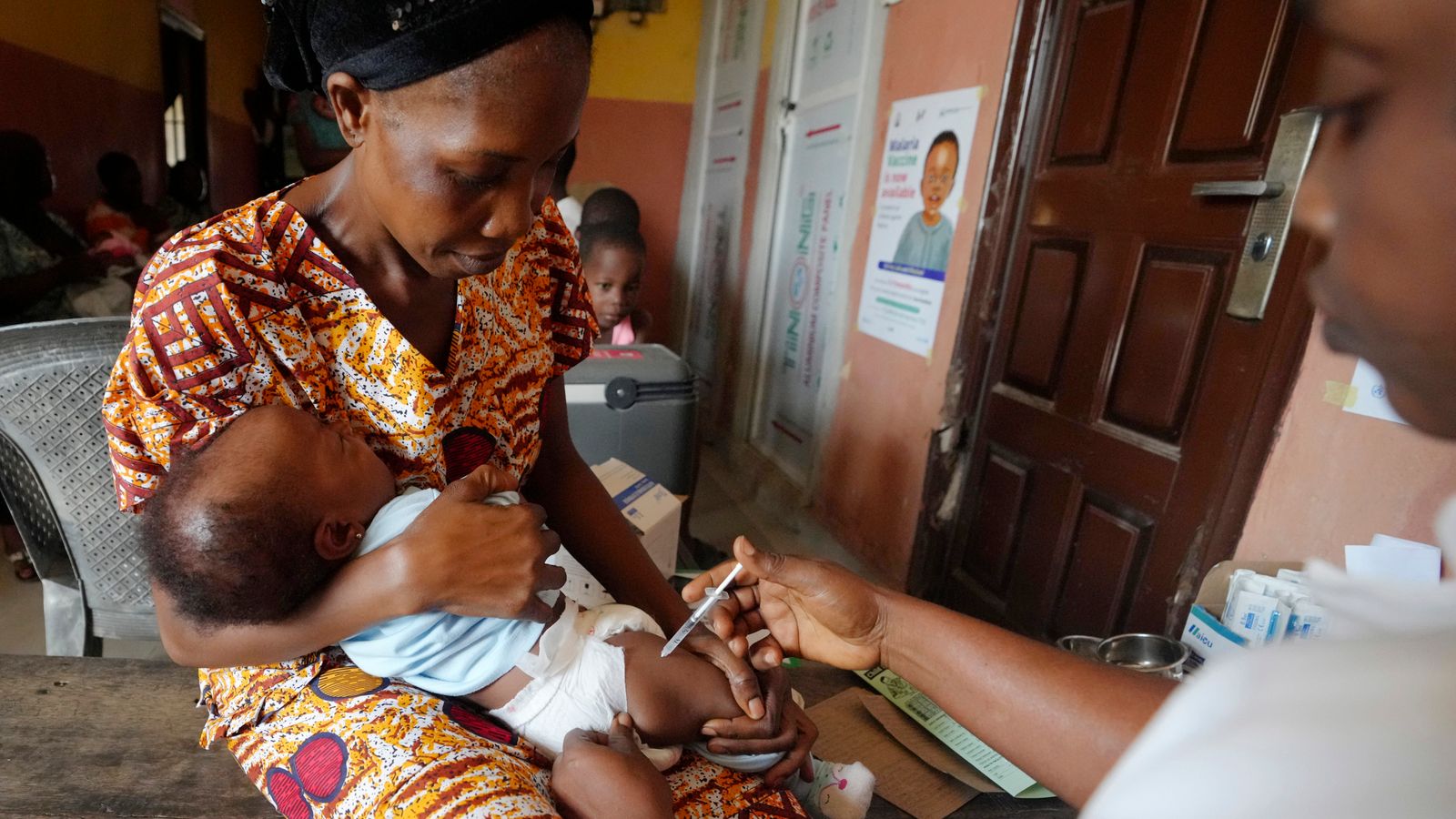
The First Malaria Treatment for Babies and Young Children Has Been Approved for Use
In a decisive breakthrough for global health, the first malaria treatment specifically designed for babies and young children has received approval for use. This revolutionary drug, known as Coartem Baby or Riamet Baby, offers hope to millions of families living in malaria-endemic regions, where access to effective treatment for their most vulnerable members has long been a challenge.
A Sweet Solution to a Bitter Problem
For years, healthcare providers have faced the daunting task of treating infants weighing less than 4.5 kg (approximately 10 lbs) who contract malaria. These young patients were traditionally administered adult formulations of malaria drugs, increasing the risk of overdose due to their immature livers. “The available malaria treatments have only been properly tested in children aged at least six months because smaller infants are usually excluded from treatment trials,” explained Professor Umberto D’Alessandro from the London School of Hygiene and Tropical Medicine. The dire need for safe, effective treatment in this demographic sparked innovation.
The newly approved medication is dissolvable in various liquids, including breast milk, and boasts a cherry flavor to improve adherence when administered to infants. Its formulation represents a monumental shift in how malaria is treated in the youngest populations, making administration not just feasible but also palatable. “This is a game-changer,” continued Professor D’Alessandro. “It transforms the treatment landscape for babies, potentially saving countless lives.”
The Clinical Trials: A Global Effort
The treatment was developed by Novartis with scientific and financial backing from the Medicines for Malaria Venture (MMV), a Swiss non-profit organization dedicated to eliminating malaria. Its effectiveness was rigorously tested in clinical trials across eight African nations: Burkina Faso, Côte d’Ivoire, Kenya, Malawi, Mozambique, Nigeria, Tanzania, and Uganda. Preliminary data revealed that malaria infection rates among infants under six months ranged from 3.4% to a staggering 18.4%, illustrating the urgent need for targeted interventions.
Key Findings from the Clinical Trials
- The medication showed a significant reduction in malaria symptoms.
- Adverse side effects were minimal and manageable.
- Parents reported improved compliance due to the drug’s palatable formulation.
The trials garnered enthusiastic support from local health authorities and parents alike. A mother from Tanzania, who participated in the trial, shared her relief: “I was terrified every time my baby got sick. Knowing there’s now a safe treatment for infants brings hope.”
Expanding Access Across Africa
With approval now secured, plans are underway for the rapid rollout of Coartem Baby across Africa, where approximately 30 million babies are born in malaria-endemic regions annually. The initiative focuses on providing the drug on a largely not-for-profit basis, making it accessible to families who need it most. “Cost should never be a barrier to saving lives,” affirmed Dr. Clara Ouedraogo, a public health expert in Burkina Faso.
While the immediate impact of this new treatment is being celebrated, experts caution that the fight against malaria is far from over. According to a study published in *The Lancet*, over half of the world’s population could be at risk of mosquito-borne diseases like malaria and dengue by the end of the century. “Our challenge is to not only provide treatment but also preventive measures,” stated Dr. Joseph Malema, an epidemiologist based in Uganda. He also noted the significance of combining treatments with preventative strategies, such as bed nets and insecticide use.
The Future of Malaria Treatment
The approval of Coartem Baby is not the only innovative strategy in the fight against malaria. In recent developments, scientists have been experimenting with genetic modification of mosquitoes to curb the spread of the disease. These efforts, if successful, could lead to a future where a mosquito bite in malaria-affected regions no longer carries a death sentence.
The introduction of Coartem Baby is a monumental leap toward reducing infant malaria mortality rates, but as experts point out, it must be part of a broader strategy. “While we celebrate this advancement, we must remain vigilant and proactive in our efforts to combat malaria comprehensively,” concluded Professor D’Alessandro. “Every life saved gives us another opportunity to focus on prevention, education, and ultimately, eradication.”
As families eagerly await the available rollout of Coartem Baby, the future glimmers with hope—not just for infants but for broader efforts against a disease that has claimed countless lives. The road ahead will require dedication, resources, and collective action. Only then can we hope to extinguish the shadow of malaria that looms over millions of fragile lives.
Source: news.sky.com

