


Transforming Mental Health Spaces: Art’s Role in Healing
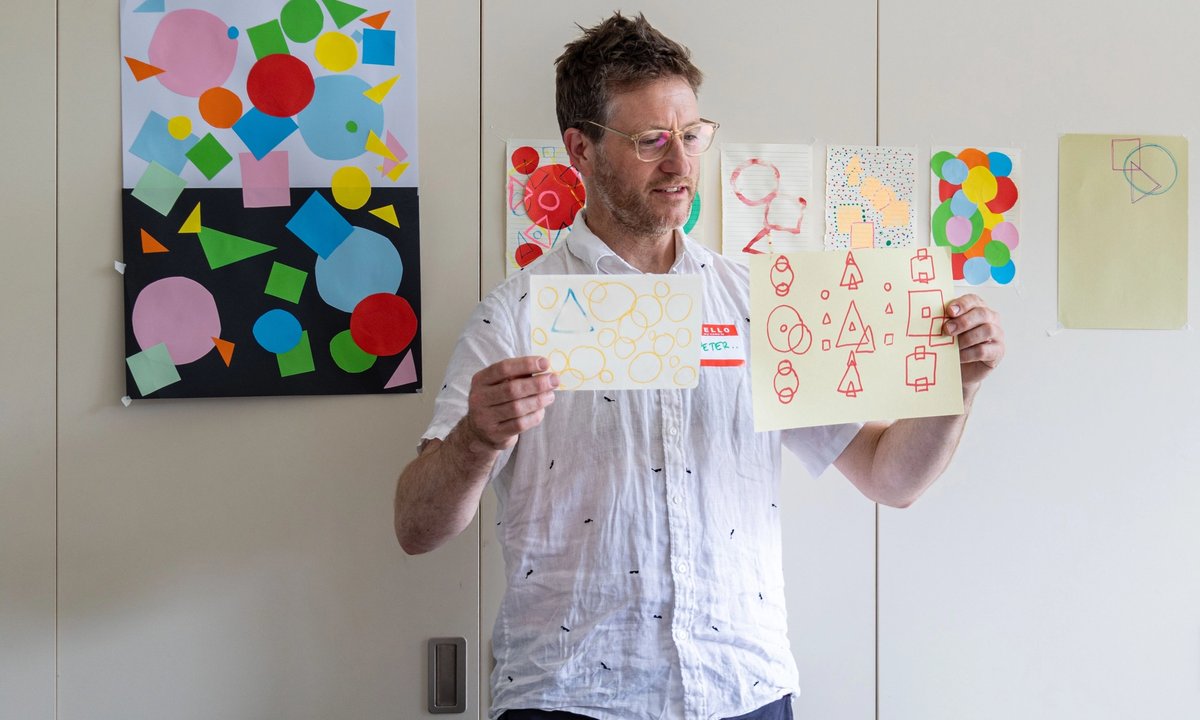
In a quiet corner of North East London, a bold mural begins to take shape. Vibrant hues swirl together, casting away the sterile atmosphere typically associated with hospital walls. This intervention, spearheaded by artist Lakwena Maciver, is not just an aesthetic choice; it’s a lifeline for patients grappling with mental health challenges. As part of a groundbreaking initiative led by the charity Hospital Rooms, Maciver is one of over 50 artists collaborating to redefine the environment within UK mental health hospitals. The aim? To create spaces that heal, inspire, and offer a sense of belonging.
The Inception of Change
Backed by a significant £600,000 Arts Council England National Lottery grant, the project emerges from years of research and evaluation. “We spent a substantial amount of time on research and development, and our artists have been selected based on what we have learned at each site,” explains Niamh White, co-founder of Hospital Rooms. The artists were chosen not only for their talent but also their ability to connect with the unique ethos and needs of the hospitals involved. Veronica Ryan, for instance, will unveil her work in Bristol, having spent time understanding the community she is serving.
Art as Therapeutic Intervention
The theoretical foundation for art’s impact on mental health is deep-rooted. Numerous studies cite that creative expression can significantly improve mental well-being. According to Dr. Eleanor Langston, a clinical psychologist at the Royal London Hospital, “Art encourages expression when words fail. In a setting where patients often struggle to articulate their emotions, art becomes a powerful alternative.”
In a recent study published in the *Journal of Mental Health and Wellbeing*, researchers found that patients exposed to art in therapeutic settings demonstrated a 30% reduction in anxiety levels. The correlation between art and well-being is not merely anecdotal; it is increasingly supported by hard data. This project thus stands as a testament to the healing potential of creativity.
A National Framework for Equal Access
The new initiative is not just about immediate artistic interventions; it aims to create a lasting framework for integrating arts in mental healthcare. Hospital Rooms plans to develop a National Framework for Equal Access to Arts in Mental Health Services. This framework will focus on creating “trauma-informed, autism-friendly, and culturally competent” programs. A project statement emphasizes this commitment: “We aim to develop creative programs that acknowledge the diverse backgrounds and experiences of patients.”
- Trauma-informed care: Understanding patient backgrounds to tailor artistic experiences.
- Autism-friendly initiatives: Providing sensory-sensitive art opportunities.
- Cultural competence: Recognizing and respecting the diverse experiences of patients.
“This is a natural culmination of nine years of work,” asserts White, referring to the organization’s journey thus far which has seen them decorate 44 different wards. “We’ve drafted a curatorial methodology that is informed by the lived experiences of our patients.” This approach signifies a cultural shift from occasional art installations to a systemic embedding of creative expression in mental healthcare.
Catalysts for Community Engagement
As Hospital Rooms seeks to collaborate with key cultural institutions—such as Tate and The Hepworth Wakefield—the initiative illustrates a comprehensive approach to community engagement. “We’ll be a catalyst, going into these venues for up to two years,” notes White. This will include workshops that not only serve inpatients but also reach out to community mental health services.
The planned partnerships aim to foster a meaningful exchange between cultural sites and mental health services, facilitating a continuous dialogue that benefits all parties involved. Dr. Marcus Eban, a researcher at the Centre for Arts and Mental Health, emphasizes, “Such collaborations can enrich cultural institutions while providing mental health services with much-needed resources.”
The Personal Narrative Behind the Initiative
For White and her co-founder, Tim Shaw, this mission is deeply personal. Reflecting on the project’s inception, White cites a close friend who was sectioned after a suicide attempt as the impetus for their work. This direct connection to mental health challenges has fueled their commitment to bridging the gap between art and therapy. “We feel it’s not just our responsibility; it’s our privilege to facilitate this dialogue,” she shares.
The artistic value extends beyond canvas and walls; it becomes part of the patients’ narratives, alters perceptions, and fosters a shared community. In one case, a young patient in Birmingham expressed newfound hope through a collaborative mural creation process with Alberta Whittle, leading to impromptu discussions among patients about emotions and wellness.
Looking Ahead
As Hospital Rooms prepares for its upcoming exhibition, *Shape Shift Converse Rework*, at Hungate Medieval Art in Norwich, the organization is poised to shape the conversation surrounding mental health and art in the UK further. Featuring works from various renowned artists, the exhibition is scheduled to run from 2 to 27 July, signaling a continued commitment to this crucial cause.
The profound potential of art to influence mental health care extends far beyond aesthetics; it embodies a progressive movement towards holistic healing methods. With ambitious plans set in motion, including the introduction of a scalable model to integrate arts programs across the country, the initiative stands as a beacon of hope, ensuring that in the realm of mental health treatment, creativity is not just an option—it is an essential component of recovery.
Source: www.theartnewspaper.com

