


Measles Vaccination: The Urgent Need for Awareness Among Travelers
A chilling silence enveloped a corner of an airport terminal in July. A young traveler, recently returned from a Southeast Asian country experiencing a measles outbreak, slumped against a wall, her forehead glistening with fever and her cheeks flushed. Hours later, what began as a fatigue brought on by jet lag transformed into a series of alarming symptoms: a cough, a runny nose, and the unmistakable red spots that herald the onset of measles. Within days, she unwittingly spread the virus, exposing countless others during her journey—a stark reminder that ignorance is as infectious as the disease itself.
Measles, that nearly eradicated viral disease, is staging a comeback. Outbreaks in the United States and several other countries have prompted health officials to urge international travelers to ensure they are fully vaccinated. With the resurgence of this airborne virus, the urgency to protect vulnerable populations has never been higher.
The Resurgence of Measles
Measles is one of the most contagious diseases known, with 90% of susceptible individuals becoming infected after exposure. According to the World Health Organization (WHO), global measles cases rose by 50% between 2019 and 2020, attributing much of this alarming trend to declining vaccination rates. In the United States, 2023 has already witnessed a 150% increase in reported cases compared to the previous year, straining resources and prompting a renewed push for public health initiatives. Dr. Emma Rivera, an epidemiologist at the CDC, stated, “Inadequate vaccination coverage is a ticking time bomb. We must act before it’s too late.”
Not only children but also older adults, unvaccinated populations, and immunocompromised individuals are at risk. However, a crucial demographic often overlooked is travelers—a group that frequently finds itself in closed spaces, where measles can easily spread.
Mechanisms of Spread
Experts agree that measles spreads primarily through respiratory droplets expelled when an infected person coughs or sneezes. The virus can reside in the air or on contaminated surfaces for up to two hours, making enclosed areas—such as public transportation—ideal environments for transmission.
Assessing Risk during Travel
To ascertain personal risk while traveling, individuals should consider several factors:
- Vaccination status
- Underlying health conditions
- Current global hotspots for measles outbreaks
Dr. David Cutler, a family medicine physician in Santa Monica, highlighted that “assessing your susceptibility while traveling is paramount. Individuals must be aware of their vaccination history and the outbreak statuses of their travel destinations.”
Safety Measures for Travelers
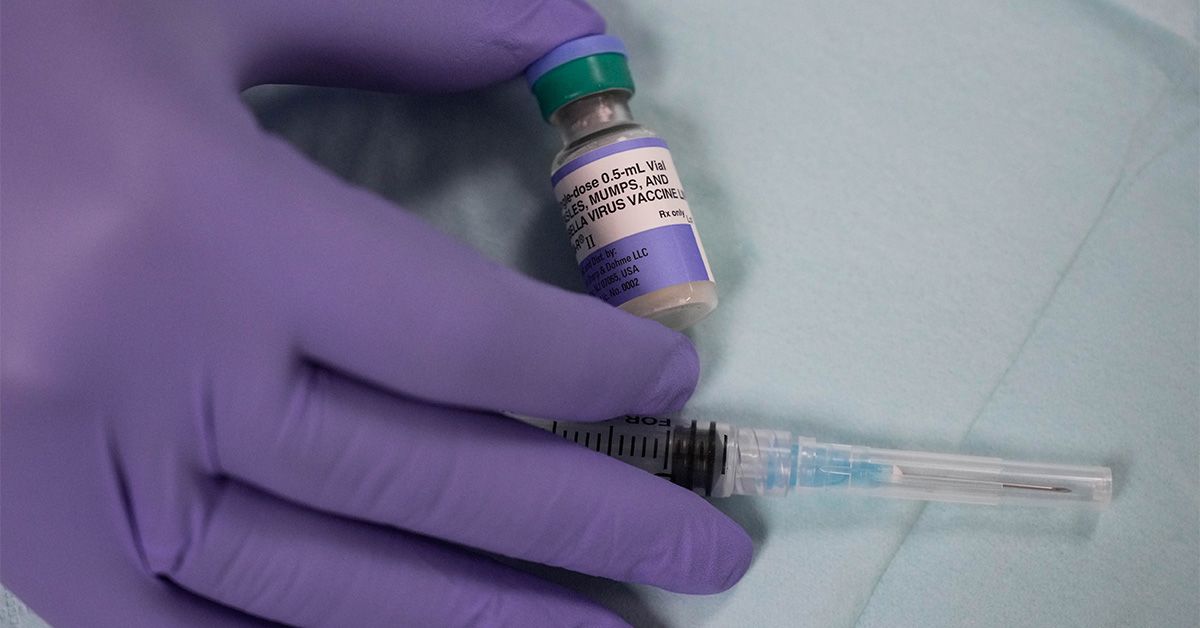
To minimize risk, the most effective strategy remains vaccination. Individuals are advised to get the MMR (measles, mumps, and rubella) vaccine at least two weeks prior to their departure. For those over the age of 12 months, a two-dose series is recommended. Dr. Monica Gandhi, an infectious disease specialist, emphasized, “Vaccination is not just a personal shield; it’s a public health necessity for protecting those who cannot be vaccinated.”
Additional Protective Measures
While vaccination is the cornerstone of prevention, the following measures can enhance safety:
- Wearing N95 masks in crowded or poorly ventilated areas
- Practicing hand hygiene frequently
- Avoiding close contact with individuals exhibiting signs of illness
It’s worth noting that travelers should aim to sit in well-ventilated areas and maintain physical distance from others whenever possible. “Being mindful of your surroundings can significantly lower your risk of exposure,” Gandhi remarked.
Post-Travel Monitoring and Response
Anyone returning from an area with active measles outbreaks should monitor their health for at least three weeks. Common symptoms such as fever, cough, and rashes usually manifest about 7-14 days after exposure. Early legal and medical experts recommend that individuals contact healthcare providers upon experiencing symptoms, especially if they were in crowded places.
Dr. Rivera explains that “isolation and swift action are critical. If symptoms arise, staying isolated ensures that you don’t inadvertently expose someone else.” However, unlike COVID-19, for which treatments and vaccines can mitigate severity, measles offers no specific antiviral cure; care is largely supportive. Treatments typically focus on hydration, nutrition, and symptom management.
The Role of Community and Outreach
The combined efforts of health organizations and community engagement have become indispensable in combating the resurgence of measles. Public health campaigns are crucial in raising awareness about the dangers of vaccine hesitancy, particularly among populations that have been misled by misinformation. “Education, outreach, and accessibility to vaccines are vital,” stated Riveria, “to ensure that complacency does not undermine the progress we’ve made.”
In conclusion, the modern traveler must navigate an intricate landscape of health risks, with measles re-emerging as a formidable threat. As the world becomes increasingly interconnected, understanding and addressing the dynamics of infectious diseases—especially in transit—has never been more critical. Protecting not just oneself, but the broader community starts with proactive measures rooted in awareness and action, making vaccination an imperative for every traveler.
Source: www.medicalnewstoday.com

