


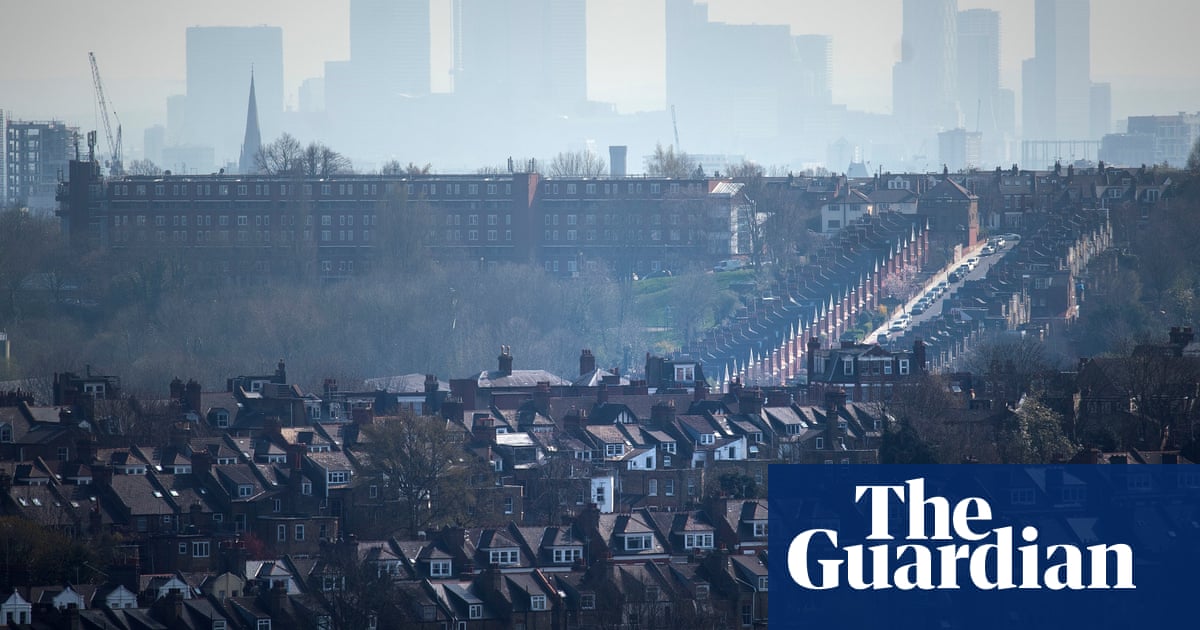
Air Pollution in the UK: A Public Health Crisis Costing £500m a Week
Every week, air pollution in the United Kingdom is responsible for the premature deaths of over 500 individuals and adds a staggering £500 million to the costs of ill health, NHS care, and lost productivity. These chilling statistics, provided by the Royal College of Physicians (RCP), illuminate a creeping threat that has infiltrated everyday life, impacting nearly every person in the nation. The air we breathe is increasingly becoming a toxic cocktail that jeopardizes our health, with 99% of the population exposed to unsafe levels of pollution, a report has revealed.
The Health Toll of Dirty Air
Air pollution is no longer just an environmental concern; it now poses as a significant public health crisis that demands immediate attention. According to the comprehensive RCP report, the repercussions of poor air quality extend far beyond respiratory issues. It can harm nearly every organ in the body, contributing to ailments ranging from cancer and heart disease to mental health disorders and cognitive decline.
Dr. Emily Highcroft, a leading epidemiologist, stated, “We’re seeing clear evidence that even low levels of air pollutants can have lasting effects on human health. The impact on vulnerable populations, such as children and the elderly, is particularly alarming.”
The economic burden is equally daunting. A landmark study by the Health Economics Unit found that air pollution costs the UK economy an estimated £27 billion annually, a figure that, when considering broader health outcomes like dementia, could rise as high as £50 billion.
Widespread Impacts on Society
- Costs to NHS care: £500 million weekly
- Preventable deaths: 30,000 annually
- Life expectancy reduction: 1.8 years on average
- Increased rates of asthma and respiratory illnesses in children
Chronic Illness and Mortality
Health experts warn that air pollution should be viewed as a silent killer, leading to chronic illnesses that diminish life expectancy. Prof. Chris Whitty, England’s Chief Medical Officer, noted in the RCP report, “Air pollution remains the most important environmental threat to health, with impacts throughout the life course.” He emphasized the need for immediate governmental action to mitigate this escalating public health crisis.
As new research emerges, the danger posed by polluted air is being re-evaluated. The RCP’s findings indicate that exposure to air pollutants not only diminishes life expectancy but also exacerbates existing health conditions. Recent studies show a direct correlation between air pollution and mental health issues, such as anxiety and depression. Dr. Amira Khan, a psychiatrist specializing in environmental health, remarked, “The cumulative effect of air pollution on mental well-being is profound. We must begin to consider air quality as a major public health intervention area.”
The Call for Action
The RCP report has galvanized healthcare professionals, activists, and patients to demand governmental change. This was exemplified by a recent march from Great Ormond Street Hospital to Downing Street, where healthcare advocates delivered a letter urging the government to commit to ambitious air quality targets.
In line with these demands, MPs plan to reintroduce legislation named “Ella’s Law,” aimed at establishing clean air as a human right in UK law. This bill is named after nine-year-old Ella Adoo-Kissi-Debrah, who tragically died from an asthma attack linked directly to air pollution. Her mother, Rosamund, has emerged as a potent advocate for change, insisting, “No parent should suffer as we have. We need clean air for our children; it’s a basic human right.”
Government Commitment and Community Response
While the government asserts its commitment to addressing air pollution, with statements pledging £575 million to improve local air quality, skepticism remains. Sarah Sleet, Chief Executive of Asthma and Lung UK, criticized the lack of substantial action, saying, “Despite the overwhelming evidence and public outcry, the government has yet to demonstrate the political will to tackle this crisis effectively.”
Meanwhile, local communities are taking action into their own hands. In cities like London, grassroots organizations are launching initiatives to raise awareness about the dangers of air pollution. “It’s about education and empowerment,” explained community leader Marcus Farrow. “People need to know what they’re breathing in and how it impacts their health, especially the younger generation.”
Personal Stories Illustrating the Crisis
Across the country, families are experiencing the consequences of air pollution firsthand. Take the case of Naomi Jones, a mother of two living near a busy roadway; her children regularly suffer from asthma attacks exacerbated by exhaust fumes. “It feels like we’re fighting against invisible enemies,” she said, visibly distressed. “Every day, I worry whether my children will be able to breathe normally.”
Such personal accounts are not isolated. Anecdotal reports from patients suffering from chronic respiratory conditions underscore the urgent need for change. The disparity in health outcomes faced by different communities is growing more pronounced, with lower-income areas often bearing the brunt of pollution through proximity to industrial zones or heavy traffic.
The U.K. stands at a critical juncture. Experts agree that air pollution is not merely an environmental issue but a matter of public health, requiring immediate, concerted action across all sectors of society. As understanding and awareness grow, there lies hope that real change can emerge. However, the question remains: will the urgency of this public health crisis translate into actionable policies? The health of future generations depends on it.
Source: www.theguardian.com

