


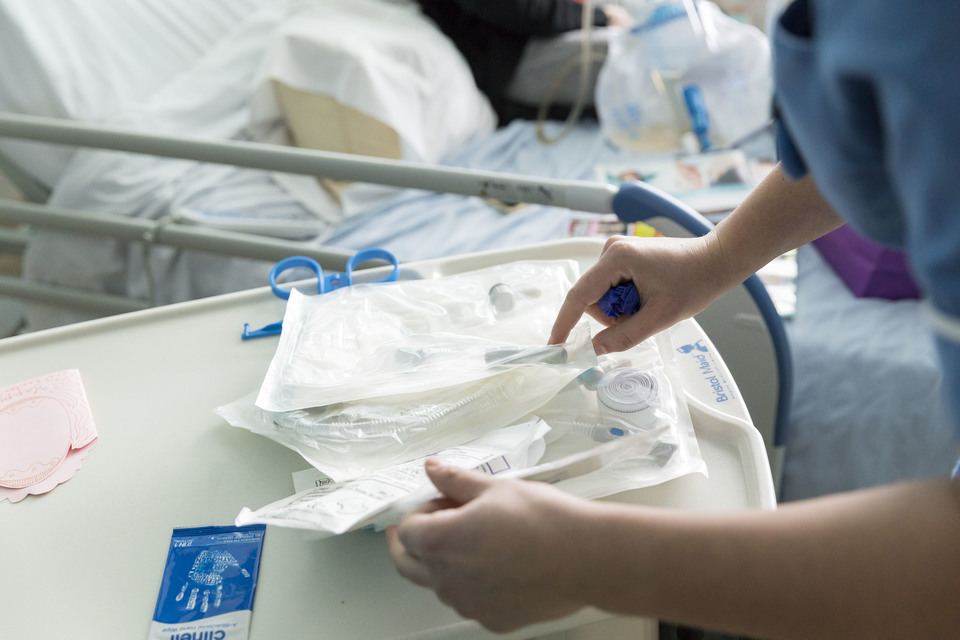
Move to scrap single-use MedTech as Health and Social Care Secretary launches waste blitz
Every year, tens of millions of single-use medical devices are discarded after just one use. Among them are expensive high-tech tools like harmonic shears, which cost more than £500 each but are disposed of 90% of the time. This alarming waste highlights a hidden crisis brewing within the National Health Service (NHS), galvanizing a new wave of environmental and economic reforms spearheaded by the government’s latest initiative: the Design for Life roadmap.
The Extent of the Waste Crisis
The NHS generates over 156,000 tonnes of clinical waste annually, a staggering figure that has prompted Health and Social Care Secretary Wes Streeting to declare, “The NHS is broken. It is the mission of this government to get it back on its feet, and we can’t afford a single penny going to waste.” Waste in healthcare not only strains finances but also contributes significantly to environmental degradation.
Each year, the NHS spends approximately £10 billion on medical technologies, with a substantial portion of these products being imported from vulnerable supply chains. This reliance poses risks to patient care while leading to immense financial losses exhibited in wastage. A recent report from the Sustainable Health Initiative revealed that up to 30% of medical products are disposed of after a single use, illustrating an urgent need for an overhaul in procurement practices.
A Shift Toward Sustainability
The newly launched Design for Life roadmap focuses on reducing this daunting waste by promoting the use of sustainable products. The strategy involves collaboration with MedTech companies to incentivize innovation and the creation of reusable devices. A circular economy approach aims to maximize the lifecycle of medical equipment, thereby minimizing environmental impacts while simultaneously cutting costs.
- In a trial at Mid Yorkshire Trust, swapping 330,000 disposable tourniquets for a reusable alternative saved £20,000 and cut plastic waste by nearly 0.75 metric tonnes.
- Northampton Hospitals NHS Trust’s ophthalmology department, by using reusable scissors, recovered £12,000 and eliminated 1,000 pairs of disposable ones from landfill.
- Leeds Teaching Hospitals Trust’s innovative use of remanufactured electrophysiology catheters not only saved them £76,610 but also generated over £22,923 by selling used devices.
According to Dr. Susan Whyte, a sustainability expert at the Institute for Health Innovation, “The Design for Life initiative is not merely a financial strategy but a holistic approach to rethinking how we think about waste in healthcare. It allows us to realign our values toward sustainability and ethical responsibility without sacrificing patient care.”
Government Support and Industry Collaboration
The UK government has committed to fostering a circular economy that could potentially add £75 billion to the economy by 2030, creating up to 500,000 highly skilled green jobs. The Circular Economy Taskforce plays a pivotal role in this initiative, aiming to cultivate an environment where sustainable practices prosper. The government seeks not only to slash wasting resources but also to uplift the domestic MedTech industry.
Baroness Gillian Merron, Health Minister, stated, “Design for Life doesn’t just deliver on the Health Mission; it also delivers on our Growth Mission to make the UK a life sciences superpower and our commitment to achieving net zero by 2045.” The roadmap outlines 30 proactive actions geared toward financial efficiency, environmental responsibility, and patient safety, notably in procuring medical devices.
Case Studies of Success
Examples abound from NHS trusts across the country that demonstrate how these efforts can translate into real savings. For instance, Leeds Teaching Hospitals Trust reported significantly cutting costs on surgical equipment through collaborations with MedTech firms that specialize in the safe remanufacturing of devices like harmonic shears. If replicated nationwide, these changes could herald a new era in NHS procurement, one where being environmentally conscious directly correlates with fiscal prudence.
A recent study estimated that implementing these sustainable practices could generate savings of up to £1 billion for the NHS over the next five years. “Innovating sustainable alternatives for medical devices is not just morally prudent; it is economically intelligent,” noted Dr. Alan Ritchie, an economist specializing in healthcare finance.
The Path Forward
The Design for Life programme represents a paradigm shift for the NHS, moving toward an integrated model of healthcare that aligns efficiency with sustainability. The government plans to provide hands-on training for NHS staff on the use of these sustainable products, ensuring the transition is not merely top-down but deeply embedded within the healthcare culture.
As the initiative unfolds, challenges remain. Transitioning from established purchasing models to these new guidelines will require tactical planning, significant investment, and ongoing dialogue among all stakeholders within the healthcare system.
The ramifications of this government-led initiative extend far beyond financial prudence; they position the UK as a leader in sustainable healthcare practices. It invites a broader conversation about the role of innovation in solving pressing global issues—a vital undertaking, considering that healthcare contributes significantly to the nation’s carbon footprint. By finally prioritizing sustainability in medical technologies, the government not only addresses an immediate health crisis but also sets the stage for a healthier planet.
Source: www.gov.uk

