


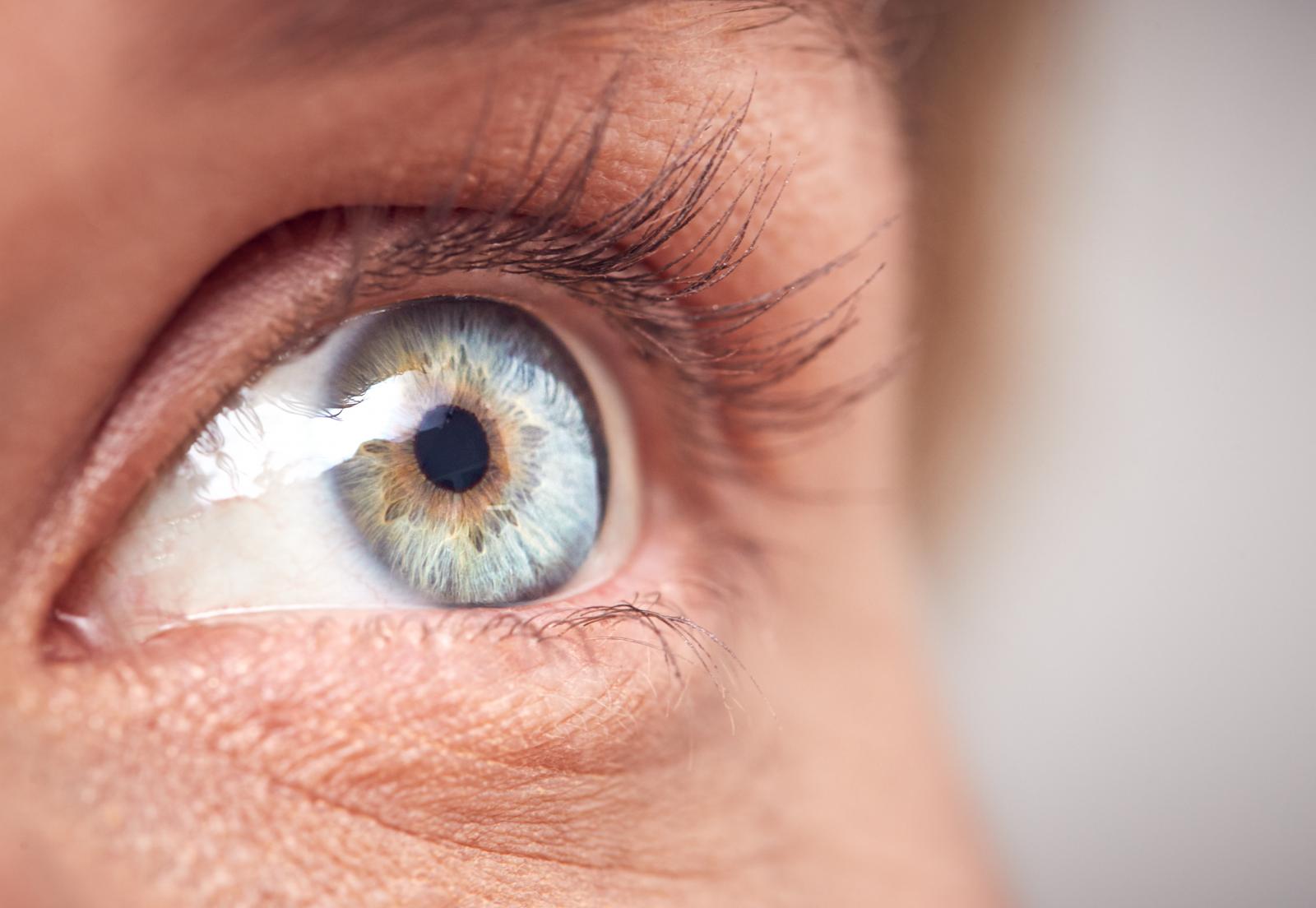
The Medicines and Healthcare products Regulatory Agency (MHRA) has approved teprotumumab (Tepezza), the first medicine licensed in the UK for adult patients with moderate to severe Thyroid Eye Disease (TED).
Amidst the bustle of a London clinic, Sarah Thompson—a graphic designer in her late thirties—sits nervously in a sterile waiting room. For years, she has battled the debilitating symptoms of Thyroid Eye Disease, a condition that turned her once vibrant face into a mask of discomfort and self-consciousness. Her left eye protrudes unnaturally, and double vision complicates even the simplest tasks. But today, she is here for her first infusion of Tepezza, the newly approved treatment that holds the promise of not just reduced symptoms, but a return to her former self.
Understanding Thyroid Eye Disease and Its Challenges
Thyroid Eye Disease (TED) is an autoimmune condition whereby the immune system mistakenly attacks the muscles and fat surrounding the eyes, leading to significant inflammation and swelling. This can result in severe discomfort, vision problems, and profound impacts on quality of life. According to Dr. Emily Parker, an ophthalmologist specializing in endocrine-related eye disorders, “Patients often describe TED not just as a physical affliction but as one that alters their identity. The psychological toll can be as debilitating as the physical symptoms.”
The Mechanism of Tepezza
Tepezza, or teprotumumab, marks a groundbreaking evolution in treatments for TED. This medication works by binding to the IGF-1R protein, effectively blocking its activation and signal pathways known to exacerbate the inflammation associated with the disease. In clinical trials, Tepezza has exhibited a notable efficacy rate, with a significant percentage of patients reporting reductions in eye protrusion and instances of double vision compared to placebo groups. “The targeted mechanism of Tepezza offers hope,” says Dr. James Corbett, a leading endocrinologist. “It represents a precision medicine approach that may change how we treat autoimmune conditions.”
Clinical Trials and Results
Tepezza underwent rigorous testing in four clinical trials, involving 287 patients aged 18 and older. Participants received a total of eight infusions every three weeks, bringing promising results. The data revealed that:
- Over 70% of participants showed a significant reduction in eye protrusion.
- About half reported improvement in double vision.
- Quality of life assessments improved markedly post-treatment.
These outcomes illustrate not just a physical transformation but emphasize the importance of fostering emotional wellbeing among patients. “The correlation between improved symptoms and heightened self-esteem cannot be overstated,” remarks Dr. Parker. “Patients are not just regaining eyesight—they’re reclaiming their lives.”
Side Effects and Considerations
Like all medications, Tepezza comes with its own set of potential side effects. Serious reactions may include elevated blood sugar levels, infusion-related reactions, and even deafness. Dr. Corbett acknowledges, “While the benefits of Tepezza are impressive, we must remain vigilant regarding adverse effects, particularly with serious conditions like inflammatory bowel disease.”
Common side effects affecting 1 in 10 or more patients also include:
- Headaches
- Diarrhoea
- Nausea
- Hair loss
- Muscle spasms
- Fatigue
Importantly, pregnant women are advised against using Tepezza due to potential risks to the unborn child, underlining that patient safety remains paramount as emphasized by Julian Beach, Interim Executive Director of Healthcare Quality at the MHRA. “We have stringent measures in place to ensure the safety and effectiveness of Tepezza,” he stated, further affirming, “Patient safety is our top priority.”
The Broader Impact on Patient Lives
The approval of Tepezza is groundbreaking, not just for its medical efficacy but for the broader implications it carries for patient care in the UK. In a healthcare landscape where treatments for rare conditions like TED often lag, Tepezza shines as a beacon of hope. “Many patients have lived in the shadows of their illnesses for far too long,” remarks Dr. Parker. “This drug signifies a monumental shift in how we approach thyroid eye disease—it’s not just a treatment; it’s a lifeline.”
As Sarah Thompson prepares for her infusion, her anticipation dances with hope and apprehension. Living with TED has felt isolating and exhausting, but now, as she finally receives a treatment that could alleviate her symptoms, she can envision a future free from the constraints of her condition. “I’m ready to get my life back,” she confides, highlighting a sentiment echoed by many in the TED community.
Tepezza is not merely a pharmaceutical triumph; it is a profound advancement in understanding and treating an often-overlooked disease. As the medical community continues to observe and learn from its efficacy and safety, the approval of Tepezza represents a monumental step toward improved patient outcomes and enriched lives—an achievement that should resonate throughout the domain of healthcare innovation.
Source: www.nationalhealthexecutive.com

