


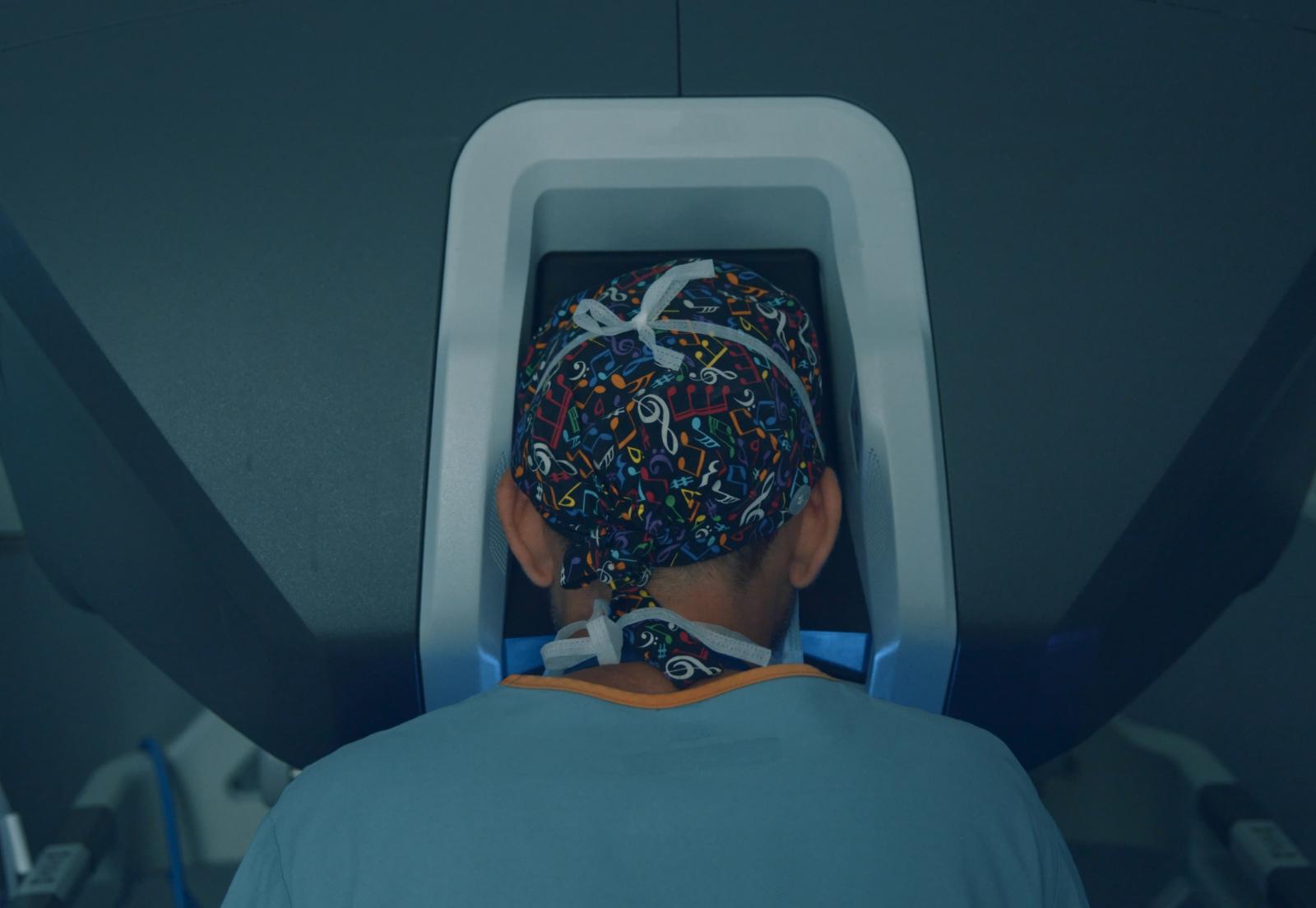
The National Institute for Health and Care Excellence is set to revolutionise patient care with the introduction of 11 robotic surgery systems, capable of movements more precise than the human hand.
On a crisp autumn morning in London, in a state-of-the-art operating theatre, an intricate ballet of precision unfolds. A surgeon, aided by a robotic system, performs a delicate hernia repair. The surgeon’s hands maneuver joysticks, but the true artistry lies in the robotic arms, executing movements that are more precise than any human hand could achieve. This scenario, once a futuristic dream, is now becoming a reality as the National Institute for Health and Care Excellence (NICE) prepares to integrate 11 advanced robotic surgery systems into NHS operations.
Revolutionising Surgical Care
NICE has granted conditional approval for these robotic systems, crucially allowing them to be deployed while further evidence is gathered over the next three years to confirm their cost-effectiveness through the Early Value Assessment process. The systems receive considerable traction among patient organisations, which highlight the incredible advantages of robotic surgery:
- Faster recovery times
- Shorter hospital stays
- Quicker return to work
- Less pain
- Reduced scarring
Of the approved systems, five are designated for soft tissue procedures, including hernia repairs, tumour removals, and gallbladder removals. Six systems will perform orthopaedic surgeries, notably full and partial knee replacements and hip replacements. With robotic systems priced between £500,000 and £1.5 million, they are typically found in specialist centres, performing hundreds of procedures annually.
Data-Driven Transformation
Dr. Anastasia Chalkidou, Programme Director of NICE’s HealthTech programme, emphasised the transformative potential of these innovations. “These innovative technologies have the potential to transform both soft tissue and orthopaedic surgical care in the NHS,” she stated. “The data gathered over the next three years will allow us to evaluate precisely how these technologies can improve patient care and ensure that NHS resources are directed toward interventions that deliver meaningful clinical benefits.”
Robotic surgery is not merely a technological fad; it embodies a paradigm shift in surgical methodologies. According to a study published in the Journal of Robotic Surgery, 80% of patients who underwent robotic procedures in the past year reported significant improvements in their overall wellbeing compared to those who had traditional surgeries.
Expanding Access and Addressing Inequality
As the rollout of these systems begins, the NICE committee has outlined critical considerations for the implementation of robotic surgery services. Equitable access across diverse regions is of utmost priority. Concerns remain regarding the slower adoption of these groundbreaking technologies in deprived areas, where resources and training may be lacking.
Dr. Patel, a consultant surgeon at a leading NHS hospital, highlighted the need for careful planning. “Robotic surgery can be a game-changer for many patients, but we must ensure communities across the UK can access such cutting-edge technology,” he said. “This means investing in training and resources.”
The approved technologies are specifically aimed at knee and hip replacements. Companies responsible for these systems must commit to generating evidence as per NICE’s evidence generation plans. They are also required to maintain regulatory approval, including adherence to NHS England’s Digital Technology Assessment Criteria (DTAC).
Future Prospects: A Data-Driven Evolution
Over the next three years, NICE will closely monitor the impact of these robotic systems through ongoing data collection and analysis. The committee aims to evaluate their effectiveness not only in clinical terms but also regarding overall patient satisfaction and economic feasibility. Each assessment will contribute to a larger framework that could set the stage for broader adoption among NHS providers.
According to latest figures, robotic-assisted surgery has soared in popularity, with colorectal procedures now constituting 25% of all robotic surgeries performed. The field of orthopaedics is witnessing the most rapid growth; the number of robot-assisted surgeries skyrocketed from approximately 300 in 2018/19 to over 4,000 in the last year alone.
The Promise of Precision
Robotic systems promise to transcend the limitations of conventional techniques through enhanced precision and 3D visualisation. This technological advancement may prove pivotal for patients who traditionally would not qualify for minimally invasive approaches due to specific health conditions. As Dr. Chalkidou noted, “Both applications could benefit patients who may not otherwise be candidates for such approaches.”
As healthcare navigates this transformative phase, the implications for patient care are profound. The ability of robotic surgery systems to facilitate smoother operations and quicker recoveries echoes a growing trend towards efficiency and efficacy in medicine. By focusing on delivering patient-centred care, the NHS aims to ensure that innovations lead not just to technological advancement but also to significant improvements in patient quality of life.
Ultimately, as the dust settles on initial implementation, the hope remains that robotic systems will not only fulfil their promise of enhanced surgical precision but also pave the way for a healthcare model that prioritises both innovation and equitable access for all.
Image Source: www.nationalhealthexecutive.com

