


AI-Enhanced Diagnosis: Transforming Melanoma Detection
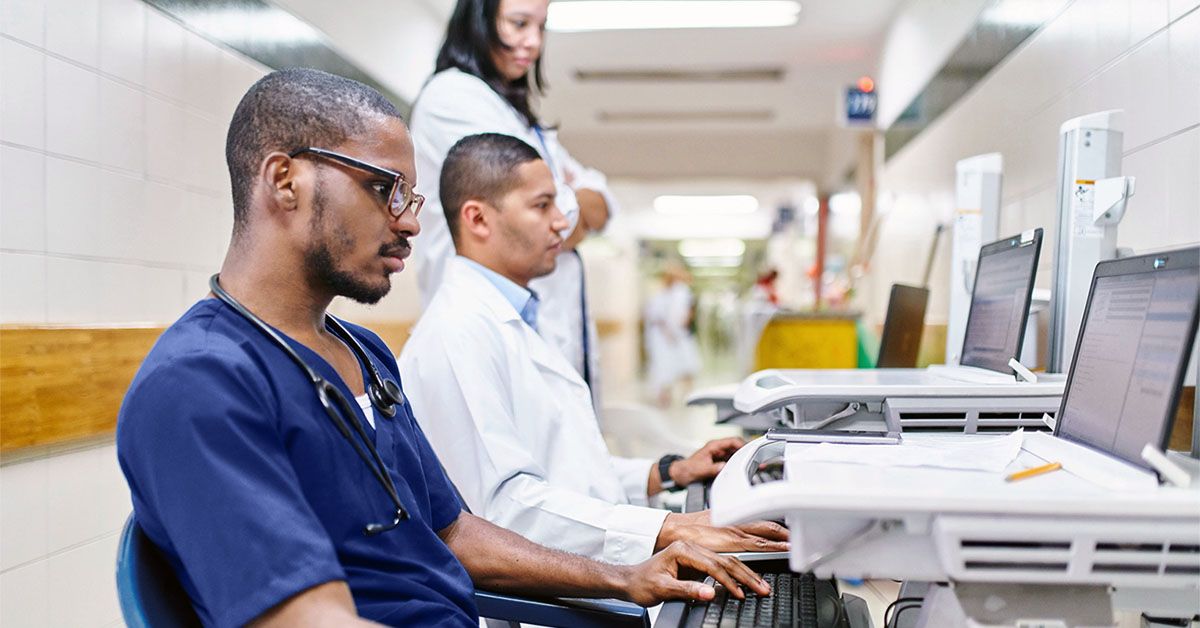
The sun sets over a bustling dermatology clinic in downtown Manhattan as Dr. Emily Novak stares intently at the dermatoscope in her hand. She has just examined a suspicious mole on a 45-year-old patient. The stakes are high; melanoma, though making up just 1% of skin cancers, accounts for the majority of skin cancer fatalities. Early diagnosis can radically impact survival rates, with a 94% chance of recovery if detected early. As she contemplates the next move, an AI tool integrated into her workstation quietly processes images, comparing them against a colossal database of skin lesions.
The Promise of Artificial Intelligence
Recent studies suggest that AI tools may significantly bolster dermatologists’ diagnostic capabilities. A noteworthy analysis published in JAMA Dermatology has raised eyebrows within the medical community, asserting that AI systems exhibit performance comparable to dermatologists in identifying melanoma. However, while the initial findings are promising, they come with limitations. Dr. Mark Harrison, lead researcher of the study, emphasizes the nuances in interpreting these results: “AI can match, and in some cases exceed, traditional diagnostic methods, but we must tread cautiously until we validate these tools comprehensively in real-world settings.”
Diagnostic Performance: AI vs. Dermatologists
The systematic review combined data from eleven prospective studies involving over 2,500 participants and 50 dermatologists, revealing some compelling statistics:
- Dermatologists: 78.6% sensitivity and 75.2% specificity
- AI Systems: 80.9% sensitivity and 75.6% specificity
- AI + Dermatologists: 91.9% sensitivity and 83.7% specificity
This data indicates that AI could serve not simply as an alternative but as an invaluable adjunct to dermatologists’ expertise. “It’s not about replacing human intervention; it’s about augmenting it,” states Dr. Claire Thompson, a prominent dermatology expert in Boston. “When used in conjunction with specialist knowledge, the accuracy in diagnosing melanoma can dramatically improve.”
Reducing Unnecessary Procedures
One of the most practical implications of AI’s involvement could be the reduction of unnecessary biopsies. Dermatologists often lean towards caution, opting for biopsies when uncertainty looms. In contrast, AI tools might yield a more refined assessment of benign lesions, enabling dermatologists to make more informed decisions.
“We risk overtreating patients when we perform unnecessary biopsies,” explains Dr. Jessica Lee, who has been integrating AI in her practice. “AI can complement our caution with a data-driven approach, ideally leading to fewer procedures and less stress for patients.”
The Current State of Evidence
While the existing research is compelling, it comes with caveats. The bulk of studies to date has focused primarily on lesions already suspected of melanoma, limiting their applicability to real-world settings. Dr. Harrison notes, “The current body of work carries a notable risk of bias, given that many studies do not represent the full spectrum of cases that dermatologists encounter daily.”
Moreover, many investigations have relied on simplified diagnostic frameworks that do not reflect the complex decision-making faced by clinicians in practice. “It’s like training a racehorse to run on a straight track, then expecting it to perform flawlessly in a chaotic race,” Dr. Lee cautions.
Looking Ahead: The Path to Integration
As the healthcare community contemplates the integration of AI in dermatology, the consensus is that further studies are imperative. Researchers advocate for large-scale, multicenter trials that not only validate AI systems but also assess their real-world clinical impact.
Dr. Novak reinforces this perspective: “Ideally, we want AI systems that not only recognize patterns in images but also adapt to various clinical nuances, aiding dermatologists rather than confining them. It’s a team effort.”
The Synergy of AI and Human Expertise
Importantly, many experts envision a dynamic partnership between human clinicians and AI tools. Rather than a competition, the goal is synergy—using AI to enhance diagnostic efficacy while retaining the human touch essential in patient care. According to Dr. Thompson, “The most successful model will likely involve layering AI on top of existing diagnostic methods, like dermoscopy, rather than attempting to replace any aspect of a clinician’s role.”
In this evolving landscape, the focus remains on how best to balance the capabilities of artificial intelligence with the irreplaceable intuition and experience that only a human clinician can provide. Though AI presents a promising frontier in melanoma detection, its journey through the rigorous gates of scientific validation is only just beginning.
In the heart of Manhattan, as Dr. Novak wraps up her day, she considers how technology can empower rather than replace her decision-making. With AI by her side, she feels a new wave of optimism. “The future of dermatology looks bright, and together with AI, we may just transform the narrative of skin cancer.”
Source: www.medicalnewstoday.com

