


Cold-Pressed Olive Oil vs. Refined Olive Oil: Unpacking the Nutritional Divide
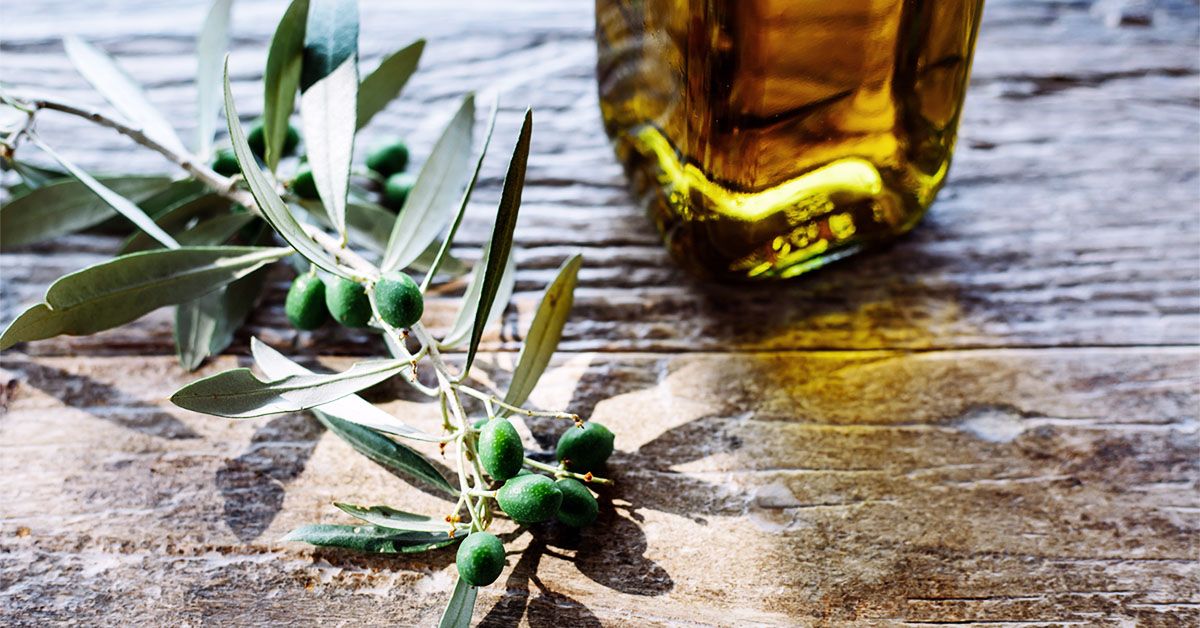
In a sun-drenched grove in southern Italy, a farmer plucks ripe olives from gnarled trees, preparing them for immediate pressing. This time-honored method, which keeps the fruits unadulterated by heat or chemicals, ensures that the golden liquid that emerges will be rich in nutrients. In stark contrast, the vast majority of olive oil consumed worldwide undergoes industrial refinement, a process that strips away many beneficial compounds, leaving behind a product that is significantly less nutritious. The differences between cold-pressed and refined olive oil are stark, affecting not only flavor but also health.
The Science of Processing
The heart of the olive oil debate rests on how each type is processed. “Cold-pressed extra-virgin or virgin olive oil (EVOO, VOO) is mechanically pressed from olives without heat or chemical refining,” explains Monique Richard, MS, RDN, LDN, a registered dietitian nutritionist and owner of Nutrition-In-Sight. “Therefore, it retains vital compounds such as polyphenols, antioxidants, and vitamins that support anti-inflammatory and neuroprotective effects.” In contrast, the refinement of regular olive oil often involves high heat, which can eliminate many of these beneficial characteristics.
Studies suggest that the abundant polyphenols found in cold-pressed olive oil play a crucial role in reducing oxidative stress and inflammation, supporting heart health and overall wellness. A 2022 review published in the Journal of Nutritional Science indicated that individuals who incorporated high-quality EVOO into their diets experienced significant drops in markers of inflammation. Meanwhile, those consuming refined olive oils did not report such benefits.
What to Look For in EVOO
When navigating the aisles of a grocery store, identifying quality EVOO can be a daunting task. Richard offers practical guidance for consumers:
- Look for labels stating “extra virgin” or “virgin,” often associated with oils imported from regions known for quality, such as Italy or Spain.
- Choose oils packaged in dark glass bottles or tins to safeguard against light degradation.
- Whenever available, check for a harvest or production date; fresher oil typically indicates better quality.
- Opt for single-origin or regionally labeled oils, which often signal a higher standard of production.
Additionally, avoid:
- Oils in clear plastic bottles, as they are more prone to spoilage.
- Oils stored near heat or direct light in stores, which can further degrade quality.
Integrating EVOO into Your Diet
It’s important to note that while EVOO is highly beneficial, it works best as part of a broader dietary pattern. Richard emphasizes, “Olive oil should be seen not as a standalone ‘superfood’ but as one component of a diversified diet enriched with vegetables, legumes, whole grains, and high-quality protein sources.”
Simplifying Olive Oil Use
Incorporating EVOO into your meals can be easy and enjoyable, enhancing flavors while providing health benefits. Richard suggests the following simple methods to seamlessly add olive oil into your diet:
- Mix EVOO with herbs and spices or balsamic vinaigrette for a delightful bread dipping oil or as a savory topping for popcorn.
- Utilize it as a base for salad dressings and vinaigrettes.
- Drizzle over roasted vegetables, as well as whole grains or fruits—an unexpected treat that can even elevate cakes and desserts.
- Add a splash to soups, hummus, or dips as a finishing oil, enhanced with a sprinkle of fresh or dried herbs.
- Use it for sautéing vegetables, garlic, or toasting nuts and seeds, bringing an additional layer of flavor to your dishes.
The Broader Implications of Choosing Quality
As consumers become more health-conscious, the demand for quality olive oil is rising, impacting market trends. A study conducted by the International Olive Council in 2023 reported a 35% increase in the consumption of high-quality EVOO in North America. With this surge, however, comes the risk of counterfeit products, making it all the more essential for consumers to be informed.
In recent years, both Italy and Spain have ramped up efforts to combat olive oil fraud, introducing stricter regulations and certification processes. This progress not only ensures that consumers receive the health benefits they expect but also supports local economies and sustainable farming practices.
Experts advise that understanding the differences between cold-pressed and refined olive oil can have profound impacts on nutrition and wellness. As awareness grows, consumers are encouraged to prioritize quality and integrate this healthy fat into their diets. By choosing the right oils, not only can one indulge in richer flavors, but one can also support a healthier lifestyle and contribute to more sustainable agricultural practices.
As families gather around meals and friends share recipes, the choice between cold-pressed and refined olive oil is more than just a culinary preference—it’s a step towards embracing a healthier, more vibrant lifestyle, supporting local producers, and making informed dietary decisions that reflect a commitment to well-being.
Source: www.medicalnewstoday.com

