


Groundbreaking Mental Health Trial for New Mothers Stalled by U.S. Aid Cuts
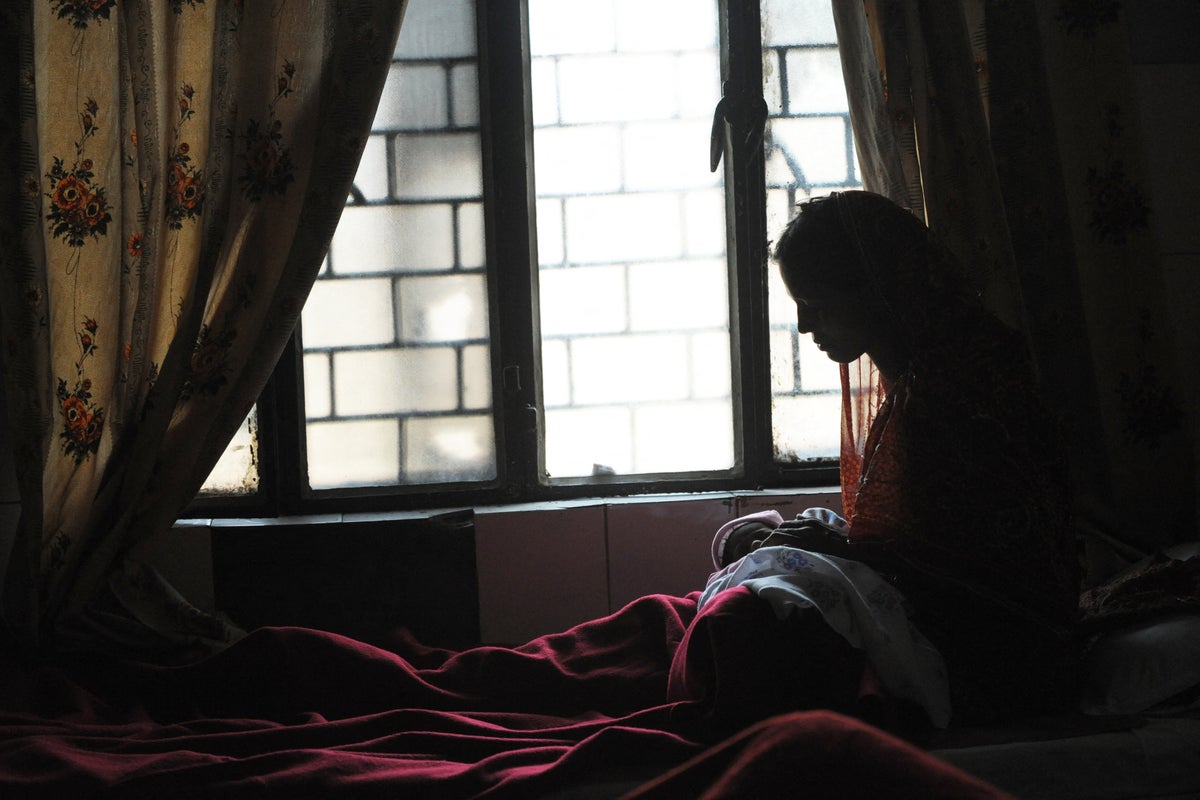
In the bustling heart of Delhi, Riya, a 28-year-old mother, cradles her newborn, silently battling feelings of isolation and despair. “I thought I was supposed to feel happy, but it’s hard when you have no one to talk to,” she whispers, a tear rolling down her cheek. Riya is not alone; millions of women in lower-income countries confront these same harrowing emotions, yet many lack access to vital mental health care during pregnancy and the crucial year after childbirth. This silent burden is compounded now, as a significant international mental health initiative aimed at aiding pregnant women like Riya faces an abrupt halt due to drastic cuts in U.S. foreign aid.
Confronting a Silent Epidemic
In 2021, a report commissioned by the United States Agency for International Development (USAID) highlighted the alarming absence of mental health services within global maternal and child health programming. The findings stated, “Mental health is conspicuously absent in interventions despite evidence of its intergenerational impact.” The report underscored the pressing need for mental health support, as one billion people worldwide currently live with mental illness—80% of whom reside in low- and middle-income countries.
Tragically, the contrast in focus between physical health interventions and mental health remains stark, particularly for women during and after pregnancy. Mental illnesses, including postpartum depression, are among the leading causes of maternal mortality globally, contributing to 20% of deaths in the year following childbirth. “Women who experience mental health issues around childbirth are not just at risk for themselves but also for their children, who face developmental challenges and health complications,” said Dr. Maya Kumari, a public health researcher who specializes in maternal mental health.
Impact of U.S. Aid Cuts
Just as preliminary findings from a pioneering study in India were beginning to show promise, the project faced an insurmountable setback when the Biden Administration had to contend with order cuts initiated during Donald Trump’s presidency. The funding freeze disrupted various ongoing health programs, particularly those focused on maternal mental health and gender equality.
Insiders revealed their heartbreak over the termination of this vital program. The initiative aimed at training midwives and healthcare workers in India to recognize and treat mental health issues, making it a model that could have benefited millions in other low- and middle-income nations. “It’s disheartening to see years of groundwork evaporate just as we were starting to understand the scalability and applicability of these solutions,” lamented Dr. Anjali Desai, a psychiatrist engaged with the trial.
Real-Life Implications
The halted research was intended to closely examine and implement screening techniques that could seamlessly integrate mental health care into routine maternal healthcare services. This would have been vital in addressing the high rates of undiagnosed mental illness among mothers, which often manifests as lethargy, anxiety, and even suicidal thoughts. According to a study by the Global Health Institute, approximately 30% of new mothers experience significant mental health challenges, yet fewer than 10% receive the care they need.
- Increased Risk of Complications: Women with untreated mental illnesses face a higher likelihood of developing complications such as hypertension and gestational diabetes.
- Intergenerational Impact: Children born to mothers with untreated mental health issues are more prone to cognitive impairments and early behavioral problems.
- Economic Burden: Lack of mental health resources leads to increased healthcare costs, impacting both families and national healthcare systems.
Vulnerable populations worldwide are unlikely to receive the necessary interventions for conditions that the USAID report deemed “life-threatening.” With such grim statistics, the necessity of targeted mental health services becomes increasingly urgent. As Dr. Kumari poignantly states, “The lives of mothers and children alike depend on recognizing that mental health is health; we cannot afford to neglect it any longer.”
The Path Forward
While the current situation paints a bleak picture, the experiences gleaned from the India trial could inform potential strategies for reintegration of mental health services in maternal healthcare, should funding be restored. Lessons learned from program failures and successes could help reshape policies and augment avenues for future international aid. “We must forge new partnerships,” Dr. Desai remarked, echoing the sentiments of countless experts in the field. “Our health systems need to evolve to ensure mental health is prioritized, not sidelined.”
As Riya lays her head back, lost in thoughts of motherhood intertwined with moments of despair, the world turns with it—a world that still needs to catch up to the evolving understanding of health that encompasses both body and mind. Each moment she struggles represents a call to action, a reminder of the work still needed to support women just like her.
Source: www.independent.co.uk

