


Everyday Foods Rich in Polyphenols: Heart Health Benefits Unveiled
Maria Garcia, a 57-year-old schoolteacher in Madrid, never thought her afternoon ritual of enjoying a handful of berries with her yogurt had broader implications for her health. Yet, as she heard about the latest findings on polyphenols and heart health, she had an epiphany. “I always believed in the power of natural foods, but now I understand that these small changes can have a significant impact over time,” she noted with a newfound enthusiasm for her dietary choices.
The Invisible Forces of Heart Health
Cardiovascular disease is the leading cause of death globally, prompting researchers to explore every avenue of preventive care. At the forefront of this investigation lies a class of compounds known as polyphenols, naturally occurring in many fruits, vegetables, and beverages. Dr. Ana Rodriguez-Mateos, a professor of human nutrition at King’s College London and senior author of a pivotal study published in BMC Medicine, highlights their significance: “Diet is one of the most crucial factors we can modify to help protect heart health.”
Rodriguez-Mateos and her team evaluated the long-term cardiovascular risk factors of a diverse group of participants, emphasizing the importance of measuring polyphenol metabolites in urine samples. “Our study found that those with higher levels of polyphenol metabolites showed reduced cardiovascular risk scores,” she explained, a finding that supports the hypothesis that a diet rich in these compounds could foster better heart health.
Understanding Polyphenols
Polyphenols are not just a dietary buzzword; they encompass a broad range of protective compounds found predominantly in plant-based foods. They come from various sources, including:
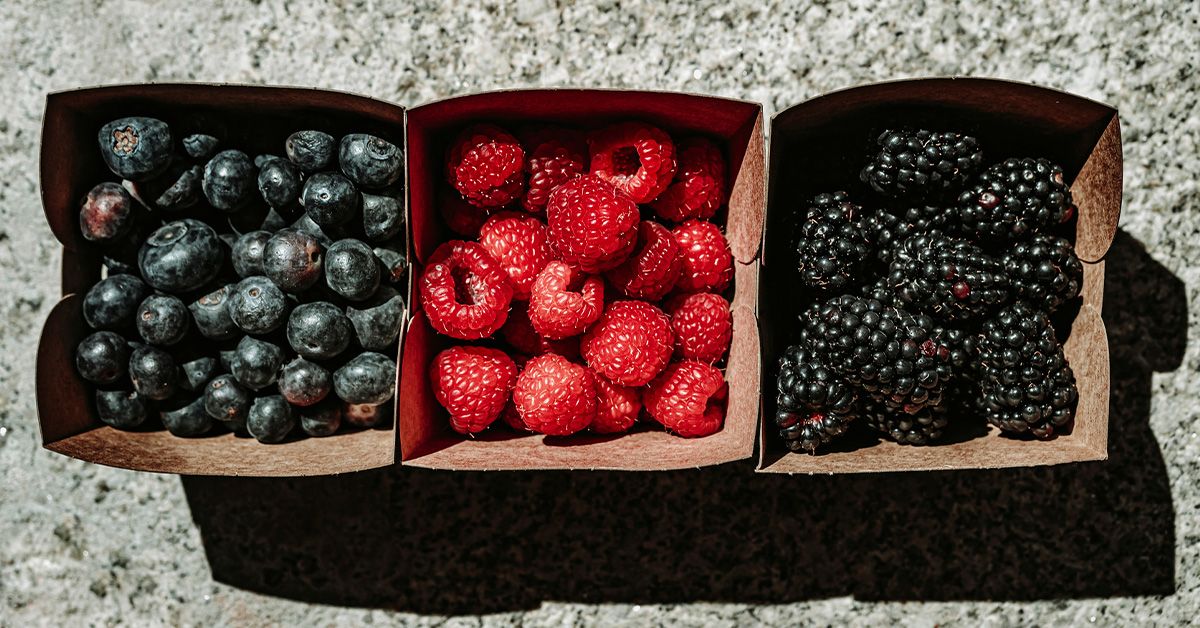
- Berries (blueberries, strawberries, raspberries)
- Coffee and green tea
- Dark chocolate and cocoa
- Olive oil and nuts
- Spices and herbs like turmeric and cinnamon
As per research, polyphenols boast anti-inflammatory and antioxidant properties, which, according to Dr. Cheng-Han Chen, an interventional cardiologist at MemorialCare Saddleback Medical Center, can significantly ameliorate blood vessel function. “These compounds can potentially improve hypertension, cholesterol levels, and insulin sensitivity,” Chen stated, emphasizing the urgency of this research given the escalating rates of heart disease.
The Long-Term Study Insights
In this 11-year observational study, researchers discovered a link between higher polyphenol intake and a slower progression of cardiovascular risk. Even though aging naturally increases heart disease risk, those consuming higher amounts of polyphenols tended to maintain more favorable heart health profiles as they grew older. Rodriguez-Mateos reiterated, “While we cannot definitively conclude that polyphenols cause these differences, these correlations certainly support the notion that a polyphenol-rich diet is beneficial in managing heart health.”
The study’s nuanced findings raise several questions-worthy of further research. “Future studies could explore whether specific polyphenol-rich foods, such as berries versus nuts, manifest different effects on heart health,” Dr. Chen suggested, reinforcing the need to validate these initial results with randomized controlled trials.
Simple Dietary Changes for Heart Health
For individuals looking to incorporate more polyphenols into their diets, registered dietitian nutritionist Monique Richard offers some practical suggestions: “You don’t need to overhaul your entire diet. Start with small, consistent changes that can yield significant benefits over time.” Here’s how:
- Add berries to your breakfast dishes.
- Incorporate spinach or peppers into your egg dishes.
- Toss beans into soups for added nutrition.
- Top salads with a sprinkle of nuts or seeds.
- Choose green or black tea over sugary beverages.
- Add herbs and spices like turmeric or oregano to meals.
- Grab fruits like apples or pomegranates as healthy snacks.
The versatility of polyphenol-rich foods makes integrating them into daily life both feasible and enjoyable. “Even a square of dark chocolate paired with nuts can be satisfying while supporting heart health,” Richard stated, illuminating an often-overlooked avenue toward better living.
A Glimpse Into the Future
The promising results of this study pave the way for more extensive research in the realm of polyphenols and heart health. Rodriguez-Mateos mentioned plans for a randomized controlled trial to rigorously assess the direct impact of polyphenol-rich foods on heart health markers. “As we delve deeper into understanding these compounds, we aim to develop new biomarker-based tools to measure dietary intake and their relation to long-term health,” she stated, highlighting the ambition to refine dietary recommendations for optimal heart health.
In an era where fast food and convenience often overshadow nutrition, the compelling research around polyphenols serves as a clarion call. Individuals like Maria Garcia are not just passive participants but active contributors to a more profound narrative on health management. As she continues her daily practice of consuming nature’s bounty, it becomes evident that the journey towards heart health starts with informed choices and simple, sustainable changes.
Source: www.medicalnewstoday.com

