


Where the Additional Money Would Come From: Drug Pricing and Investment in the UK
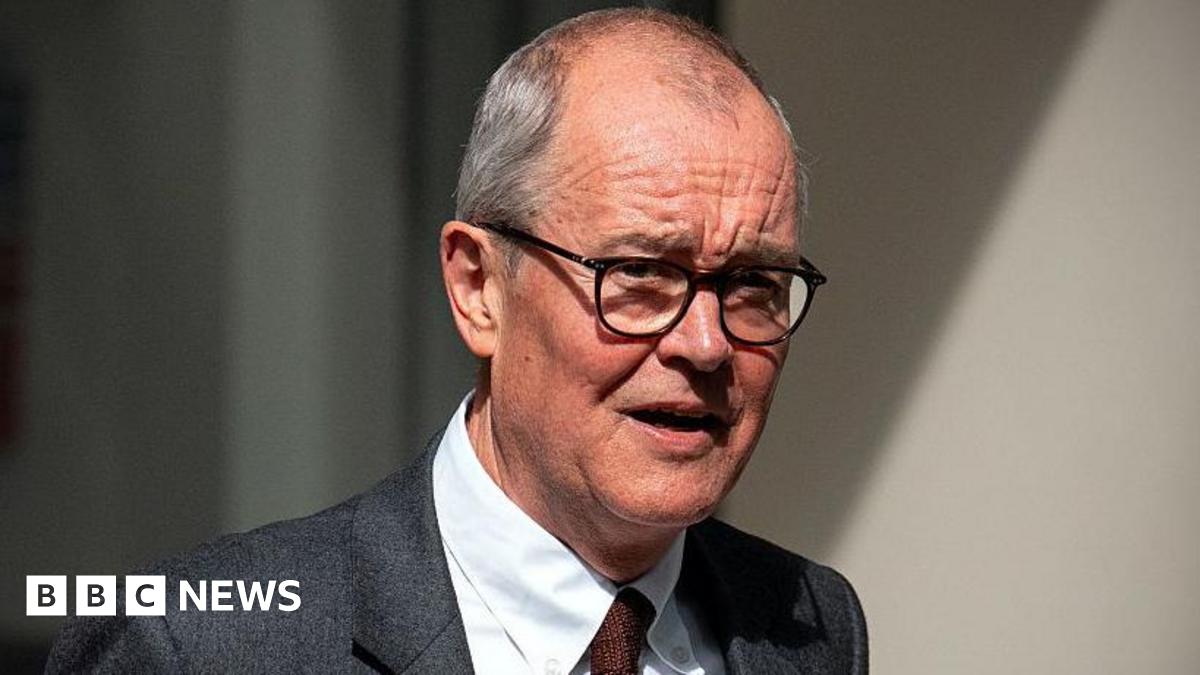
As the grand opening ceremony of Moderna’s new research centre in Oxfordshire unfolded, a sense of urgency filled the air. Amidst the backdrop of high-tech machinery poised to manufacture millions of flu and COVID-19 vaccines, Lord Vallance, the UK government’s chief scientific adviser, addressed the crowd with a critical question: “Where the additional money would come from to pay higher prices is a matter for the department of health and the Treasury to figure out.” This moment underscored not just a pivotal investment in public health but also a brewing storm around drug pricing that could shape the future of healthcare in the UK.
The Landscape of Pharmaceutical Investment in the UK
Moderna’s commitment of over £1 billion into UK research and development is a major win for the government as it seeks to bolster its pandemic resilience. This ten-year partnership promises new treatments, job creation, and significantly, a boost to the economy. Yet, as Vallance pointed out, the sustainability of such investments hinges on an ongoing dialogue about drug pricing—one that appears increasingly contentious.
Recently, the landscape has shifted, with giants like Merck and AstraZeneca announcing cuts or pauses in their investments. Merck’s decision to scrap a £1 billion investment and AstraZeneca’s £200 million delay in Cambridge stand in stark contrast to Moderna’s optimism. Such dynamics raise alarm bells about the UK’s attractiveness to pharmaceutical companies, and signify a potential crisis for healthcare funding.
The Counterpoints
Health Secretary Wes Streeting echoed this sentiment at the opening event, noting a “live conversation between government departments and the pharma industry” on drug pricing. This negotiation may serve as the linchpin in securing future investments, yet numerous challenges remain, highlighted by multiple pharmaceutical firms casting doubt on the UK’s viability as a market. According to Eli Lilly, the UK is “probably the worst country in Europe” for drug prices.
- **Skyrocketing Costs**: Novartis announced that the NHS could lose access to cutting-edge treatments due to spiraling expenses.
- **Investment Retraction**: Both Merck and AstraZeneca are pulling back on planned investments due to “systemic barriers.”
- **Declining Spending**: Over the last decade, UK spending on medicines has plummeted from 15% to 9% of the NHS budget, compared to 14-20% in other developed nations.
Expert Opinions: A Critical Assessment
Prof. Sarah Miles, an economist specializing in healthcare finance, points out a fundamental issue: “Investment in pharmaceutical R&D is inextricably linked to pricing policies. Until the UK develops a coherent strategy for drug pricing, these companies will weigh their options elsewhere.” A recent study published by the Institute of Health Economics revealed that countries with better reimbursement policies, like Germany and Switzerland, attract up to 30% more pharmaceutical investments compared to the UK.
“It’s a simple equation,” asserts Dr. Henry Whitaker, a public health analyst. “Encouraging investment without addressing the cost of drugs is like trying to fill a leaky bucket. The government and pharmaceutical companies must collaboratively create a sustainable pricing model.” He warns that failing to do so may lead not only to a decrease in new treatments but to detrimental public health outcomes—a view that resonates with many in the industry.
The Bigger Picture
In a broader context, President Trump’s administration has also pressured U.S. pharmaceutical companies to lower prices and enhance domestic investment. This transatlantic perspective draws attention to how drug pricing is not merely a local issue but rather a global market dynamics challenge. Pharmaceutical companies operate in an interconnected world, and the UK’s current trajectory may influence the global perception of its healthcare system.
The UK government must navigate complex challenges in its quest for a competitive pharmaceutical landscape. Discussions around drug pricing are not merely bureaucratic; they are directly tied to the lives of patients and the public’s health. As Lord Vallance aptly stated, “We must end up with a deal of some sort…because it’s in the interest of the economy, it’s in the interest of patients.”
Ultimately, the hope lies in building a pharmaceutical sector that not only thrives on international partnerships, like that of Moderna’s investment, but also guarantees affordable healthcare for its citizens. Redefining drug pricing policy in the UK could be the catalyst needed for a more resilient and equitable healthcare system. The stakes have never been higher, and how the government and pharmaceutical industry choose to collaborate will determine the future of healthcare in the UK.
Source: www.bbc.co.uk

